

The landscapes of Southern California, once defined by the fluid movement of migratory herds and periodic, low-intensity burns, have entered an era of unprecedented ecological instability. For millennia, the region’s hillsides were managed by the constant motion of animals responding to water, forage, and seasonal shifts. This natural cycle prevented the accumulation of massive fuel loads and maintained a mosaic of diverse vegetation. However, a century of fire suppression, rapid urban expansion, and the accelerating effects of climate change have replaced these rhythmic cycles with a structural condition of catastrophic wildfire. Today, as hotter temperatures and invasive grasses transform the terrain into a volatile powder keg, a traditional but sophisticated tool has reemerged as a cornerstone of California’s climate adaptation strategy: prescribed grazing.
The Shift from Ecological Cycles to Structural Volatility
Historically, Southern California’s Mediterranean climate—characterized by wet winters and long, arid summers—was regulated by variability. Vegetation did not simply accumulate; it was consumed by wildlife, trampled by herds, and occasionally cleared by fire. These interruptions prevented the uniformity of landscape that now fuels modern megafires. In the contemporary era, this balance has been disrupted. According to the National Oceanic and Atmospheric Administration (NOAA), the western United States has seen a dramatic increase in the severity and extent of wildfires due to a combination of rising temperatures and increased atmospheric dryness, often measured as vapor pressure deficit.
The consequence is a landscape where wildfire is no longer an occasional visitor but a defining feature of daily life. This "new normal" is characterized by insurance instability, repeated evacuations, and long-term closures of public lands. In the Wildland-Urban Interface (WUI), where development meets flammable vegetation, the risk has become existential. The accumulation of decades of "old growth" chaparral and the spread of highly flammable invasive annual grasses have created a feedback loop: climate change intensifies fire, and fire, by releasing massive amounts of stored carbon and stripping hillsides of stabilizing roots, intensifies climate vulnerability.
Prescribed Grazing: The "Combo Punch" of Sheep and Goats
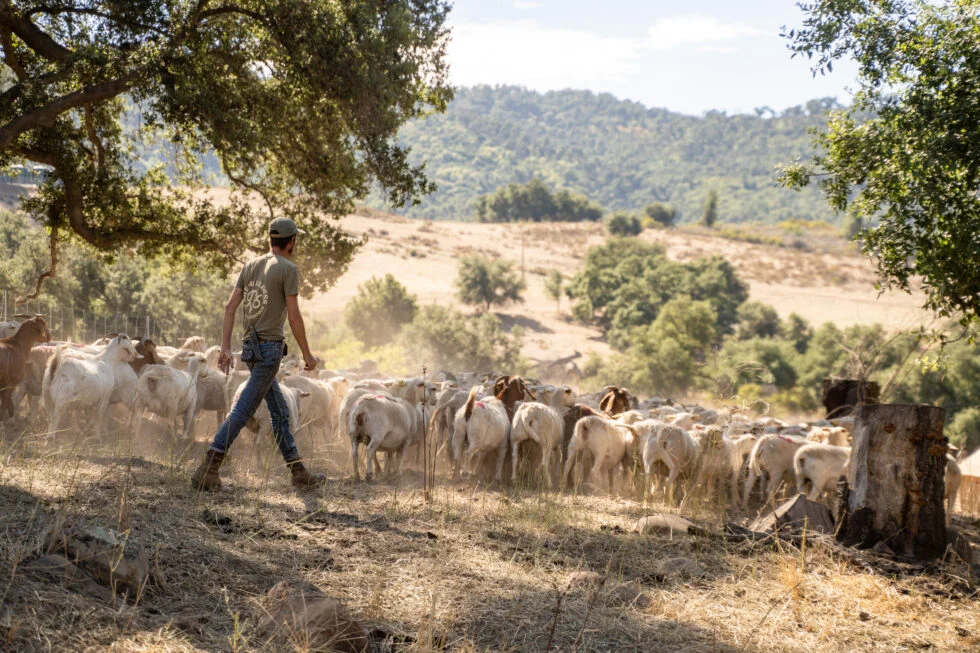
In response to this volatility, land managers and private practitioners are turning to prescribed grazing—a method of vegetation management that utilizes the biological instincts of livestock to reduce fuel loads. Unlike mechanical clearing, which can be ecologically disruptive and difficult to implement on steep terrain, grazing animals offer a precise and adaptable solution.
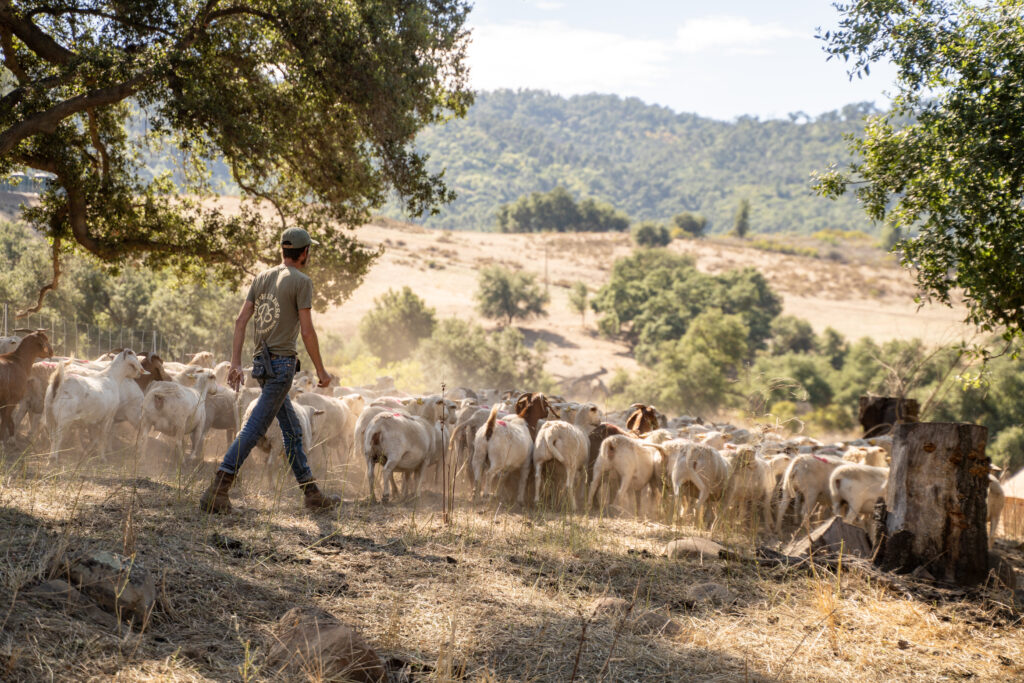
Cole Bush, the founder of Shepherdess Land and Livestock and the Grazing School of the West, describes this work as a "prescriptive approach" to land stewardship. The strategy utilizes the differing foraging habits of sheep and goats to achieve specific ecological outcomes:
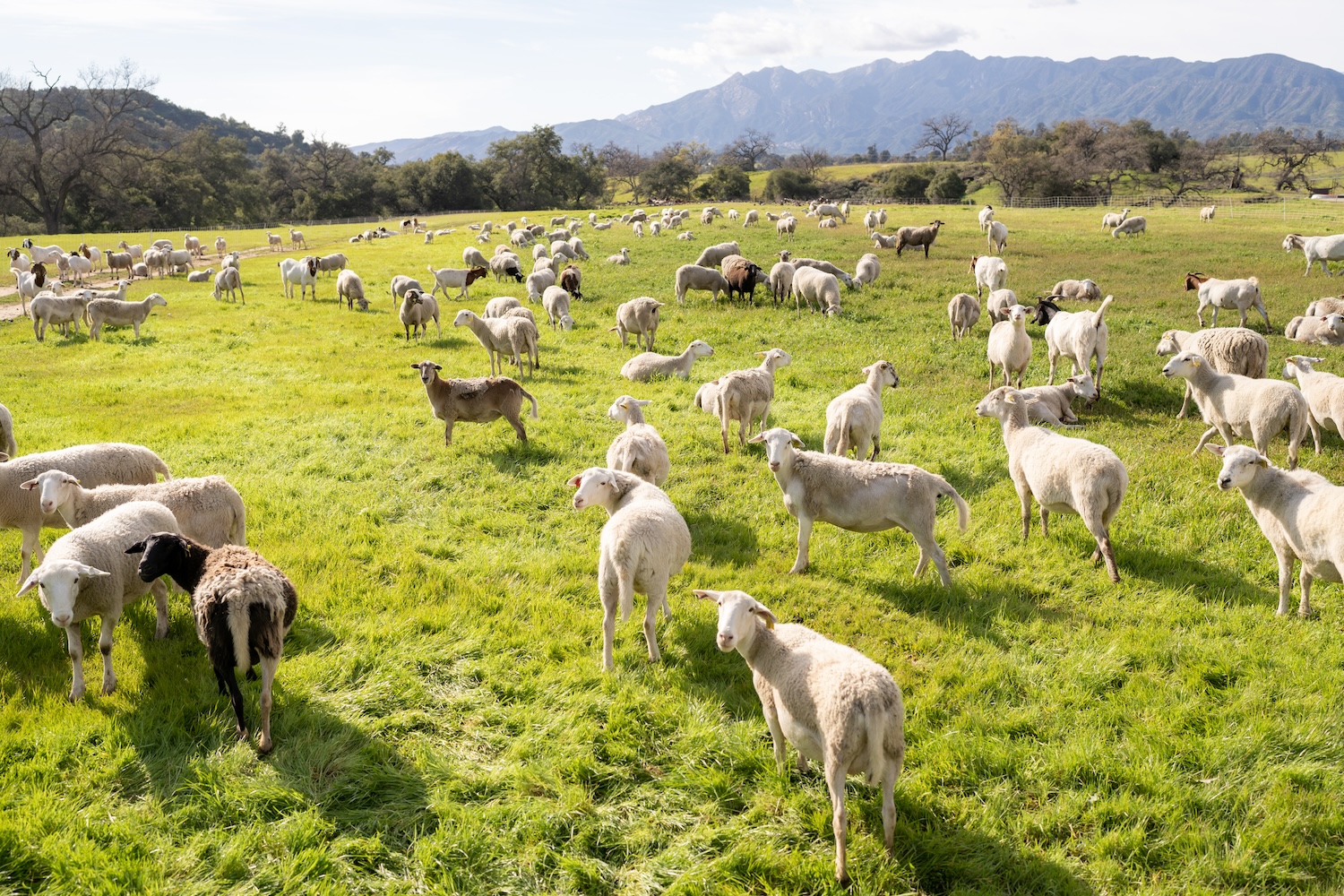
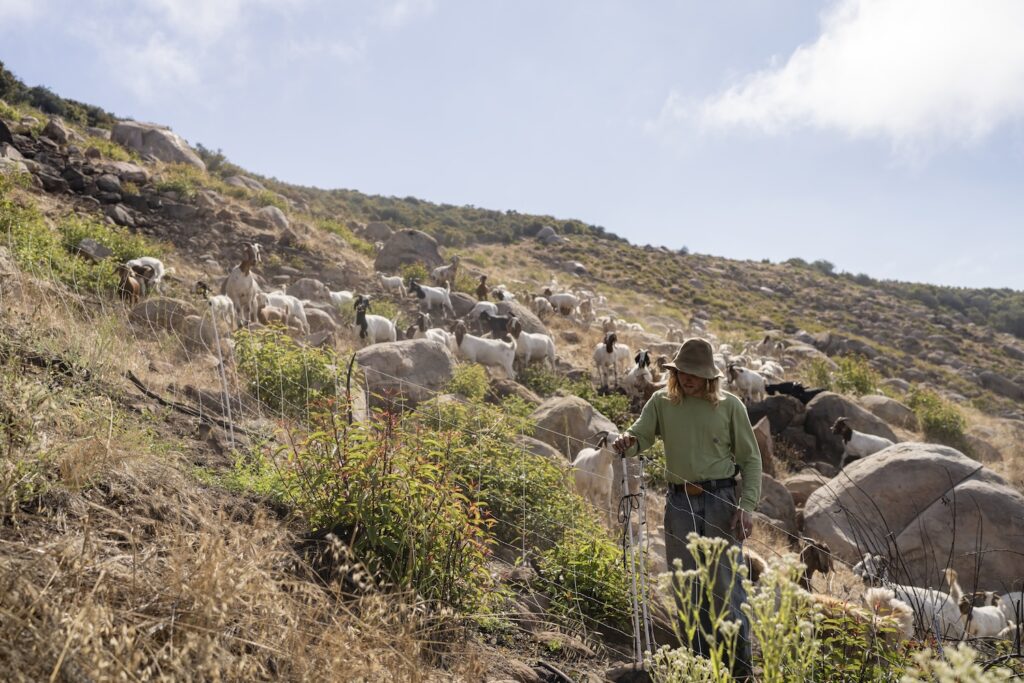
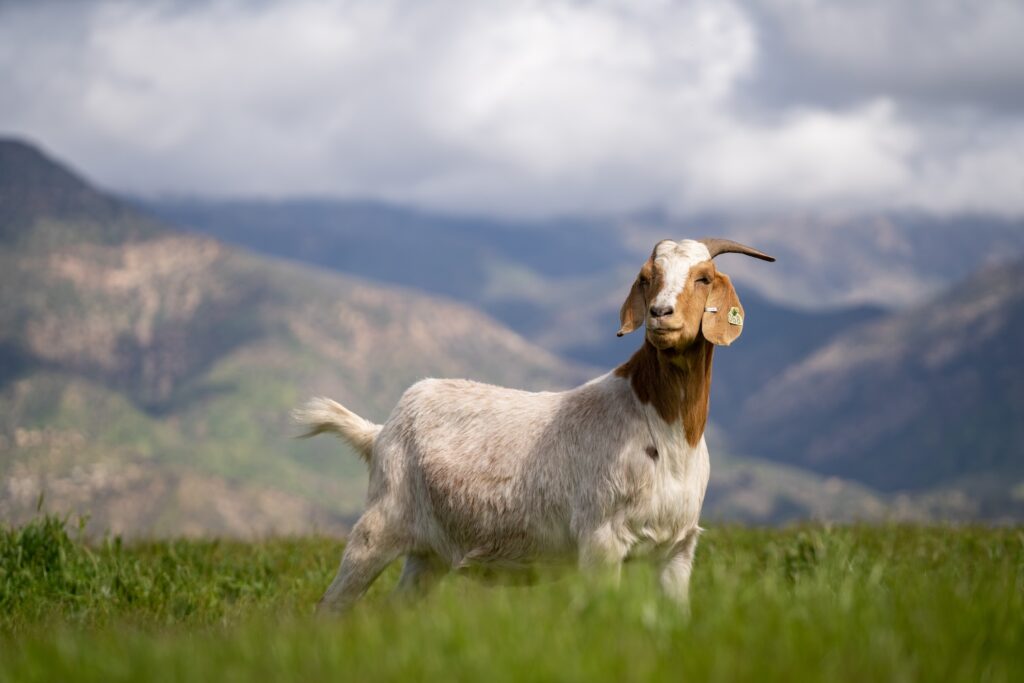
- Goats (Browsers): Naturally inclined to consume woody vegetation, shrubs, and low-hanging tree branches. They are highly effective at thinning thickets of chaparral and invasive brush that act as "ladder fuels," which allow ground fires to climb into the forest canopy.
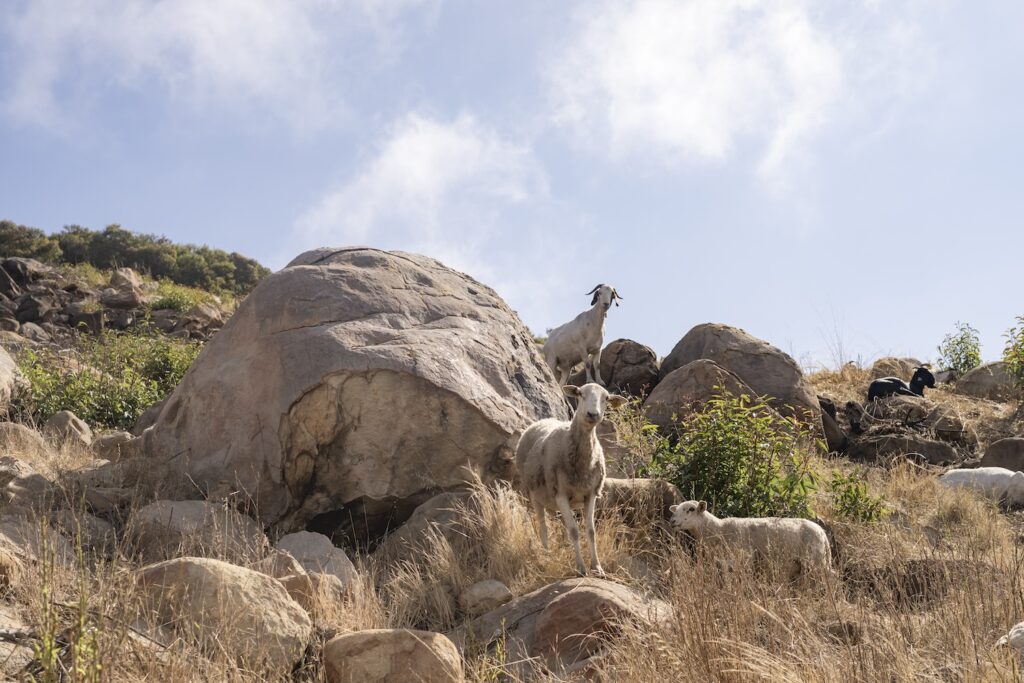
- Sheep (Grazers): Prefer grasses and lower-growing forage. They are utilized to clear the "fine fuels"—the dry, invasive grasses that ignite easily and allow fire to spread rapidly across open hillsides.
By deploying these species in tandem, shepherds can tailor their impact to the specific needs of a landscape. Before animals are introduced, practitioners evaluate factors such as soil compaction, erosion risk, wildlife corridors, and the presence of native vs. invasive species. The goal is not merely the removal of plants but the restoration of systemic health.
A Chronology of Conflict and Adaptation
The urgency of this work is underscored by a timeline of increasingly destructive events that have reshaped California’s fire policy and public consciousness:
- December 2017 – The Thomas Fire: Burning over 280,000 acres in Ventura and Santa Barbara counties, this event served as a wake-up call for the Ojai Valley. It demonstrated that even regions with long histories of fire were unprepared for the scale of modern megafires.
- January 2025 – The Los Angeles Basin Fires: A series of fast-moving blazes that tested the limits of urban fire response. During this period, the Ojai Herd and Horse Network was formed—a grassroots evacuation support system for livestock.
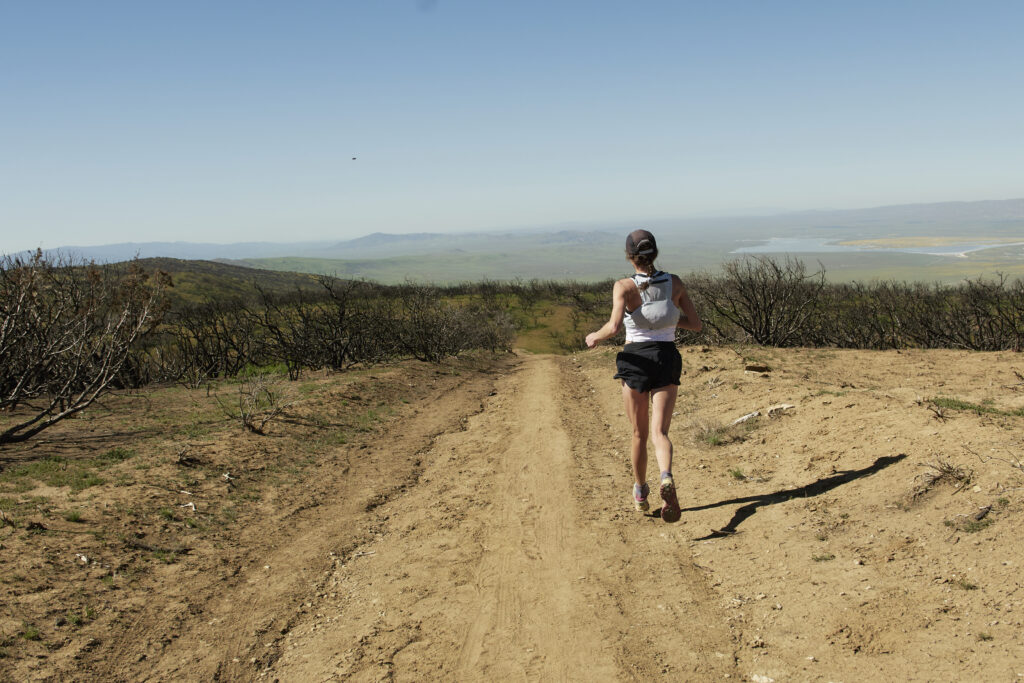
- March 2025 – The Madre Fire: The largest wildfire in California that year, it highlighted the long-term instability of blackened landscapes, leading to massive erosion and habitat loss in the Carrizo Plain National Monument.
- May 2026 – The Sandy Fire: Occurring in Ventura County, this fire demonstrated the effectiveness of fire roads and strategic fuel breaks, while also showing the resilience of areas that had undergone targeted grazing in the previous seasons.
These events have forced a reorganization of California’s governance. Updated fire hazard maps and the withdrawal of major insurance providers from fire-prone regions have made wildfire adaptation a structural political issue. State regulations now increasingly emphasize "defensible space" and "home hardening," but regional resilience depends on larger-scale fuel reduction projects like those managed by grazing herds.
Crisis Response and the Modern Shepherd
The role of the shepherd in 21st-century California has evolved into a form of ecological activism. During the Kenneth Fire in the Agoura Hills, the specialized skills of shepherds proved vital during high-stress evacuations. When semi-feral sheep were stranded on steep, smoke-filled ridgelines, traditional emergency services were unable to intervene. Experienced shepherds, using subtle directional pressure and an understanding of herd psychology, were able to move the animals to safety without inciting a panic that would have led to disaster.
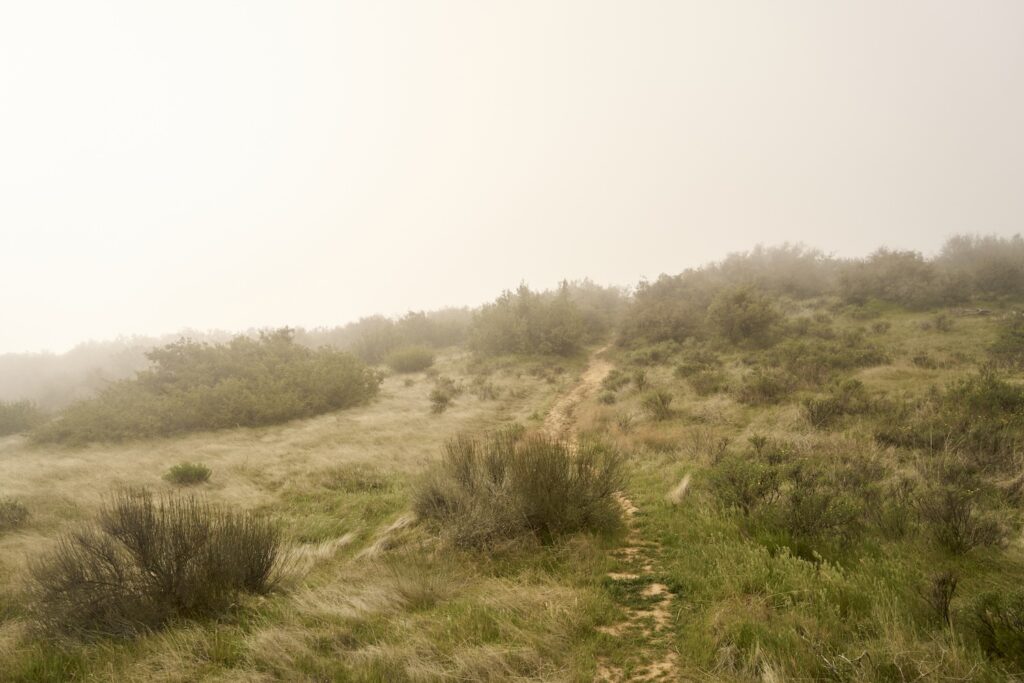
This "listening" to the land and the animals is what Cole Bush identifies as the core of the practice. The work is deeply physical and observational, requiring the shepherd to notice when the animals need rest and when the land has reached its grazing capacity. This rhythmic approach stands in stark contrast to the reactive, high-stress nature of modern fire suppression.
The Intersection of Recreation and Stewardship
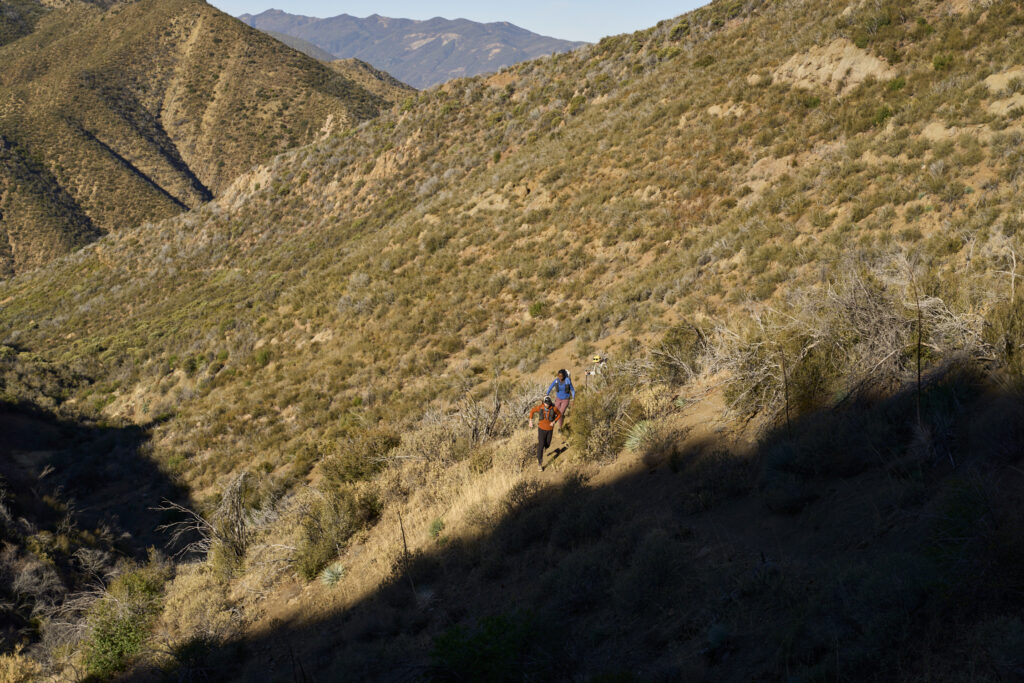
Southern California’s public lands—including the Santa Monica Mountains and the Los Padres National Forest—attract millions of visitors annually. For trail runners, hikers, and cyclists, the landscape has historically been viewed as a playground. However, the increasing frequency of trail closures and the sight of blackened canyons have begun to collapse the illusion that recreation is separate from land management.
Photographer and trail runner Liam Pickhardt, who has documented the changing Western landscape, notes that recreationists are often the first to notice subtle ecological shifts. "Trail runners interact with landscapes on a very intimate level," Pickhardt says. "That connection can really only be compared to the relationship that animals have with a landscape."
As trails remain closed for years following major burns, the outdoor community is being forced to reckon with its role in advocacy. The maintenance of the trails people run on now requires active, human-led intervention. The "leave it to nature" philosophy is being replaced by a more nuanced "delicate advocacy," where human management—such as prescribed grazing—is recognized as necessary to keep these spaces inhabitable and accessible.
Economic and Policy Implications
The shift toward biological fuel management also carries significant economic weight. Mechanical brush clearing and the application of chemical herbicides are not only ecologically taxing but can be prohibitively expensive in the rugged, inaccessible terrain that defines much of Ventura and Los Angeles counties. In contrast, grazing animals can move through utility corridors, suburban edges, and steep canyons with minimal infrastructure.
Municipalities are increasingly incorporating grazing into their annual budgets. Organizations like the Ojai Valley Fire Safe Council, led by figures such as Kalli O’Connor, are working to move public perception away from viewing wildfire as an external emergency and toward viewing it as a permanent condition requiring year-round management. This cultural adaptation includes:
- Incentivizing Grazing Leases: Lowering barriers for shepherds to access public and private lands for fuel reduction.
- Infrastructure Support: Building portable fencing and water systems to allow herds to move safely through the Wildland-Urban Interface.
- Public Education: Helping residents understand that a "grazed" hillside, while perhaps less aesthetically "wild" in the short term, is a significantly safer and more resilient ecosystem.
Conclusion: A Collective Story of Resilience
The future of Southern California is inextricably linked to the movement of fire and the movement of the herds that mitigate it. While climate change has created a "brittle" environment where the threat of ignition is constant, the reintroduction of grazing offers a path toward a more stable ecology.
The story of the Ojai Valley and its surrounding mountains is no longer one of individual survival, but of collective stewardship. As sheep and goats move through the dry brush of the canyons, they are doing more than just eating; they are pushing back invasive species, encouraging the growth of deep-rooted native plants, and creating the fuel breaks that will save homes and habitats in the next fire season. In the words of Cole Bush, the modern shepherd’s role is to "lead from the back," helping to guide a movement of ecological recovery that allows both the land and its human inhabitants to persist in an era of volatility. Landscapes are ultimately shaped by what moves through them, and in Southern California, the steady, rhythmic movement of the herd is becoming the region’s most vital defense.
