

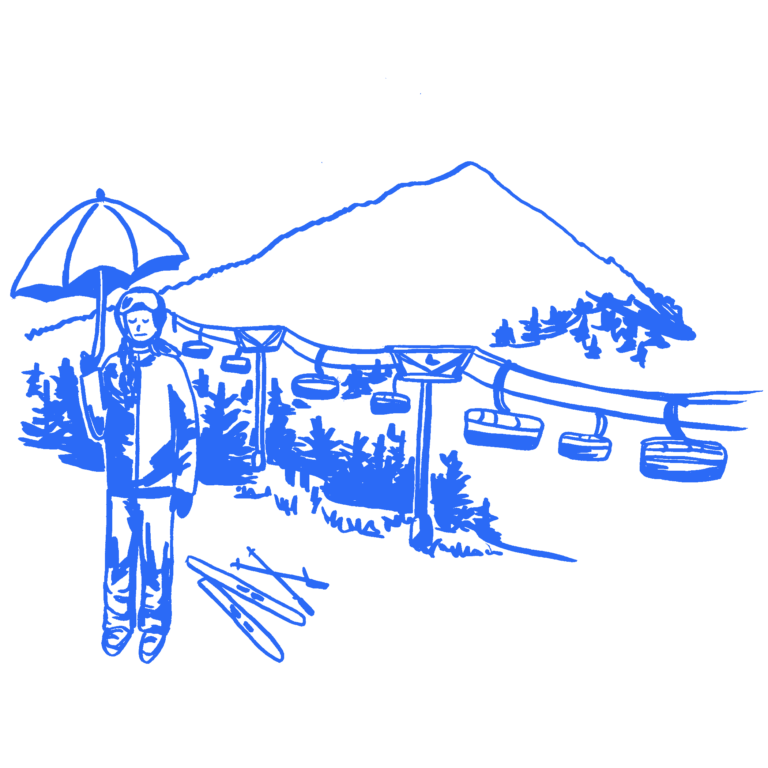
The intersection of outdoor recreation and environmental advocacy has reached a critical juncture as the physical realities of a warming planet begin to fundamentally alter the landscapes utilized by millions of winter sports enthusiasts. On cold mornings at major mountain passes such as Turnagain, Red Mountain, Snoqualmie, and Teton Pass, the paradox of modern recreation is visible in the idling lines of trucks burning fossil fuels to access a snowpack that is being diminished by those very emissions. The atmospheric threshold between a successful winter season and a catastrophic one is often measured by a single degree of temperature: at 31°F, precipitation falls as powder, sustaining a multibillion-dollar industry; at 32°F, it falls as rain, degrading the snowpack and threatening the ecological and economic stability of mountain communities.
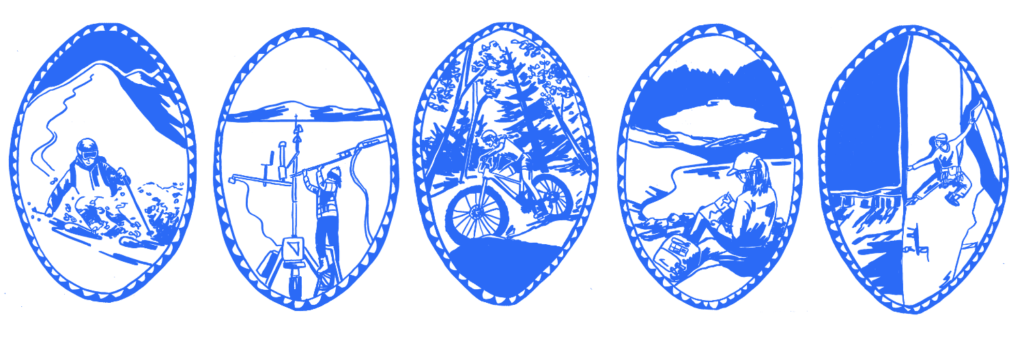
As climate change accelerates, the organization Protect Our Winters (POW) has emerged as a primary force in mobilizing the outdoor community to transition from individual concern to systemic political and economic advocacy. Founded in 2007 by professional snowboarder Jeremy Jones, the 501(c)(3) nonprofit was built on the premise that the leaders of the outdoor industry—athletes, scientists, and brands—possess a unique cultural leverage capable of influencing national policy. Over the past two decades, the organization has expanded its scope from a niche winter sports focus to a broad coalition representing runners, climbers, and cyclists, all of whom face the shared threat of wildfires, floods, and extreme heat.
Historical Evolution and the Shift to Systemic Advocacy
The inception of POW in 2007 marked a departure from traditional environmentalism, which often focused on individual lifestyle changes and carbon footprint reduction. While individual actions remain a component of environmental stewardship, the organization identified that real power resides in collective action aimed at systemic reform. The initial focus was narrow, centering on the immediate threat to snowboarding and skiing. However, the organization quickly realized that the "climate crisis" was not merely an environmental issue but a systemic economic and social challenge that required a more sophisticated political apparatus.
By 2010, the U.S. began to see a decoupling of economic growth from carbon emissions, yet the pace of change remained insufficient to meet the targets set by the scientific community. POW’s strategy evolved to include "movement building," a process of normalizing climate advocacy within the identity of the outdoor enthusiast. This shift is compared to historical changes in social norms, such as the adoption of helmets in skiing or the prohibition of smoking in public spaces. In 2016, the organization noted how political symbols, such as specific apparel, could signal a shift in cultural norms that eventually translates into political will. POW seeks to replicate this by making climate advocacy a compulsory element of the outdoor identity.
Strategic Pillars: Defend, Build, and Shift
The operational framework of Protect Our Winters is currently organized into three distinct pillars designed to address the lifecycle of carbon emissions and the transition to a renewable economy.
Defending Public Lands and Carbon Sinks
The first pillar focuses on the defense of public lands, which serve as both recreational playgrounds and vital carbon sinks. Outdoor recreation is currently a $1.3 trillion economy in the United States, providing a significant argument for conservation that resonates with decision-makers in Washington, D.C. POW has been active in opposing public land sell-offs and fossil fuel expansion in sensitive areas such as the Arctic National Wildlife Refuge and Bears Ears National Monument. By defending the science-based rules that protect these landscapes, the organization aims to prevent the release of "old carbon" stored in the ground while preserving the integrity of the natural environment.
Building Clean Energy Infrastructure
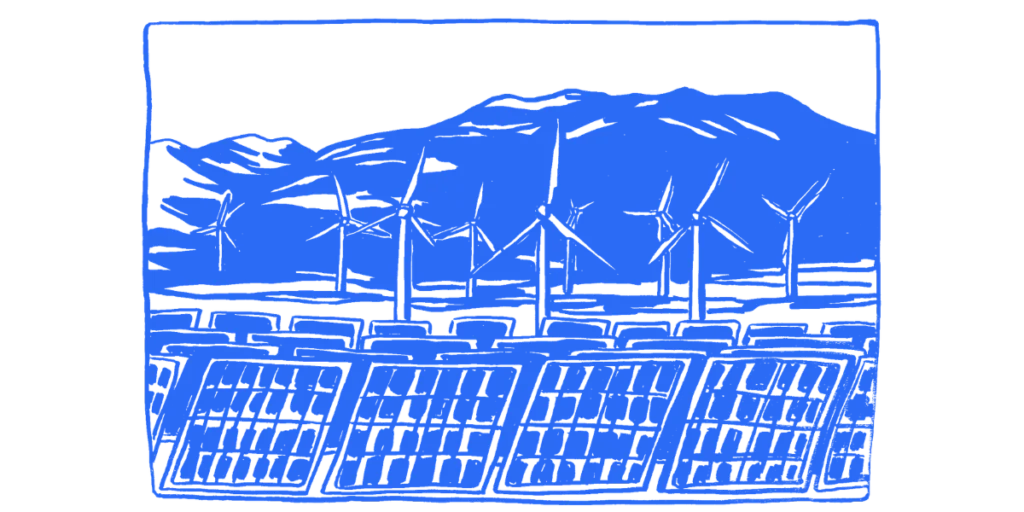
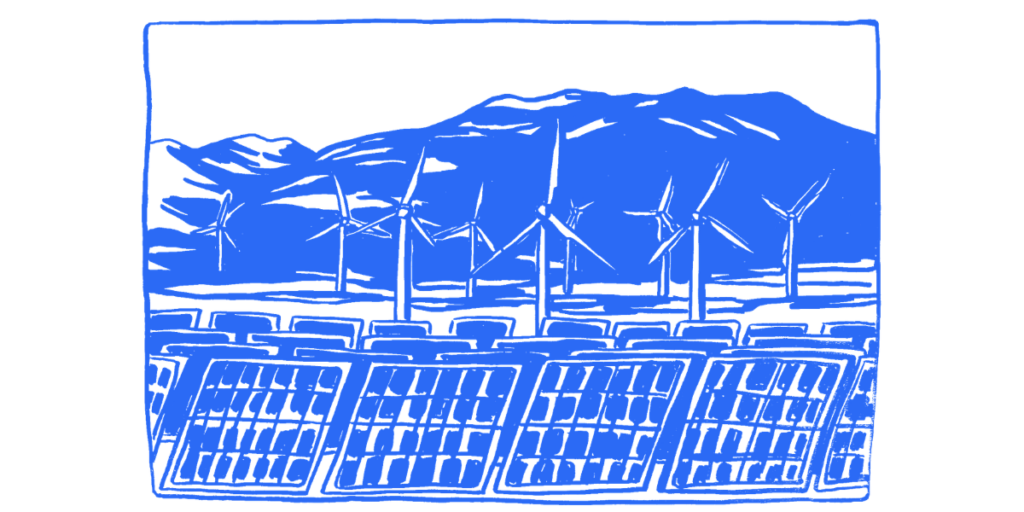
The second pillar involves the proactive support of renewable energy infrastructure. The data indicates a significant shift in the energy landscape: solar power is now 90% cheaper than it was fifteen years ago. In the last year, wind, solar, and battery storage accounted for 93% of all new electricity capacity added to the U.S. grid. POW’s clean energy campaign has directly contributed to the realization of 297 megawatts (MW) of renewable capacity. The organization has set a goal to reach 500 MW by the end of 2026 and a full gigawatt (GW) by 2028. This work is conducted through community-led initiatives in key geographies including Montana, Nevada, Colorado, and New England.

Shifting the Decision-Making Landscape
The third pillar addresses the political process. Despite the high stakes, a significant portion of the outdoor community has historically been underrepresented at the polls. In the most recent federal election cycle, POW’s non-partisan get-out-the-vote efforts reached approximately 7.5 million people. Furthermore, the organization facilitates direct engagement between professional athletes and members of Congress. In the summer of 2026, POW demonstrated its grassroots influence during a Montana Public Service Commission hearing on resource planning. Representatives from the organization traveled long distances to attend, eventually comprising nearly one-third of the participants in the room, ensuring that the voice of the outdoor community was heard in technical regulatory proceedings.
Data-Driven Impact and the Role of Trusted Messengers
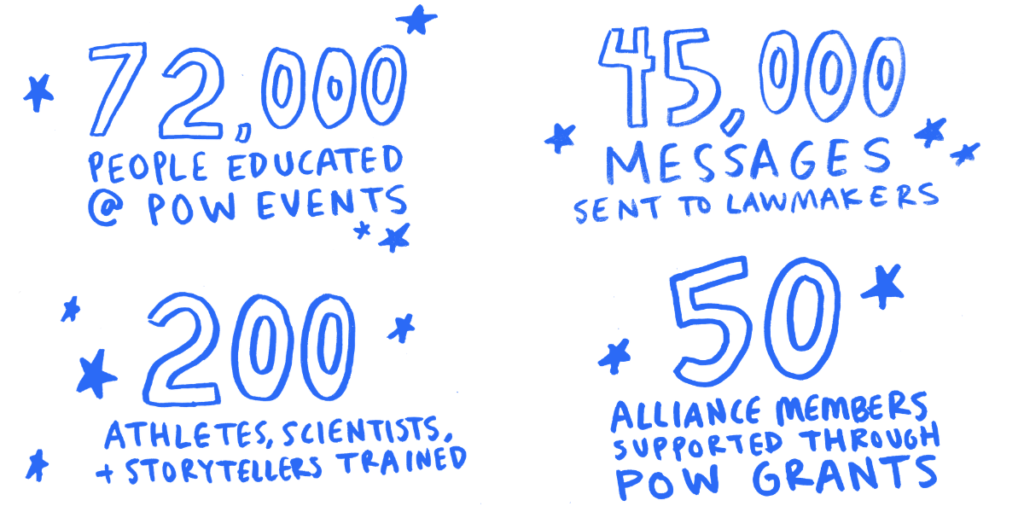
The effectiveness of POW’s model is supported by significant engagement metrics and social science. In the past year alone, the organization trained 200 athletes, scientists, and storytellers to act as "trusted messengers." These individuals led 50 independent climate projects and executed 600 specific climate actions, ranging from legislative advocacy to public education.

The reach of these efforts is extensive:
- Public Events: 72,000 people attended 150 in-person educational events.
- Media Presence: POW’s stories were viewed 36 million times and received over 1,500 mentions in mainstream news outlets.
- Direct Advocacy: Supporters sent more than 47,000 messages to elected officials, and 16,000 new advocates joined active campaigns.
Social science research indicates that information is most effectively transmitted through trusted peers rather than abstract institutions. By empowering Olympians, professional climbers, and local guides to speak on climate policy, POW bypasses traditional partisan barriers. This "norm-shifting" is designed to make climate awareness stylish and socially compulsory within the outdoor community, thereby creating the political will necessary for large-scale policy changes.
Economic Implications and the Cost of Inaction
The economic argument for protecting winters is grounded in the stability of the $1.3 trillion outdoor recreation industry. Climate change introduces volatility that threatens the viability of small mountain towns and large-scale resorts alike. When winters become shorter and more unpredictable, the "rain-on-snow" events mentioned previously do more than just ruin a day of skiing; they threaten the water tables, increase the risk of spring flooding, and shorten the window for winter tourism revenue.
While fossil fuel companies spent nearly $500 million on the last election cycle to maintain the status quo, POW operates on a fraction of that budget. However, the organization argues that its "social currency" and ability to mobilize "people power" provide a competitive advantage. The transition to a fossil-fuel-free world is viewed not as a matter of optimism, but as a technical and political "assignment" that must be completed to ensure the survival of the industry and the planet.

Analysis of the Transition to a New Normal
The long-term goal of the movement is to decouple the outdoor experience from carbon-intensive systems. This includes the eventual electrification of the "hungry line of trucks" at trailheads and the integration of renewable energy into the operations of ski resorts and gear manufacturing. POW acknowledges that the current system is imperfect and that the tools of modern life—from Ptex in skis to the fuel used for travel—are currently tied to the carbon economy. However, the organization maintains that individual imperfection should not be a barrier to systemic advocacy.
The current public sentiment aligns with these goals more closely than existing policy might suggest. Data shows that a large majority of Americans favor investment in renewable energy, and 76% want to understand how climate change impacts their cost of living. Only a small minority supports drilling in protected areas like the Arctic Refuge. POW’s role is to bridge the gap between this "quiet agreement" and "bold action" by providing the infrastructure for collective participation.
Conclusion and Future Outlook
As Protect Our Winters moves toward its 2028 goal of facilitating one gigawatt of clean energy, the focus remains on the "31 versus 32 degrees" reality. The organization’s growth from a small group of snowboarders to a national advocacy powerhouse reflects a broader shift in how the outdoor community views its responsibility to the environment.
The strategy for the coming years involves deepening grassroots chapters in critical regions such as Reno/Tahoe and Western Colorado, where local land-use decisions have national implications for carbon sequestration and energy policy. By focusing on movement building, advocacy, and the normalization of clean energy, POW aims to ensure that the future of the mountains remains defined by snow rather than rain. The "new normal" they seek to build is one where the passion for the outdoors is inextricably linked to the responsibility of protecting it, ensuring that the next generation inherits a world that is still "right-side-up."
