

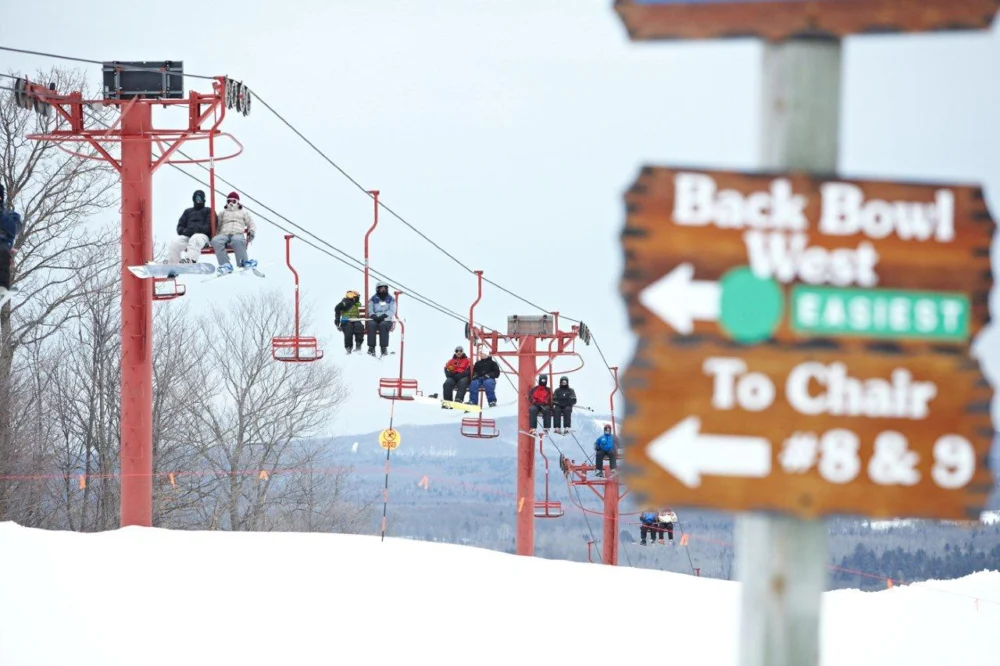
The Indy Pass has officially launched sales for its 2026-27 season, making waves across the North American and international ski industries by not only expanding its impressive network of partner resorts but also implementing a strategic price reduction for its flagship Indy+ Pass. This move reaffirms the pass’s core commitment to affordability and a return to a more authentic, less crowded skiing experience, a philosophy that has resonated deeply with a growing segment of the ski community. Public sales commenced this week, following an exclusive window for existing pass holders, with the organization emphasizing that sales will be carefully monitored and halted if deemed to exceed resort capacity, ensuring the preservation of the unique atmosphere its partners are known for.
A Strategic Price Reduction in a Shifting Market
In a ski industry often characterized by escalating prices and increasing consolidation, the Indy Pass’s decision to lower the cost of its premium offering stands out. For the upcoming 2026-27 season, the Indy+ Pass will be available at $399 for returning pass holders and $419 for new purchasers. This represents a significant decrease from the previous year’s price of $489, a move that analysts suggest is both a bold marketing strategy and a testament to the pass’s dedication to making skiing more accessible.
"Indy Pass has experienced remarkable growth and with that growth comes responsibility," stated Erik Mogensen, Indy Pass Director and a vocal champion of independent ski areas. "We must continue to grow our passholder base thoughtfully while respecting capacity limits and preserving the uncrowded atmosphere our partner resorts are known for." Mogensen’s comments underscore the delicate balance the organization aims to strike between expansion and maintaining the quality of the skier experience, a critical differentiator from the larger, often crowded, corporate-owned resorts.
The Indy+ Pass offers two days of skiing at each participating resort with no blackout dates, a key benefit for those seeking maximum flexibility. Additionally, pass holders receive 25 percent off additional lift tickets, along with various lodging discounts and other perks, enhancing the overall value proposition. This pricing strategy comes at a time when the broader economic climate continues to present challenges for many consumers, making such an affordability initiative particularly impactful. According to a recent industry report by SnowSports Industries America (SIA), the average single-day lift ticket price at major destination resorts has increased by an estimated 8-10% annually over the past five years, making multi-resort passes that offer significant savings increasingly attractive. The Indy Pass’s counter-cyclical pricing move is anticipated to draw considerable attention from budget-conscious skiers and snowboarders looking for premium experiences without the premium price tag.
Expanding Horizons: 300+ Resorts and a Growing Global Footprint
The Indy Pass network has continued its rapid expansion, now boasting a partnership of over 300 ski areas. This growth solidifies its position as a formidable alternative to the mega-passes, providing skiers with an unparalleled diversity of terrain and regional experiences. For the 2026-27 season, the pass has welcomed 16 new ski areas into its fold, further enriching its already extensive offerings.
Notably, about half of these new additions are Nordic areas, signaling a deliberate strategy to broaden the appeal of the pass beyond traditional downhill skiing. This inclusion caters to the growing popularity of cross-country skiing, snowshoeing, and other winter activities, allowing pass holders to explore different facets of snow sports. The move also aligns with a broader industry trend towards diversifying winter recreation options, ensuring independent resorts can attract a wider demographic and enhance their year-round economic viability.
Among the most exciting new downhill resorts are Levi, Finland; Murray Ski Ridge in British Columbia, Canada; and Les 7 Laux, France. The inclusion of these international destinations marks a significant step in the Indy Pass’s global expansion, offering North American skiers unique opportunities to explore European and Canadian slopes, while also attracting international visitors to the independent resorts of North America. Levi, a prominent resort in Finnish Lapland, is renowned for its reliable snow, extensive slopes, and vibrant Arctic atmosphere, often hosting World Cup alpine events. Les 7 Laux, nestled in the Belledonne mountain range of the French Alps, offers a vast and varied ski area popular with families and experienced skiers alike. Murray Ski Ridge, a hidden gem in B.C., provides access to authentic Canadian powder and rugged mountain experiences. These additions are expected to not only enhance the pass’s prestige but also introduce pass holders to diverse ski cultures and landscapes.
Indy Pass officials have indicated that more ski resorts are likely to be added to the network before the official start of the 2026-27 season, demonstrating the ongoing commitment to growth and providing maximum value to pass holders. The organization maintains a robust vetting process for potential partners, ensuring that new resorts align with the Indy Pass ethos of independent ownership, community focus, and a commitment to a quality, uncrowded experience. This meticulous selection process is crucial for preserving the brand identity that has made Indy Pass so successful. Furthermore, the pass maintains a generous refund policy, allowing buyers to take advantage of it if the total number of resort partners were to drop below 300, providing an important layer of consumer confidence.
Preserving the Core Experience: Capacity and Community
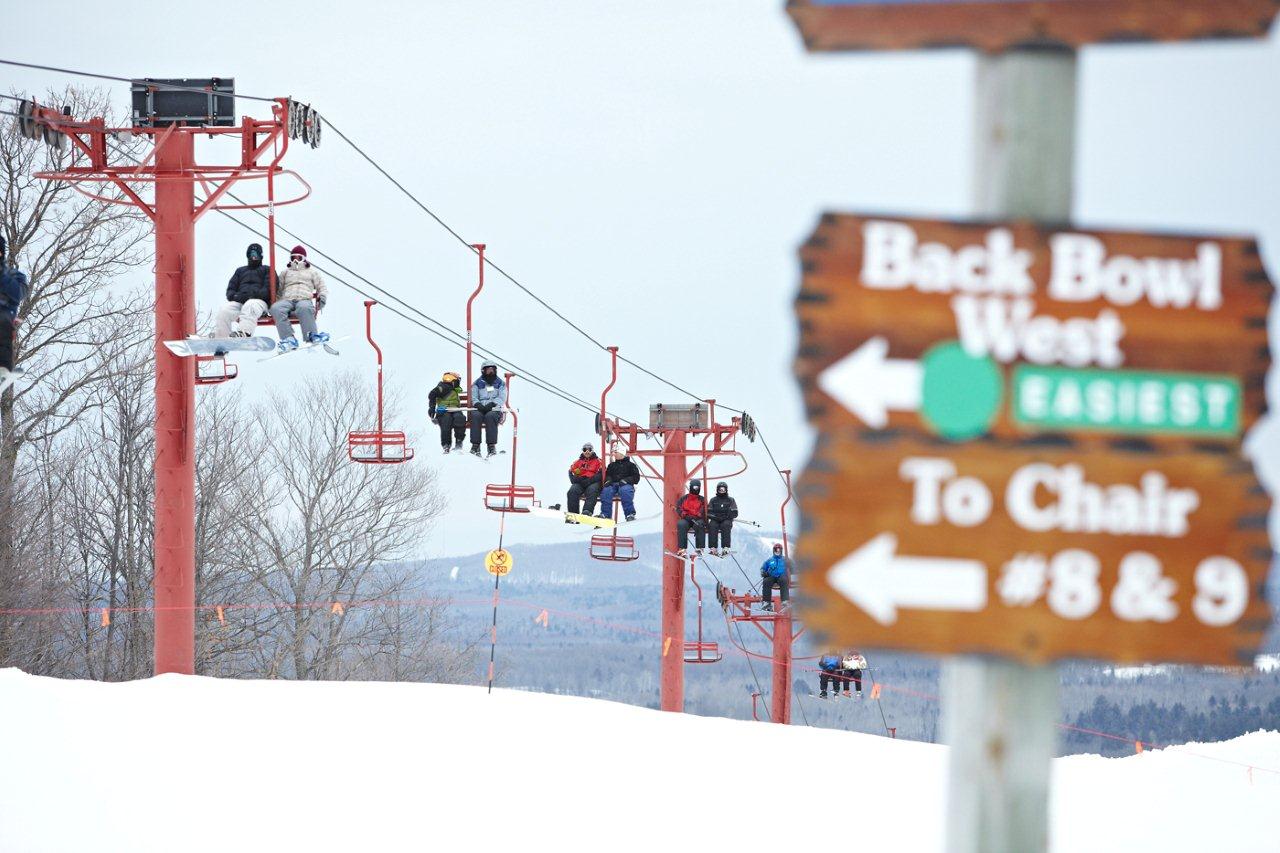
The concept of "fewer crowds, more access, and a return to skiing as it’s meant to be" is not merely a marketing slogan for the Indy Pass; it is a fundamental pillar of its operational strategy. Director Erik Mogensen’s emphasis on "responsible growth" highlights the organization’s awareness of the challenges that rapid expansion can bring, particularly regarding resort capacity and the quality of the skier experience.
To mitigate potential overcrowding, Indy Pass employs a sophisticated monitoring system for pass sales. This system allows the organization to track sales numbers in real-time and, crucially, to halt sales if projections indicate that resort capacities might be exceeded. This proactive approach stands in stark contrast to the models often employed by larger corporate passes, which have faced criticism for leading to unprecedented crowds at popular resorts, diminishing the experience for many skiers. The preservation of the uncrowded atmosphere is not just about comfort; it’s about safety, snow quality, and the overall enjoyment of the sport. Independent resorts, by their nature, often have a more intimate scale and local charm, which can be easily disrupted by excessive visitation.
The commitment to managing capacity also has broader implications for the sustainability of these independent resorts and the communities they serve. Over-tourism can strain local infrastructure, impact natural resources, and alter the character of mountain towns. By carefully managing pass sales, Indy Pass helps its partners maintain a sustainable level of visitation, supporting local economies without overwhelming them. This approach fosters a stronger, more symbiotic relationship between the pass, the resorts, and the local communities, ensuring that the benefits of increased tourism are balanced with the need for preservation and quality of life.
Fostering New Generations: The Success of Learn to Turn
A critical component of the Indy Pass’s mission extends beyond simply providing access for experienced skiers; it actively seeks to cultivate new enthusiasts. The "Learn to Turn" pass, which debuted in the preceding winter season, has proven to be an overwhelming success and remains available for purchase. This innovative program addresses one of the most significant barriers to entry for aspiring skiers: the initial cost and complexity of getting started.
The Learn to Turn pass offers an exceptional value proposition at just $189. It includes three comprehensive lessons, lift tickets for those lesson days, and equipment rentals, providing a complete package for newcomers. More than 40 ski areas have partnered with Indy Pass to offer this initiative, reflecting a shared commitment to growing the sport. Industry data from the National Ski Areas Association (NSAA) indicates a persistent challenge in attracting new participants to skiing and snowboarding, with an aging demographic often cited as a concern. Programs like Learn to Turn are vital for reversing this trend by making the initial foray into snow sports affordable and approachable.
While details for the 2026-27 season’s Learn to Turn pass have not yet been released, the success of its inaugural year suggests a strong likelihood of its continuation and potential expansion. Resort operators involved in the program have reported positive feedback, with many new participants expressing excitement and a desire to continue skiing beyond their initial lessons. "The Learn to Turn program has been instrumental in introducing a diverse group of individuals to the joy of skiing," commented Sarah Jensen, General Manager of a participating Midwest resort. "We’ve seen families come out together, and the accessibility of the program truly breaks down barriers. It’s an investment in the future of our sport." This initiative not only benefits individual new skiers but also provides a pipeline of future pass holders and loyal customers for independent resorts, contributing to the long-term health of the entire industry.
The Philosophy of Independence: A Counter-Narrative in Skiing
The emergence and rapid growth of the Indy Pass must be understood within the broader context of significant consolidation within the ski industry over the past two decades. The rise of corporate giants like Vail Resorts and Alterra Mountain Company, which own extensive portfolios of resorts and offer multi-resort passes such as the Epic Pass and Ikon Pass, has reshaped the landscape. While these mega-passes offer unparalleled access to world-renowned destinations, they have also contributed to concerns about homogenization, overcrowding, and the erosion of local character at many resorts.
In this environment, the Indy Pass has carved out a unique and compelling niche by championing independent ski areas. These resorts, often family-owned or community-focused, represent the diverse heritage and unique charm of skiing. They typically offer a more intimate, less commercialized experience, characterized by friendly staff, local food, and a strong sense of community. The Indy Pass acts as a collective platform, allowing these independent gems to compete effectively against the marketing power and scale of the larger corporations. It provides them with a unified marketing voice, a broader customer base, and a shared commitment to a distinct vision of skiing.
The appeal of independent skiing extends beyond just cost. Many skiers are actively seeking alternatives to crowded slopes, expensive on-mountain dining, and the feeling of being just one of many thousands. They yearn for the character of a local hill, the challenge of diverse terrain without the lift lines, and the genuine hospitality that often defines smaller operations. The Indy Pass taps into this desire, offering a curated collection of resorts that embody these values. It represents a form of "ski tourism with a conscience," where supporting independent businesses and local economies is intrinsically linked to enjoying a superior on-snow experience.
Economic Lifeline for Local Gems
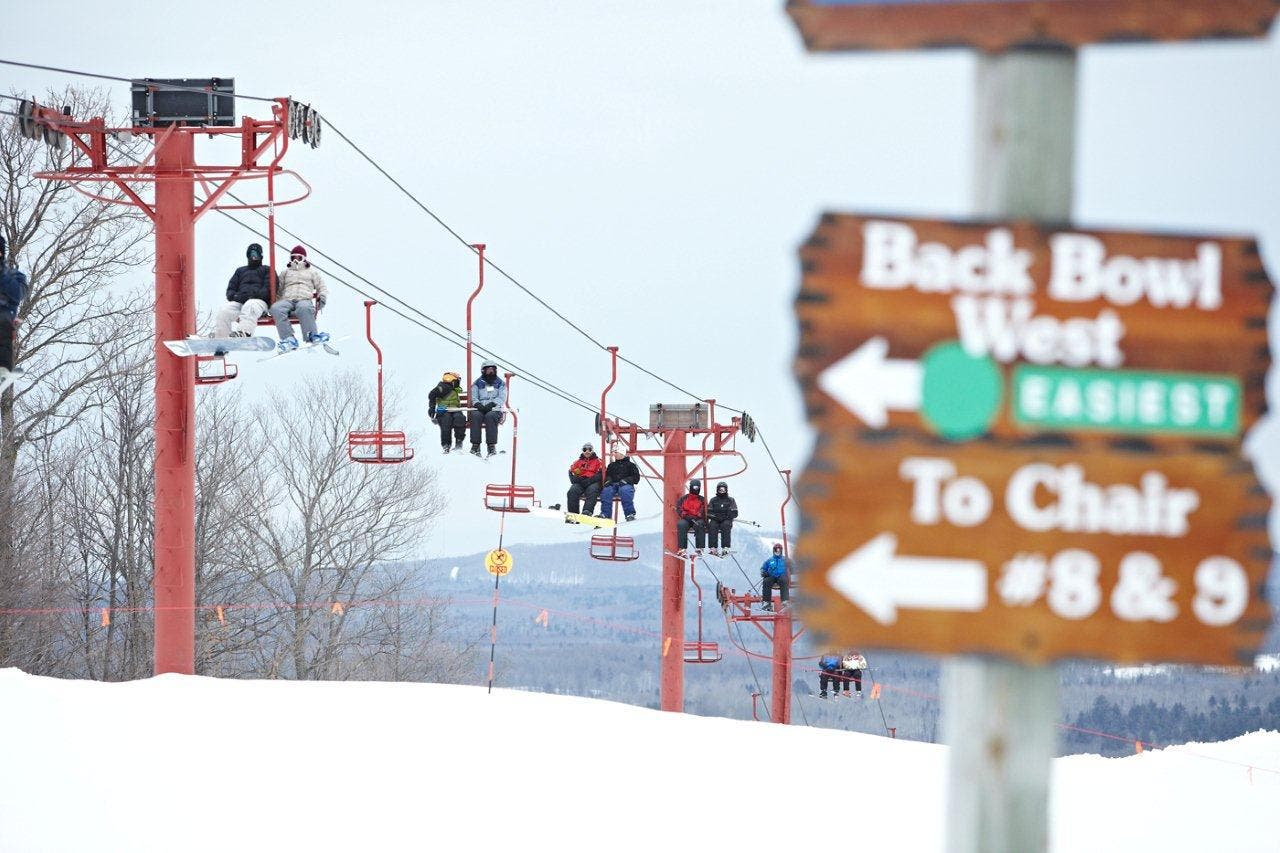
Beyond the philosophical appeal, the Indy Pass serves as a vital economic lifeline for many independent ski areas. These resorts often operate on tighter margins, face stiff competition, and are particularly vulnerable to fluctuating weather patterns and economic downturns. By joining the Indy Pass network, they gain access to a national and now international marketing platform that would be unattainable individually. The increased visitation generated by pass holders translates directly into revenue streams for lift tickets, but also for ski schools, rental shops, retail outlets, and on-mountain food and beverage services.
Moreover, the Indy Pass’s model provides a predictable revenue source for these resorts, as pass sales occur well in advance of the season. This allows for better financial planning and investment in infrastructure, snowmaking, and guest services. Regional economic analyses have shown that independent ski areas contribute significantly to local economies, often serving as the primary winter employer and drawing tourism dollars that support hotels, restaurants, and other businesses in surrounding towns. A study by the American Ski & Snowboard Association (ASSA) in 2023 highlighted that independent resorts, despite their smaller scale, collectively generated over $2 billion in economic activity and supported more than 30,000 jobs across North America. The Indy Pass amplifies this impact by channeling more visitors and revenue to these often-overlooked destinations.
For resorts like Ragged Mountain in New Hampshire, which joined the Indy Pass for the 2024-25 season, the partnership has been transformative. "Being part of the Indy Pass has introduced our resort to an entirely new segment of skiers who might not have discovered us otherwise," said a spokesperson for Ragged Mountain. "It has boosted our midweek visitation and provided a consistent stream of revenue that allows us to invest back into our facilities and staff. It’s a true partnership that benefits everyone involved."
Pass Holder Benefits and Consumer Confidence
The Indy Pass’s comprehensive offerings extend beyond just access. Pass holders benefit from the flexibility of no blackout dates on the Indy+ Pass, a feature highly valued by skiers who prefer to hit the slopes during peak holiday periods or on prime weekend days without restrictions. The 25 percent discount on additional lift tickets provides an incentive for skiers to extend their stays at favorite resorts or explore more extensively. Lodging discounts and other perks further enhance the value, making ski trips more affordable and enjoyable.
Crucially, the Indy Pass also offers robust payment plans, making the upfront cost more manageable for a wider range of budgets. This financial flexibility aligns with the pass’s overarching goal of affordability and accessibility. Furthermore, the explicit refund policy, which allows pass buyers to request a refund if the total number of resort partners drops below 300, provides a significant layer of consumer confidence. In an industry where pass policies can sometimes be rigid, this commitment to transparency and flexibility demonstrates Indy Pass’s dedication to its customers.
Industry Reactions and Future Outlook
The ski industry is closely watching the Indy Pass’s trajectory. While some larger corporate entities may view it as a niche competitor, many industry analysts and independent resort operators see it as a vital force for good. It fosters healthy competition, promotes diversity within the industry, and ensures that the unique character of independent skiing remains vibrant. The continued growth, coupled with the strategic price reduction, suggests a confident and aggressive stance in the market.
"The Indy Pass is more than just a multi-resort pass; it’s a movement," observed veteran ski industry analyst Mark Thompson. "In an era where many feel priced out of the sport or yearn for a less commercial experience, Indy Pass offers a compelling alternative. Their responsible growth strategy, combined with their commitment to affordability and the ‘Learn to Turn’ program, positions them not just for continued success, but as a key player in shaping the future of snow sports participation."
As the 2026-27 season approaches, the Indy Pass is poised for another period of significant impact. Its blend of affordability, expanded access, and a steadfast commitment to the independent spirit of skiing resonates deeply with a growing community of enthusiasts. By continuously evolving its offerings while staying true to its core values, the Indy Pass is not just selling lift tickets; it is selling a vision for the future of skiing – one that is inclusive, diverse, and deeply rooted in the authentic mountain experience. Full details on all Indy Pass offerings, including prices, perks, and payment plans, are available on their official website.
