

Published March 4, 2026 10:17AM
The biting cold of a late January morning in Jackson Hole, Wyoming, offered a stark reminder of winter’s unforgiving nature. Stepping off the tram, the air hung at a frigid zero degrees Fahrenheit, sliced by a relentless wind that seemed to cut straight through layers of technical apparel. Our group, a seasoned ensemble including two expert guides, three brand representatives, and myself, a fellow ski journalist, wasted no time. The mission was clear: descend 4,000 feet of vertical terrain, swiftly and efficiently. We carved past the legendary Corbet’s Couloir, a notorious chute, and plunged into the expansive Rendezvous Bowl, maintaining speeds between 20 and 30 miles per hour. Brief stops for regrouping punctuated our descent, but the overall pace was exhilaratingly fast, a blur of motion against the pristine corduroy groomers and steep, challenging pitches.
After two hours of high-octane skiing, battling both gravity and the elements, the temperature had barely nudged, rising only to a mere five degrees Fahrenheit. As we waited in line for the next tram, the cumulative effect of the cold began to manifest. My hands, despite insulated gloves, were beginning to ache. My nose felt thoroughly frozen. Yet, a surprising anomaly emerged: my toes, historically the first casualties of extreme cold, felt remarkably comfortable. They weren’t just "not painful"; they weren’t even on the precipice of discomfort. This unexpected warmth prompted a moment of introspection, a mental check of my gear.
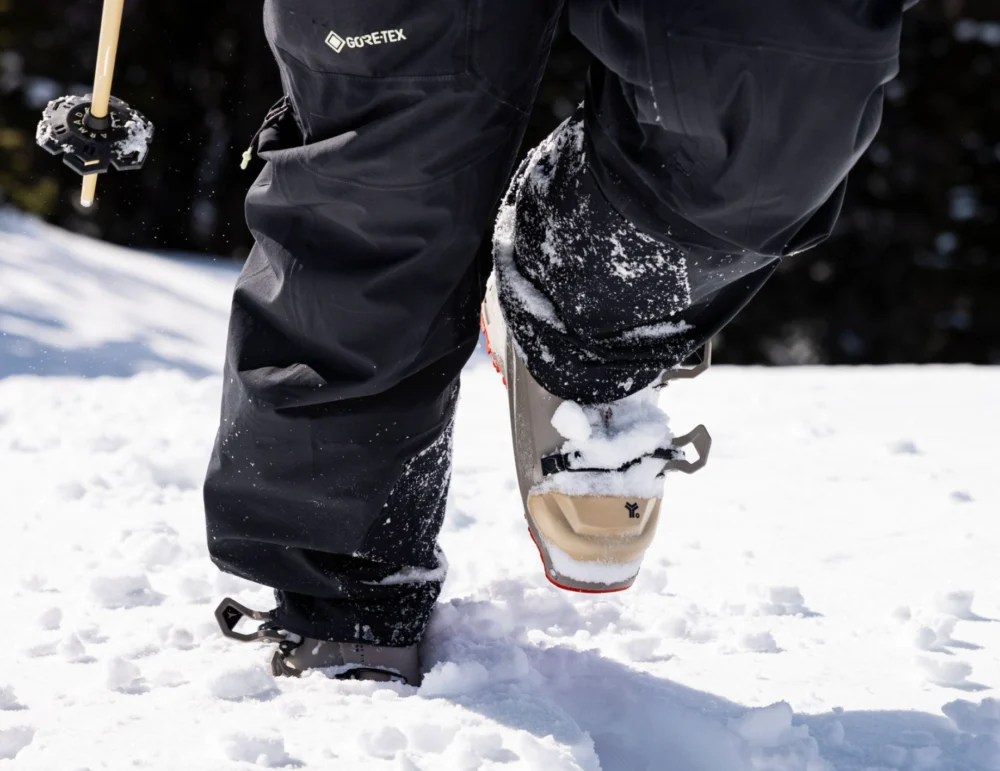
Then it clicked. The day prior, a brand representative had affixed a new, seemingly innocuous piece of equipment to my Atomic ski boots: a "Bootcap." This custom-molded, closed-cell foam accessory wraps around the entire front of the boot’s toe. My initial reaction, I must admit, was one of profound skepticism. "Hooey," I thought, dismissing it as another frivolous gadget in a market saturated with promises. However, out of respect for the rep, a long-time acquaintance known for consistently recommending genuinely innovative gear, I agreed to try it. It turns out, his judgment was once again impeccable. This unassuming toe cap, which I had almost written off, was the silent hero of the day, keeping my feet content and enabling me to continue skiing with sustained enthusiasm.
The Genesis of an Innovation: A Bootfitter’s Decades-Long Quest
The story of the Bootcap, as I soon learned from co-founder Mike Thorpe, is a testament to persistent observation and a deep understanding of skier needs. Thorpe, a highly respected bootfitter in Salt Lake City with three decades of experience, had long been intimately familiar with the common plight of cold feet on the slopes. His journey toward developing the Bootcap began not with a sudden epiphany, but with years of nuanced observations within his workshop.
He had noticed a consistent pattern: when he utilized high-end, closed-cell foam boot liners, clients invariably reported warmer feet. This type of foam, renowned for its superior insulation properties and ability to retain body heat, offered a significant advantage over standard liners. However, the prohibitive cost—often exceeding $200 for a custom liner—rendered this solution inaccessible to the majority of skiers. Thorpe recognized a market gap: a need for affordable, effective toe insulation that didn’t require a complete liner overhaul. The idea of democratizing this "warmth technology" simmered in the back of his mind for years, a challenge awaiting a practical solution.
The problem of cold toes, particularly the forefoot, is multifaceted. The toes are inherently the coldest part of the foot because they are the first point of contact with the frigid wind and snow, experiencing direct exposure. Modern ski boot design, while striving for lighter weight and enhanced performance, has often contributed to this issue. Manufacturers have increasingly thinned the plastic shell around the toe box to reduce overall boot weight. Compounding this, bootfitters like Thorpe frequently perform a process known as "punching out" the toe box. This custom modification involves heating and expanding the plastic shell to accommodate the skier’s foot shape, preventing pressure points and improving comfort. While essential for a precise fit, punching out inevitably thins the plastic further, diminishing its already reduced insulating capacity. Thorpe’s innovative device aimed to directly counteract this inherent lack of insulation in a remarkably simple yet effective manner.
Rigorous Validation: Proving the Concept Beyond Doubt
The concept moved from theoretical contemplation to practical experimentation in 2017. Thorpe, driven by his conviction, took a bold, DIY approach for his first prototype. He procured a high-end, $250 closed-cell foam liner, cut off the toe section, and meticulously glued it to the exterior of his own ski boot. This crude yet ingenious prototype was ready for real-world testing.

His initial proving ground was Snowbird, Utah, a resort known for its challenging terrain and often harsh winter conditions. Thorpe embarked on a four-hour ski session with a singular objective: to determine if he could perceive a tangible difference in warmth between his two feet. Only his left boot was equipped with the makeshift Bootcap. As he rode the tram, the disparity became strikingly clear: his right foot, unprotected, was numb with cold, while his left foot, shielded by the foam cap, felt comfortably warm. Concerned that he might be experiencing a mere placebo effect, Thorpe continued to ski, consciously attempting to remain objective in his assessment. The true confirmation arrived on the drive home. His right foot ached, a common symptom of rewarming after severe cold exposure, but his left foot remained toasty and free of discomfort. "At that point, after a full day of testing, I knew I was onto something," Thorpe recounted. "I wasn’t lying to myself." The initial skepticism was replaced by a profound sense of validation.
Recognizing the potential for a groundbreaking product, Thorpe enlisted the help of his long-time friend, Nate Ries. Ries, a professional with a strong background in design, immediately grasped the innovation’s promise. With shared vision and mutual trust, they pooled their resources, each investing $25,000 to officially launch the company. This initial capital allowed them to move beyond homemade prototypes and into a structured development process.
The iterative cycles of development and testing were exhaustive. Thorpe continued his regular trips to Snowbird, pushing the boundaries of his concept. In one particularly ingenious test, he rigged his ski boots with miniature digital thermometers, strategically placed between the plastic shell and the boot liner to isolate the boot’s temperature from the warmth generated by his foot. A temperature readout device was taped to his thigh, allowing him to monitor the data in real-time. After another four-hour skiing session, the results were conclusive and compelling: the boot equipped with the Bootcap consistently registered 20 degrees Fahrenheit warmer than the unadorned boot. This robust empirical data unequivocally confirmed his initial subjective observations, silencing any lingering doubts about the efficacy of his invention.
Engineering Perfection: Obsessing Over Every Detail
With the core concept thoroughly validated, Thorpe and Ries plunged into the meticulous process of perfecting the Bootcap. Their "obsessive" approach, as Thorpe described it, involved an exhaustive exploration of every minute detail: material selection, optimal shape, and the most effective adhesive.
The choice of material was paramount. High-end, closed-cell foam emerged as the undisputed champion. Its superior thermal resistance and ability to trap air within its structure made it exceptionally effective at beating back the cold and retaining any radiant heat emanating from the boot itself. Unlike open-cell foams, which can absorb moisture and lose insulating properties, closed-cell foam maintains its integrity and performance even in damp conditions.
Developing the ideal shape presented a unique challenge. However, a crucial industry standard provided a significant advantage: all adult ski boot toe pieces are designed to fit into universal binding systems. This standardization meant that Thorpe could develop a "one-shape-fits-all" cap, significantly streamlining production and ensuring broad compatibility across various boot brands and models. This insight was a cornerstone of the product’s market viability.
The adhesive also underwent rigorous testing. Initial considerations included Velcro, but this was quickly dismissed. Velcro, while convenient, would create micro-gaps between the cap and the boot, allowing cold air to seep in and compromise the insulation. The solution ultimately settled on a strong, durable, purpose-specific glue designed to create a tight, impermeable seal.
The product continued to evolve through successive iterations. Today, the Bootcap is on its third design, reflecting the company’s commitment to continuous improvement. Nate Ries, leveraging his design expertise, returned to the drawing board and created a new clay mold. The result, launched in December of the previous year (December 2025), boasts small but critical tweaks that enhance both fit and ease of application – a benefit I personally observed during my testing. The installation process is now remarkably straightforward: simply peel off the paper backing to expose the adhesive and snugly position the cap onto the boot’s toe. While the adhesive works effectively at room temperature, applying heat with a hairdryer significantly strengthens the bond, ensuring maximum durability. An easy-to-use jig, provided with the product, guarantees correct positioning, ensuring the Bootcap never interferes with the ski binding mechanism, a critical safety and performance consideration.
Market Entry and Industry Acclaim: From Niche to Necessity
The official launch of Bootcap occurred during the 2023/2024 winter season, a full six years after Thorpe’s initial prototype. This extended development timeline underscores the founders’ commitment to quality and their refusal to rush an unproven product to market. "Nate and I are obsessive," Thorpe stated, "so it took a long time, but we didn’t want to put a bad product on the market."
The innovative caps quickly began to gain traction, initially through word-of-mouth among friends and a roster of professional skiers known to Thorpe and Ries in the bustling ski community of the Wasatch Front. Big names in the skiing world, including freeskiing icon Dash Longe, Olympic gold medalist Jonny Moseley, legendary alpine racer Ted Ligety, and big mountain specialist Todd Ligare, all recognized the tangible benefits. Their requests for samples quickly turned into enthusiastic endorsements, lending significant credibility to the nascent brand. For professional athletes, consistent comfort and performance are paramount, making a product that reliably prevents cold feet a genuine asset, potentially extending their time on snow and enhancing their training or competitive edge.
Bootcap’s products are currently available for purchase online and through a carefully selected network of retail stores. The positive reception from both recreational skiers and elite athletes alike indicates a growing recognition of its value. This simple accessory addresses a long-standing, pervasive problem in skiing, potentially enhancing user experience across all skill levels and even contributing to safety by mitigating the risk of frostbite in extreme conditions. It also subtly highlights a design challenge that mainstream boot manufacturers have yet to fully resolve, positioning Bootcap as an essential add-on.
Future Trajectory and Vision: Expanding the Warmth Revolution
Despite the burgeoning success of Bootcap, Mike Thorpe remains grounded in his roots. He continues to work as a bootfitter approximately 10 hours a week, maintaining connections with clients who value his extensive experience and personalized expertise. The remainder of his time is dedicated to steering the growth of Bootcap, focusing on strategic expansion and product development.
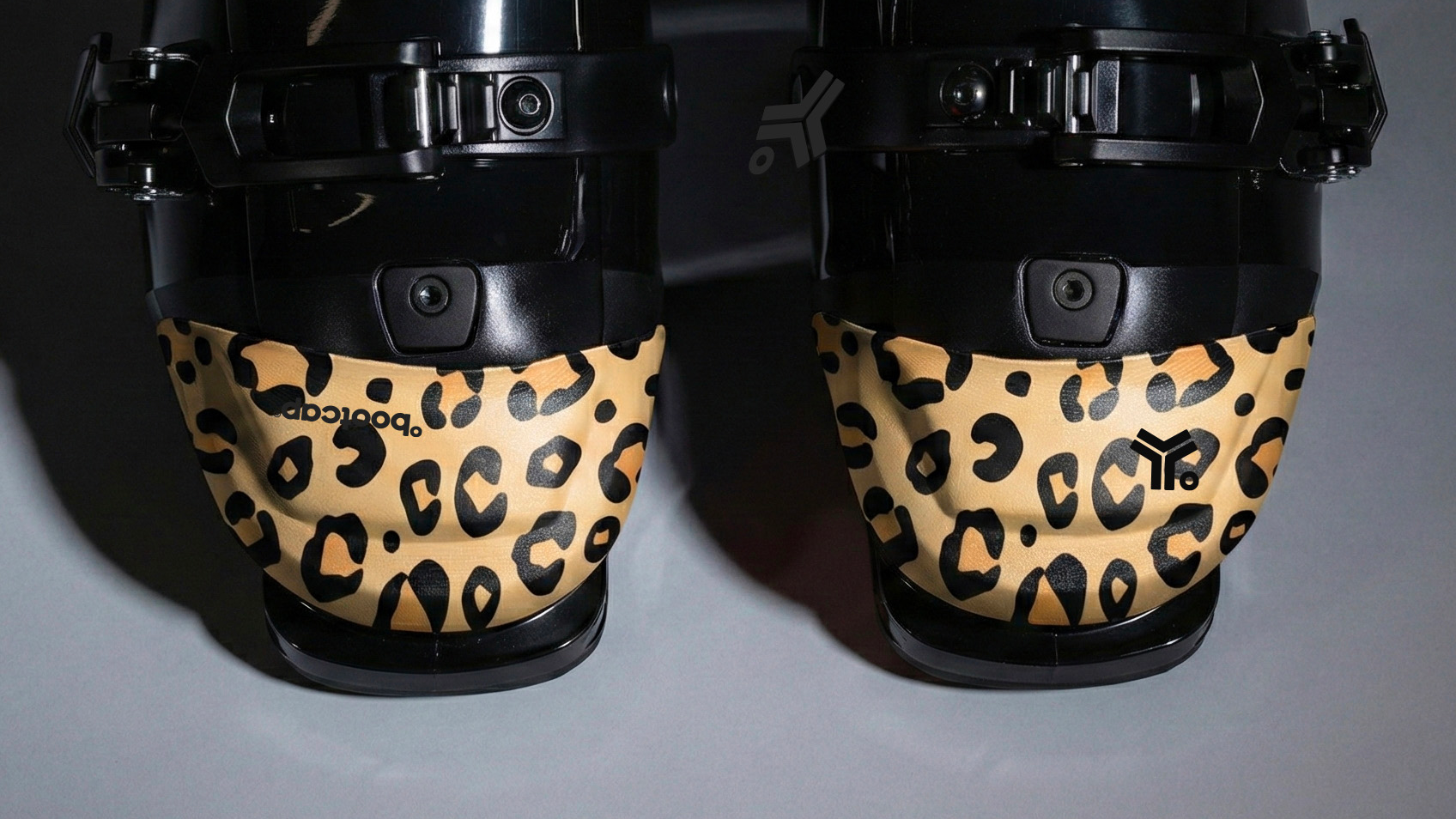
The company has ambitious plans for the near future. Next year will see the highly anticipated launch of Bootcaps designed specifically for kids’ ski boots. This expansion addresses another significant market segment, as children are often more susceptible to cold extremities and their comfort can dramatically influence a family’s ski day experience. Furthermore, Bootcap is actively expanding its partnerships, having already collaborated with the renowned ski film company TGR (Teton Gravity Research) on a co-branded product. Several other companies have also approached them, expressing interest in similar collaborations, signaling the broader industry’s recognition of Bootcap’s innovative appeal.
The overarching goal, however, remains steadfast: to expand the brand’s reach while staying true to the original vision of providing a simple, effective product that fundamentally makes skiing easier and more enjoyable for everyone. "The whole reason Nate and I got into the ski industry was because we love product development and we love style," Thorpe articulated. "We want Bootcaps to be useful, but we also want people to love the brand and feel great about wearing our product on their gear." This dual focus on functionality and aesthetic appeal positions Bootcap not just as a practical accessory but as a desirable piece of ski culture.
Testing Verdict: Essential Equipment for Enduring Winter Days
My personal experience, spanning two weeks of rigorous testing in challenging conditions, strongly aligns with the growing consensus: Bootcaps are far from a gimmick. While I readily acknowledge the potential for a placebo effect, the perceived warmth difference is undeniable and substantial. On days when my toes would typically be screaming in protest, they remained comfortably insulated, allowing me to focus on the joy of skiing rather than the creeping discomfort of cold.
The cost, at $60 for a pair, might initially seem steep for what is essentially a piece of custom-molded foam. However, my direct experience has firmly convinced me that it represents a small, yet profoundly worthwhile, investment for reliably warm toes. This simple accessory transforms the cold-weather skiing experience, extending comfort and enjoyment on even the most frigid days. As a parent, I will undoubtedly be purchasing them for my children when the youth version launches next year, anticipating similar benefits for their developing feet.
In an industry constantly seeking the next big innovation, Bootcap stands out for its elegant simplicity and profound impact. It’s not a revolutionary piece of technology, but rather a brilliantly executed solution to an age-old problem. By providing dependable warmth where it’s needed most, Bootcap elevates ski comfort from an elusive ideal to a consistent reality, making it an increasingly essential piece of equipment for any serious skier confronting winter’s harshest conditions.
