

When Tony Vagneur traded his skis for a picket sign in 1971, his ski patrol team held ambitious hopes of shutting down the entire Aspen ski area, believing such an action would compel management to provide better wages and essential equipment. While reactions within the quaint mountain town were initially mixed, with many skiers ultimately choosing to cross the picket line to enjoy the slopes, Vagneur’s pioneering efforts would lay the groundwork for a persistent, cyclical struggle between mountain workers and resort operators that continues to reverberate across the global ski industry today.
Indeed, the scenario Vagneur faced fifty years ago sounds remarkably familiar to contemporary ski enthusiasts and industry observers. Over just the past two ski seasons alone, highly publicized strikes at prominent resorts such as Park City in Utah, Telluride in Colorado, and Le Massif de Charlevoix in Quebec, Canada, have captured international headlines, underscoring an enduring and escalating crisis in mountain labor relations. These modern disputes, while separated by decades, are intrinsically linked to the foundational grievances first articulated by Vagneur and his team at Aspen and Snowmass, marking a continuous thread of workers advocating for fair compensation, enhanced workplace safety, and sustainable career pathways in an increasingly corporatized and economically challenging environment.
A Picket Line Through Time: The 1971 Aspen Strike
The events of 1971 in Aspen, Colorado, represent a pivotal, though often overlooked, moment in the history of ski industry labor. Tony Vagneur, then a first-year patroller, was part of a collective effort by the ski patrol teams at both Aspen and Snowmass mountains to organize what is widely considered the ski industry’s inaugural strike. At its core, the dispute centered on inadequate wages and a lack of proper equipment, issues that directly impacted the safety and efficacy of the patrollers’ demanding work. The workers, deeply embedded in the nascent culture of ski-town living, found themselves increasingly unable to make ends meet despite their critical roles in ensuring guest safety and mountain operations.
Initially, the strike faced significant headwinds. Resort management quickly moved to replace the striking patrollers, drawing from a pool of eager, albeit less experienced, individuals drawn to the allure of a ski-town lifestyle. This swift replacement strategy, combined with the mixed public reaction, forced many of the original strikers off the picket lines and into other jobs to sustain themselves. The immediate outlook appeared bleak for the unionizing patrollers.
However, the longer-term implications proved more favorable. By the following season, the hastily assembled replacement teams had largely dispersed, many finding the realities of mountain work less glamorous and more demanding than anticipated, especially without the collective bargaining power of a union. Recognizing the indispensable value of experienced, local staff, resort management was compelled to rehire the original patrollers. Crucially, they returned under a new, progressive wage structure that offered significantly better pay than before, marking a hard-won victory that demonstrated the potential for collective action to effect meaningful change within the industry. This early success, though achieved through considerable personal sacrifice, established a precedent that has informed subsequent labor movements.
Modern Echoes: A Wave of Recent Disruptions
Fifty years later, the core "sticking points" in labor negotiations remain remarkably consistent: competitive wages, robust workplace safety protocols, and the establishment of clear progression structures designed to retain experienced employees crucial for maintaining mountain safety. Yet, the modern context adds layers of complexity, driven by growing income inequality, severe housing shortages in mountain communities, and the increasing corporatization of ski areas under large conglomerates.
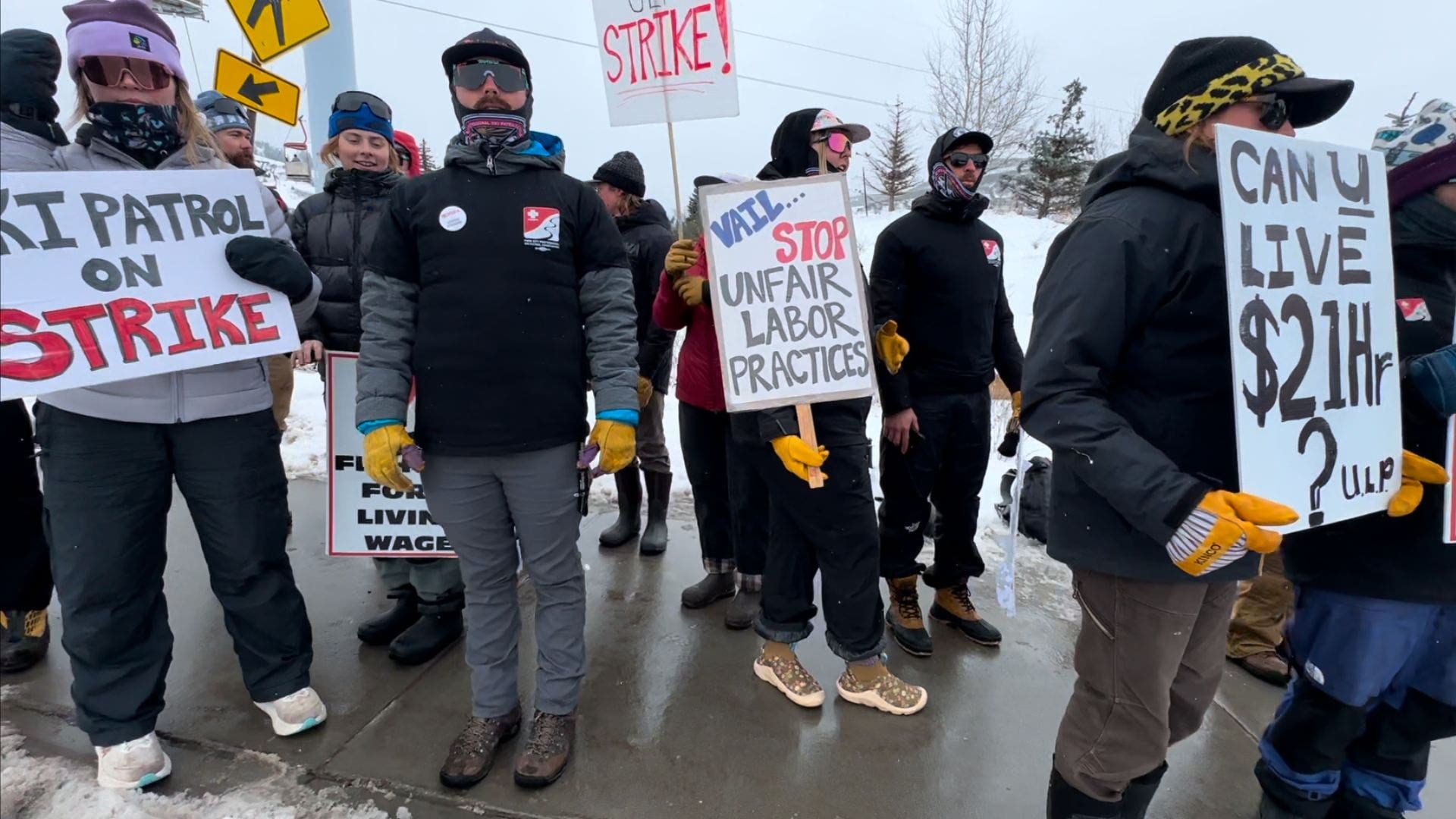
The 2024-2025 ski season saw the Park City ski patrol engage in a protracted strike that drew national attention. Roughly 200 patrollers walked off the job in December 2024, demanding better pay and benefits from Vail Resorts, one of the largest ski resort operators globally. The strike, which lasted several weeks, significantly impacted the guest experience, leading to extended lift lines, delayed terrain openings, and increased emergency response times. Images of disgruntled skiers and operational challenges circulated widely on social media, putting immense pressure on resort management.
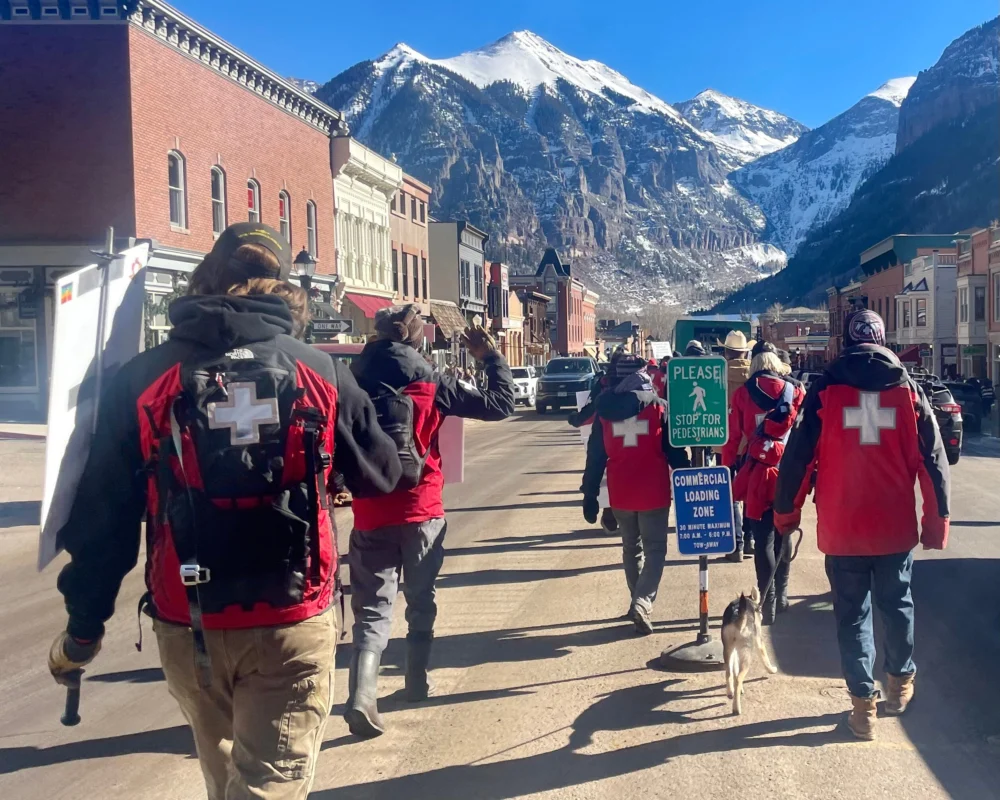
Similarly, Telluride, known for its challenging terrain, faced its own labor crisis. The Telluride Professional Ski Patrol unionized over a decade ago, recognizing the need for security as the mountain changed ownership. Despite this, they recently engaged in a high-profile dispute, taking to town sidewalks to garner local support. Their concerns mirrored those of Park City: the inability to attract and retain staff due to non-competitive wages in a region with an exorbitant cost of living. The dispute culminated in a significant disruption, with Telluride reportedly closing for over a week during the crucial Christmas holiday period due to a lack of patrollers, despite months of recruitment efforts.
Across the border, Le Massif de Charlevoix in Quebec also experienced a strike, highlighting that these labor challenges are not confined to the United States but reflect broader industry trends across North America and potentially beyond. These contemporary strikes, while varying in their immediate outcomes, collectively underscore the persistent and widespread nature of the issues confronting mountain workers.
The Core Grievances: Wages, Safety, and Retention
The enduring nature of these disputes stems from fundamental economic and operational imbalances. Jobs like ski patrol and lift maintenance are not merely seasonal gigs; they are highly specialized, demanding professions requiring years of training, niche skills, high-risk tolerance, and invaluable local knowledge. Ski patrollers, for instance, are first responders in extreme environments, responsible for avalanche mitigation, medical emergencies, search and rescue operations, and ensuring the safety of vast and complex terrain. Lift maintenance crews are precision engineers, tasked with the year-round upkeep and intricate repairs of complex machinery that transports thousands of guests daily.

Yet, despite the criticality and specialization of these roles, wages often fail to keep pace with the skyrocketing cost of living in desirable mountain towns. According to recent economic analyses, the median income required to afford a modest home in many major ski resort communities, such as Aspen, Park City, or Telluride, often exceeds $100,000 annually, while entry-level and even mid-career wages for patrollers and mechanics can hover significantly below that threshold, often in the $18-$25 per hour range. This disparity creates an unsustainable living situation, forcing experienced employees to seek more affordable opportunities elsewhere, leading to a "revolving door" of staff.
"In order to have professional people, we have to provide not just a wage structure, but working conditions that will persistently retain employees," stated Max Magill, a Park City patroller and President of United Mountain Workers (UMW). He emphasized that the "squeeze that’s being put on workers in mountain communities has become much more dramatic and pressing, and it’s created a totally unsustainable living situation. If we as workers don’t stand up for ourselves directly, we’ll be taken total advantage of."
Workplace safety is another critical, non-negotiable demand. This isn’t just about general occupational safety; it involves the specific risks inherent in mountain operations. Patrollers face dangers from avalanches, extreme weather, and complex rescue scenarios. Lift mechanics work at heights, in challenging conditions, often on machinery that, if not perfectly maintained, can have catastrophic consequences. Adequate staffing levels, proper equipment, and continuous training are paramount to mitigating these risks. High turnover directly compromises this, as less experienced staff may not possess the deep institutional knowledge vital for preventing incidents.
The need for a clear progression structure is equally vital. Without a defined path for advancement, offering both increased responsibility and commensurate compensation, employees lack incentives to stay and develop their expertise. This directly impacts retention. As employees become competent, often after several years of on-the-job learning and specialized certifications, they find themselves unable to afford to remain in the communities they serve. This brain drain results in a critical loss of institutional knowledge, making it harder to train new recruits and ultimately compromising the safety and efficiency of resort operations.
The "Dream Job" Mirage Meets Economic Reality
The romanticized notion of the "ski bum" – someone who dedicates their life to the mountains, working just enough to ski – has become increasingly unattainable in the modern era. While mountain jobs are often coveted for their unique lifestyle benefits, the economic realities of contemporary ski towns have largely eroded this ideal. The influx of remote workers, second-home owners, and luxury development, particularly exacerbated by the COVID-19 pandemic, has driven real estate prices and rental costs to unprecedented levels. This housing crisis, coupled with stagnant wages, has pushed many essential mountain workers to the fringes, or entirely out of, the communities that depend on their labor.
Adding to this pressure is the corporatization of the ski industry. Major players like Vail Resorts and Alterra Mountain Company have consolidated ownership of numerous resorts, shifting operational priorities. While these companies bring significant investment and marketing power, critics argue that their focus on maximizing shareholder value can sometimes come at the expense of local labor and community welfare. Decisions regarding wage structures, benefits packages, and staffing levels are often made by corporate entities far removed from the day-to-day realities of mountain operations, leading to disconnects and fueling worker dissatisfaction.
The Rise of United Mountain Workers
In response to these mounting pressures, organized labor has experienced a significant resurgence within the ski industry. United Mountain Workers (UMW), a union operating under the larger Communication Workers of America (CWA) Union, has emerged as a powerful advocate for mountain employees across the U.S. (with the exception of Aspen’s independent union). The UMW’s growth trajectory has been nothing short of explosive, tripling its size since 2019, a period significantly influenced by the economic dislocations and heightened awareness of labor rights spurred by the COVID-19 pandemic.
Currently, UMW represents nearly 20 local bargaining units, and interest in unionization continues to surge across various resort departments. Jessica Blount, a 20-year patroller at Telluride, explained her team’s decision to unionize over a decade ago: "We knew we needed to give ourselves some sort of security." Their unionization allowed them to safeguard against losses of wages or benefits and actively advocate for a more equitable wage structure.
A more recent success story comes from Crested Butte, where the Lift Maintenance team unionized in 2023. Approximately a year later, after months of stalled negotiations, the union authorized a strike. According to President Thomas Pearman, the mere possibility of a strike prompted an "overnight tune change from the company." The strike ultimately never occurred, as the imminent threat spurred the resort to bring a significantly improved offer to the table. Pearman described the secured contract as a "win for lift maintenance everywhere," achieving major goals including better training, competitive wages, enhanced workplace safety standards, and a clear path of progression for employees. For the first time, the job offered a sustainable career pathway, a stark contrast to the previous "revolving door" scenario, where employee turnover was around 50 percent. This year, Pearman proudly reported, turnover was zero.
While many of UMW’s bargaining units are ski patrols, Crested Butte’s was the second lift maintenance team to unionize after Park City’s, signaling a growing trend. Pearman anticipates more mechanics will follow suit, recognizing the power of collective bargaining to transform what were once unstable jobs into viable, long-term careers.
The Indispensable Expertise: Why Mountain Workers Matter
The perception that mountain jobs are "dream jobs" and employees are easily replaceable fundamentally misunderstands the highly specialized and critical nature of these roles. Each ski lift on every mountain is unique, and mechanics possess an intimate knowledge of the intricacies of every machine, from the smallest bolt to the most complex control system. "There’s so many details that everyone is constantly learning, whether you’re doing it for five years or 20," Pearman noted. Without a locally experienced team, small but crucial details are easily missed, potentially leading to operational failures or safety hazards. This dangerous, year-round job involves heavy lifting and meticulous inspections during the summer months, and the ability to reach any part of any lift in any condition during winter.
For ski patrollers, local knowledge is equally vital. They must be adept at skiing, avalanche mitigation, and guest evacuation from every nook and cranny of the slopes. At resorts like Telluride, with its extreme and avalanche-prone terrain, this is an immense demand. Blount acknowledged that while the position is coveted, the hiring reality is grim: "We can’t get our head above water." She recounted a recent hiring clinic where 16 recruits appeared, only eight passed the ski test and were offered trainee positions, a mere four could afford to move to town, and one sustained an injury before the season even began. Of the few rookies who remain, it remains uncertain how many will stay long enough to become truly competent, let alone pass down their invaluable knowledge to the next generation.
The Ripple Effect: Impact on Resorts and Skiers
The consequences of these labor disputes extend far beyond the negotiating table, directly impacting resort operations and, crucially, the guest experience. While Tony Vagneur’s crew didn’t succeed in fully shutting down Aspen in 1971, modern strikes have demonstrated significant disruptive power. Telluride’s immediate closure during the busy Christmas holiday due to a lack of patrollers underscored the indispensable nature of its workforce and the severe economic implications for the resort, which lost significant revenue during a peak period.
In Park City, the 2024-2025 strike, though Vail Resorts kept the mountain open by deploying replacements from other ski areas, led to widespread discontent. Max Magill reported that "the guest experience was completely ruined," citing massive lift lines that went viral on social media and increased emergency response times. The public backlash was so severe that it contributed to the company’s CEO stepping down soon after the dispute. The patrollers ultimately secured a contract Magill described as a "complete and total victory."
Magill, Pearman, and Blount universally express that the goal of their actions is not to harm the guest experience. However, they emphasize that if the ability of mountain workers to earn a sustainable living continues to erode, the very slopes that skiers pay premium prices to access will inevitably become less safe and less enjoyable for everyone. In Telluride, the cracks are already showing. Blount revealed that half of her patrol team is over 50, and the staff barely suffices to cover the mountain daily. This leads to longer times to open terrain after storms, and sometimes popular areas cannot be opened at all, directly impacting the quality of skiing for paying customers.
More critically, the loss of institutional knowledge poses a significant safety risk. As long-serving "old hats" retire – those who intimately understand every nuance of a T-bar or the behavior of a specific avalanche path – there are fewer experienced staff remaining to mentor and train the next generation. This erosion of expertise could lead to dangerous situations and a diminished capacity to manage the inherent risks of mountain environments. "I hope people realize the severity of the situation," Blount stated, later adding, "It’s unsustainable."
Looking Ahead: The Future of Mountain Labor Relations
The recurring strikes and growing union activity in the ski industry are not isolated incidents but symptoms of deeper structural issues within mountain communities and the broader economy. The shift towards corporatization, coupled with escalating costs of living, has created an untenable situation for the essential workers who underpin the entire ski experience.
The successes seen at Crested Butte and Park City demonstrate the tangible power of collective bargaining to secure better wages, working conditions, and career stability. This trend suggests a potential future where more resort departments, beyond just ski patrol and lift maintenance, may consider unionizing to advocate for their rights. Such a movement could fundamentally reshape labor relations across the industry.
For resort operators, the challenge lies in balancing shareholder expectations and operational costs with the imperative of retaining a skilled and dedicated workforce. Ignoring these issues carries significant risks: reputational damage, operational disruptions, and, most importantly, compromised safety standards that could deter guests and even lead to tragic accidents.
Ultimately, the future of the ski industry’s labor landscape hinges on a collective recognition of the value of its workers. As the struggles of Tony Vagneur’s team in 1971 echo through the modern picket lines of Park City and Telluride, it becomes increasingly clear that sustainable solutions require genuine dialogue, fair compensation, and a commitment to ensuring that those who make the mountains safe and enjoyable can also afford to call them home. The alternative is an industry where the pursuit of a "dream job" becomes an economic impossibility, leading to a decline in quality, safety, and the very essence of the mountain experience.
