

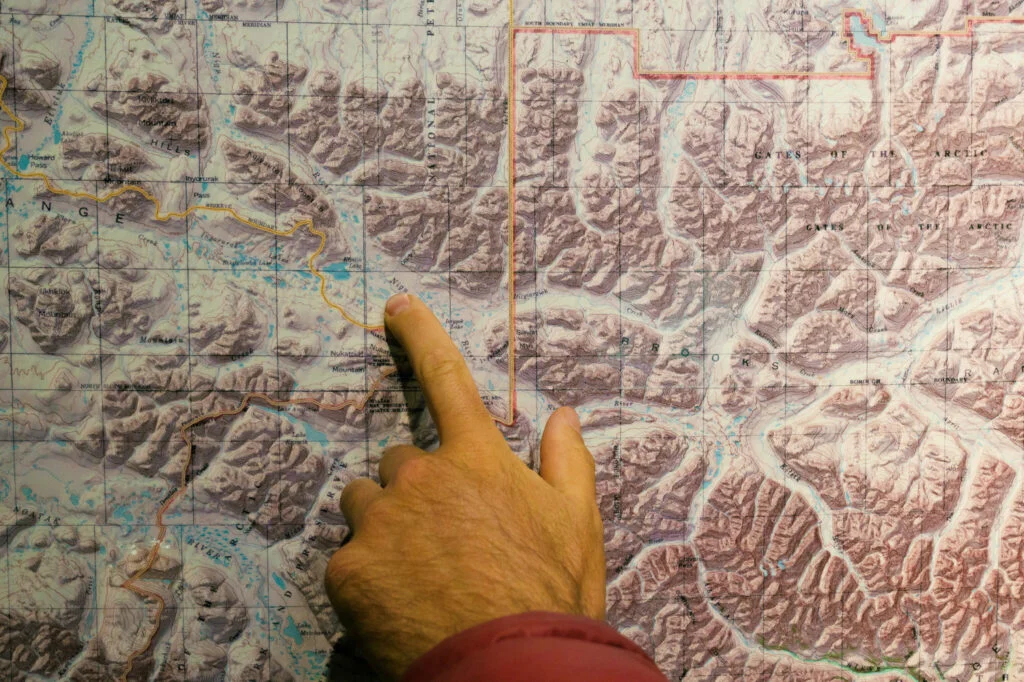
The federal government initiated the first of five scheduled oil and gas lease sales in the Western Arctic on March 18, signaling a significant shift in the management of the National Petroleum Reserve-Alaska (NPR-A). This move opens more than 5.5 million acres of the region to industrial development, including the ecologically sensitive Teshekpuk Lake wetlands. The sale is part of a broader federal mandate requiring at least five such auctions over the next decade, a policy that has reignited a century-old debate over the purpose of Alaska’s North Slope. At over 22 million acres, the NPR-A represents the largest single block of public land in the United States, and its current trajectory reflects a complex intersection of energy policy, environmental science, and historical legacy.
The Century-Old Legacy of Naval Petroleum Reserve No. 4
The origins of the NPR-A date back to 1923, when President Warren G. Harding signed an executive order designating a vast portion of Alaska’s North Slope as "Naval Petroleum Reserve No. 4." During this era, the United States Navy was transitioning its fleet from coal to oil, and the discovery of oil seeps along the Arctic coast suggested a strategic opportunity to secure the nation’s energy future. At the time, Alaska was viewed primarily as a resource colony, and the land was withdrawn from all other potential uses to ensure a dedicated fuel supply for the military.
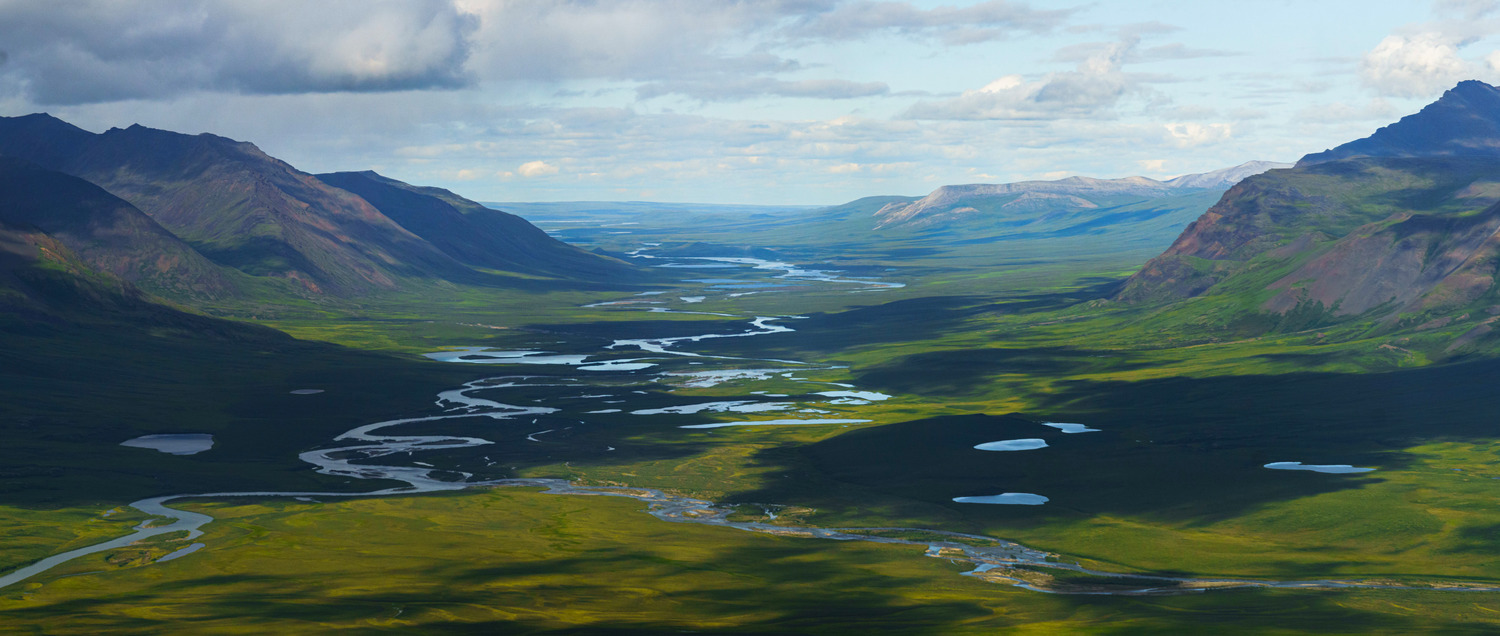
The name and the designation have persisted for more than a century, though the governing authority has shifted. In 1976, Congress passed the Naval Petroleum Reserves Production Act, which transferred management of the land from the Navy to the Department of the Interior. While the transition moved the land into civilian hands, the legislative identity remained focused on extraction. Renamed the National Petroleum Reserve-Alaska (NPR-A), the territory became a bureaucratic paradox: a massive wilderness area legally defined by its potential for industrial exploitation.
The historical context of the reserve is also marked by political controversy. President Harding’s administration was ultimately overshadowed by the Teapot Dome scandal, which involved his Interior Secretary, Albert Bacon Fall, accepting bribes to grant oil leases in the Naval Petroleum Reserve No. 3 in Wyoming. This legacy of conflict between public resource management and private industrial interests continues to resonate in the modern era as the federal government moves to fulfill current leasing mandates.
A Chronology of Modern Development Mandates
The current push for expanded leasing in the Western Arctic is the result of several years of converging policy decisions and economic pressures. The Trump administration aggressively pursued the opening of the NPR-A, overturning previous protections for the Teshekpuk Lake region—a move that has been carried forward through subsequent federal mandates.
- 2017: The Tax Cuts and Jobs Act included provisions to open the 1002 Area of the Arctic National Wildlife Refuge (ANWR) to leasing, setting a precedent for aggressive development in the Arctic.
- 2020: The Bureau of Land Management (BLM) issued a new Integrated Activity Plan for the NPR-A, which opened roughly 82 percent of the reserve to oil and gas leasing.
- 2023: The approval of the Willow Oil Project, managed by ConocoPhillips, marked a turning point. The project is estimated to produce 600 to 750 million barrels of oil over its 30-year lifespan.
- 2024–2026: Federal law now mandates five lease sales over a ten-year period, ensuring that millions of acres remain on the auction block regardless of shifting administrative priorities.
These developments are not isolated. They are part of a synchronized effort that includes the proposed 200-mile Ambler Road to facilitate mining and the expansion of infrastructure along the Dalton Highway corridor. Collectively, these projects represent the most significant industrialization of the American Arctic since the construction of the Trans-Alaska Pipeline in the 1970s.
Ecological Significance and the "Last Whole Place"
The NPR-A is frequently described by biologists as an "intact ecosystem," a rarity in a global landscape increasingly fragmented by human infrastructure. The region serves as a critical habitat for a diverse array of species, many of which migrate across continents to reach the Arctic tundra.
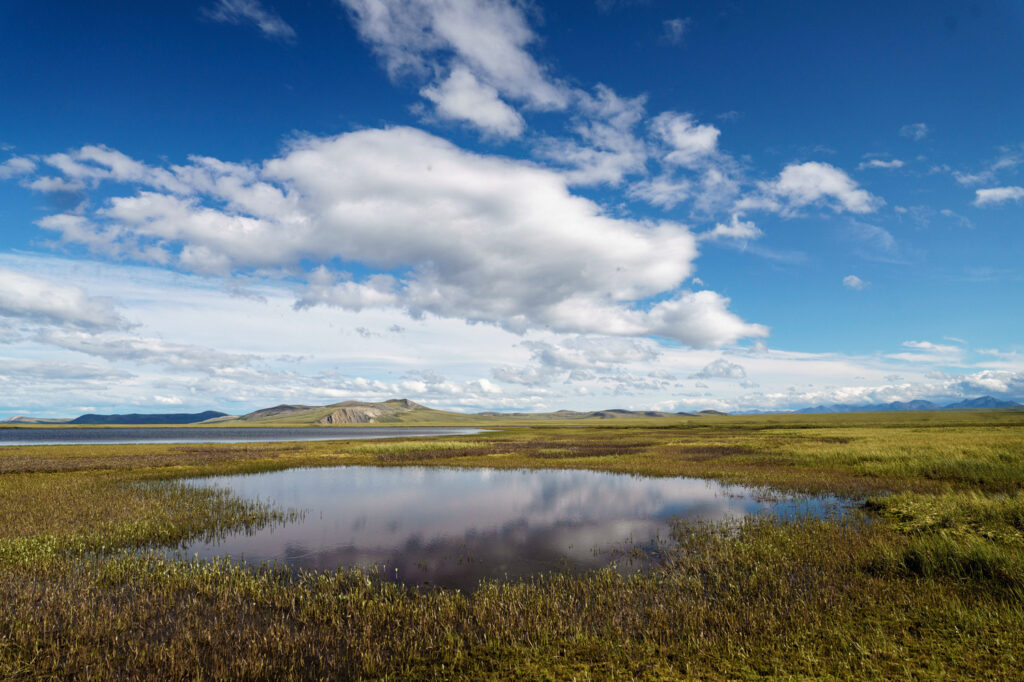
The Teshekpuk Lake wetlands are the crown jewel of this ecosystem. For decades, this area was protected due to its status as a globally critical habitat. It serves as the primary calving ground for the Teshekpuk Lake caribou herd, which provides a vital subsistence resource for North Slope Iñupiat communities. Furthermore, the lake is the single most important molting habitat in the Arctic for migratory waterfowl.
Data from the Audubon Society and other conservation organizations indicate that an estimated 5.4 million aquatic birds inhabit the NPR-A each season. These birds represent species from six different continents and all four major U.S. flyways. The "petroleum reserve" designation, critics argue, fails to account for the modern scientific understanding of the region’s role in global biodiversity. While the land is legally partitioned into categories like "National Park," "Wilderness," and "Petroleum Reserve," the ecology is seamless. Migratory routes and watersheds do not adhere to political boundaries, meaning that development in one sector of the NPR-A can have cascading effects across the entire Arctic ecosystem.
Economic Realities and the Cost of Arctic Oil
The drive to extract oil from the Western Arctic faces significant economic hurdles. Arctic oil is among the most expensive fossil fuels to produce in the world. High costs are driven by the extreme environment, the need for specialized infrastructure to navigate permafrost, and the logistical challenges of operating in a remote region with only one major road.
According to the U.S. Geological Survey (USGS), the Northern Alaska region may contain nearly half of all undiscovered recoverable oil on federal lands in the country. The NPR-A specifically is estimated to hold nearly 900 million barrels of technically recoverable conventional oil. However, the breakeven price for these projects is often much higher than that of shale oil in the Permian Basin or offshore projects in the Gulf of Mexico.
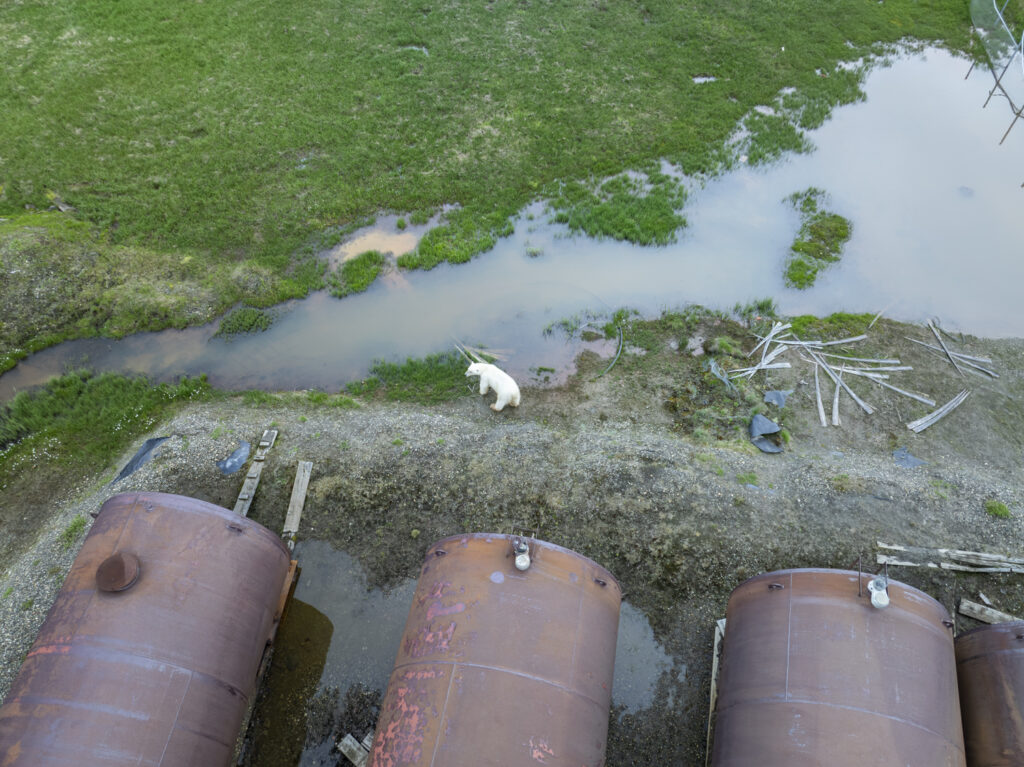
Analysts note that Arctic development often requires significant public subsidies and long-term capital horizons. Because oil companies operate on 30-year cycles, the political uncertainty of future administrations is factored into their financial risks. If global demand for oil shifts toward renewable energy sources within the next three decades, these massive Arctic investments could become "stranded assets"—projects that are no longer economically viable but have already caused irreversible environmental damage.
Stakeholder Reactions and Broader Implications
The reaction to the March 18 lease sale has been polarized. Proponents of the sale, including the State of Alaska and various industry groups, argue that development is essential for the state’s economy. Alaska’s state budget is heavily dependent on oil revenue, and a decline in production from older fields like Prudhoe Bay has created an "anemic" fiscal environment. For these stakeholders, the NPR-A represents a necessary lifeline for jobs and domestic energy security.
Conversely, environmental groups and climate scientists warn that the expansion of Arctic drilling is incompatible with global climate goals. The Arctic is warming three to five times faster than the global average, a phenomenon known as Arctic amplification. The thawing of permafrost not only threatens the stability of industrial infrastructure but also risks releasing massive amounts of sequestered methane and carbon dioxide into the atmosphere.
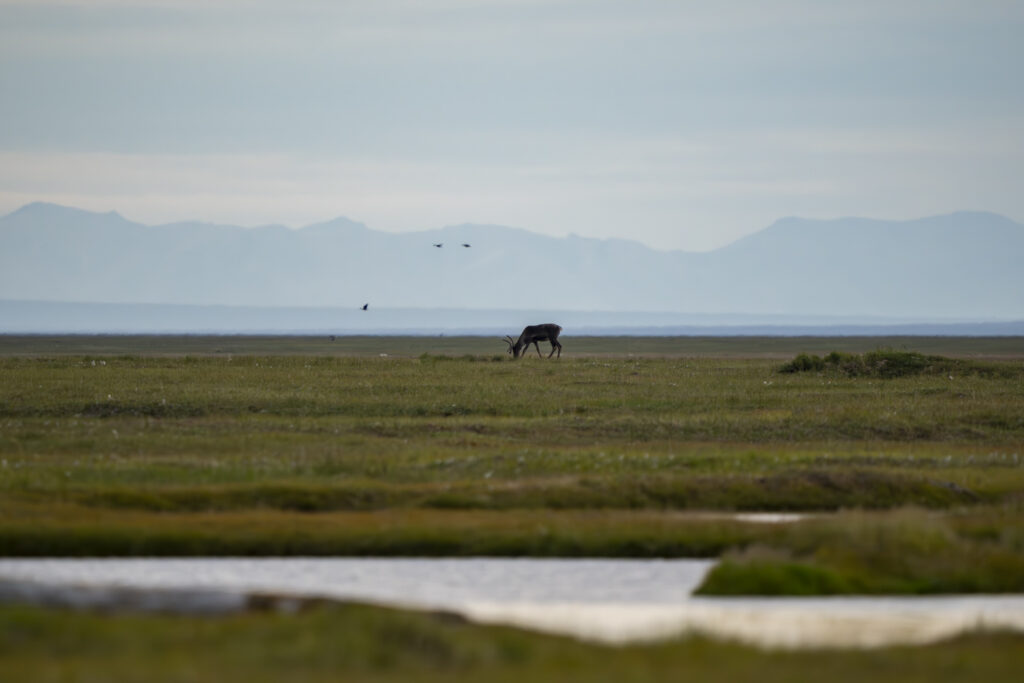
"The gift of the Arctic today is a chance to exercise restraint," argues environmental researcher Alex Lee. "If we fully develop the Arctic, we will have subjugated the land into defeat as ‘resource’ and ‘property,’ losing the last whole place left."
Conclusion: The Scaffolding of a Name
As the federal government proceeds with its mandated lease sales, the primary justification remains the name assigned to the land in 1923. The "National Petroleum Reserve" designation acts as a legal scaffolding that prioritizes extraction over all other values. However, as the global climate changes and the economic landscape of energy shifts, the validity of a century-old military calculation is being called into question.
The outcome of these lease sales will determine the future of millions of acres of tundra and the survival of migratory species that connect Alaska to the rest of the world. While the legal machinery for development is currently in motion, the long-term status of the NPR-A remains a central point of contention in the American conservation movement. The challenge for future policymakers will be to decide whether the NPR-A remains a "resource colony" or if it can be re-envisioned as a vital component of a resilient, intact Arctic ecosystem.
