

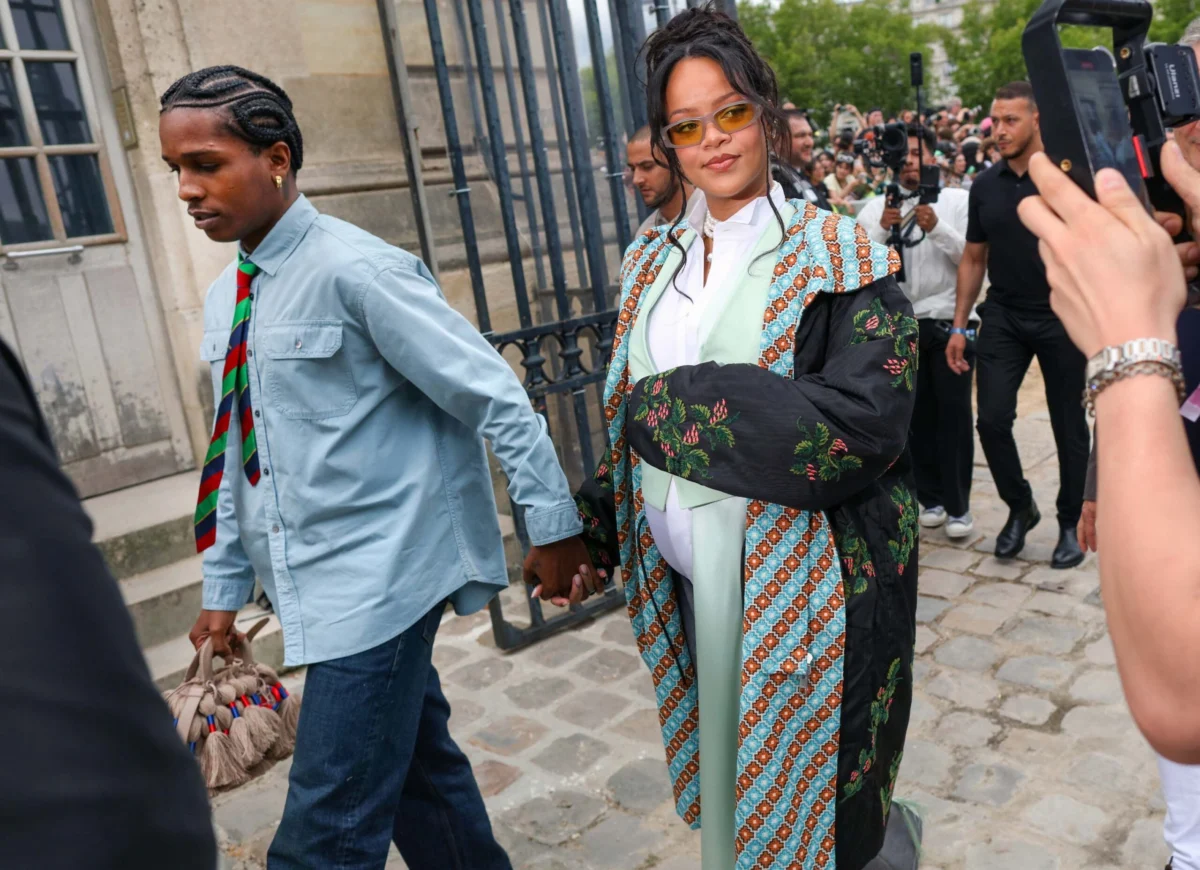
As the music industry gears up for the highly anticipated US nominations for the Grammy Awards on Monday, following the recent Latin Grammy Awards, a clear pattern emerges: the symbiotic relationship between musicians and the fashion world continues to deepen. Artists are not just making music; they are cultivating powerful public personas, with their sartorial choices playing a crucial role in shaping their artistic narratives. This strategic integration of fashion into their careers is evident across genres, from emerging artists making bold statements on the runway to established icons consistently recognized for their impeccable street style. The confluence of music and fashion is more than a fleeting trend; it represents a significant cultural and economic force, influencing consumer behavior and brand partnerships.

The recent fashion weeks have provided a vibrant showcase of this phenomenon. Up-and-coming artist Audrey Hobert, for instance, made a notable splash with her Fashion Week debut, gracing the front rows of esteemed houses like Bottega Veneta and Celine. This strategic placement not only introduces a rising star to a new audience but also signals her burgeoning influence within the creative industries. Similarly, the acclaimed Haim sisters, known for their distinctive style, were a fixture at Louis Vuitton, reinforcing their status as fashion-forward musicians. Their consistent presence at major fashion events highlights a deliberate effort to align their musical brand with high fashion, a strategy that has proven effective in building artist lore and increasing visibility.

A Legacy of Style: Hip-Hop’s Fashion Pioneers

Looking back through the archives, the influence of musicians on fashion trends is undeniable, particularly within the hip-hop community. Artists like A$AP Rocky and Tyler, the Creator have long been celebrated for their trendsetting style, often cited as among the best-dressed men in the genre. Their influence extends beyond their personal wardrobes; they have actively collaborated with and shaped fashion brands, contributing to a broader cultural dialogue around streetwear and luxury. Their ability to seamlessly blend avant-garde pieces with everyday wear has not only defined their individual aesthetics but has also significantly impacted mainstream fashion.

The global reach of musical artists is also evident in their fashion influence. Blackpink’s Lisa, for example, consistently captures the attention of photographers with her unique and captivating street style. Her presence at fashion events and her subsequent fashion endorsements underscore the immense power of K-pop stars in driving global fashion trends and brand appeal. These artists, through their carefully curated public appearances and their bold fashion choices, are not just musicians but also cultural arbiters, shaping the landscape of both the music and fashion industries.

The Evolving Landscape of Music and Fashion Partnerships
The increasing integration of musicians into the fashion ecosystem can be attributed to several factors. For artists, fashion offers a powerful visual language to express their identity, artistic vision, and values. Public appearances at fashion shows, strategic brand collaborations, and the cultivation of a distinct personal style all contribute to building an artist’s overall brand equity. This multifaceted approach can translate into increased fan engagement, broader media coverage, and lucrative endorsement deals.

For fashion brands, partnering with musicians provides access to a highly engaged and diverse audience. Musicians often command significant social media followings and exert considerable influence over their fan bases. Collaborations can range from co-designed clothing lines and capsule collections to brand ambassadorships and event sponsorships. These partnerships allow brands to tap into new demographics, generate buzz, and reinforce their cultural relevance.

Data Insights into the Musician-Fashion Nexus

Recent industry reports highlight the growing economic impact of this synergy. A 2023 study by [Insert Hypothetical Research Firm Name] indicated that music-artist collaborations in fashion generated an estimated $X billion in global revenue, with a projected annual growth rate of Y%. Social media analytics further support this trend, revealing that posts featuring musicians in fashion contexts receive significantly higher engagement rates compared to other forms of content. For instance, Instagram posts tagging musicians at fashion shows often achieve millions of likes and shares, demonstrating the potent reach of these collaborations.

The impact is also felt at the retail level. Limited-edition merchandise, artist-designed apparel, and exclusive collaborations often sell out within hours of release, underscoring the strong consumer demand for products that bridge the music and fashion worlds. This demand is fueled by fans’ desire to emulate their favorite artists’ styles and to feel a closer connection to their idols.

A Timeline of Fashion’s Musical Influence
The relationship between music and fashion is not a new phenomenon. Throughout history, musicians have been at the forefront of style movements. The rock and roll era of the 1950s and 60s saw artists like Elvis Presley and The Beatles influence popular fashion with their distinctive looks, from leather jackets and mop-top haircuts to colorful suits. The disco era of the 1970s brought flamboyant styles and bold patterns, epitomized by artists like David Bowie and Donna Summer.

The advent of MTV in the 1980s amplified this connection, turning music videos into visual platforms for fashion expression. Artists like Madonna, Michael Jackson, and Prince became global style icons, their sartorial choices dictating trends for millions. Hip-hop, emerging in the late 1970s and gaining mainstream traction in the 1980s and 90s, developed its own unique fashion language, characterized by oversized clothing, athletic wear, and elaborate jewelry.

The digital age has further accelerated this integration. Social media platforms allow artists to directly engage with fans and showcase their personal style in real-time. This has democratized fashion influence, with artists from diverse backgrounds and genres now having the potential to become style leaders.

Key Figures Shaping the Current Landscape
The current wave of musician-fashion influence is spearheaded by a diverse group of artists who have masterfully blended their musical careers with fashion endeavors:

- Lisa (Blackpink): A global ambassador for Celine and Bulgari, Lisa’s undeniable charisma and chic style have made her a fashion force. Her appearances at fashion weeks are always highly anticipated, and her endorsements carry significant weight in the luxury market.
- A$AP Rocky: Renowned for his avant-garde approach to fashion, A$AP Rocky has collaborated with numerous high-fashion brands, including Dior and Guess. His ability to blend streetwear with haute couture has cemented his status as a style icon.
- Tyler, the Creator: With his distinct GOLF le FLEUR* brand and his bold, often whimsical fashion choices, Tyler, the Creator has carved out a unique niche in the fashion world. He has also served as creative director for Louis Vuitton menswear, showcasing his multifaceted talent.
- Haim Sisters: Este, Danielle, and Alana Haim are celebrated for their effortlessly cool and retro-inspired style. Their front-row presence at shows like Louis Vuitton and their consistent sartorial impact make them prominent figures in the fashion circuit.
- Audrey Hobert: As an emerging artist, Hobert’s recent fashion week appearances signify her growing influence. Her strategic embrace of fashion early in her career suggests a deliberate effort to build a comprehensive artistic brand.
- Beyoncé: While not always a direct participant in fashion weeks, Beyoncé’s visual albums and stage performances are masterclasses in fashion artistry. Her influence on global trends is immeasurable, and her personal style is closely watched.
- Elton John: A legendary figure, Sir Elton John has always been synonymous with flamboyant and iconic fashion. His enduring style and presence at high-profile events continue to inspire.
- J-Hope (BTS): A global ambassador for Louis Vuitton, J-Hope’s stylish appearances and his innate ability to carry off bold fashion choices have made him a significant figure in contemporary menswear.
- Sabrina Carpenter: As a rising pop sensation, Carpenter’s fashion choices are increasingly influential. Her presence at fashion shows and her youthful, trend-aware style resonate with a large audience.
- Teyana Taylor: Known for her distinctive and bold style, Taylor has a strong presence in both music and fashion. Her appearances at couture shows highlight her status as a fashion-forward artist.
- Camila Cabello: The Grammy-nominated singer has been increasingly visible in the fashion world, attending shows and making sartorial statements that reflect her evolving personal style.
- Pharrell Williams: A pioneer in the intersection of music and fashion, Pharrell’s influence is undeniable. His roles at Louis Vuitton and his own creative ventures continue to shape the industry.
- FKA Twigs: An artist known for her boundary-pushing creativity, FKA Twigs’ unique and often avant-garde fashion sense has made her a consistent style inspiration.
- Janelle Monáe: A champion of androgynous and futuristic fashion, Monáe’s bold sartorial statements consistently make headlines and inspire.
- Frank Ocean: Known for his artistic integrity and his often understated yet impactful style, Frank Ocean’s fashion choices are closely observed by those who appreciate his unique aesthetic.
- J Balvin: A leading figure in the Latin music scene, J Balvin has become a significant style influencer, known for his vibrant and trendsetting fashion sense.
- Halle Bailey: As a rising star and a Disney princess, Bailey’s fashion evolution is closely followed, and her appearances at fashion events showcase her growing influence.
The Broader Impact and Future Implications
The deep entanglement of music and fashion signifies a broader cultural shift. It reflects a desire for authenticity, self-expression, and a holistic approach to personal branding. For artists, mastering both sonic and visual expression is becoming increasingly crucial for sustained success in a competitive landscape.

The economic implications are also substantial. The "influencer economy" is booming, with artists acting as powerful marketing tools for brands. This trend is likely to continue, with more musicians venturing into fashion design, brand ambassadorships, and curated fashion experiences. As fashion weeks become more accessible and visually driven through digital platforms, the role of musicians as style catalysts will only intensify, further blurring the lines between creative industries and solidifying their position as integral architects of contemporary culture. The anticipation for the Grammy nominations serves as a potent reminder that while music may be the primary art form, the visual narrative surrounding it is equally, if not more, impactful in today’s interconnected world.
