

Published October 21, 2026 11:28 AM
As the first crisp flakes dust mountain peaks across the American West, ski resorts are launching into their annual race against the calendar, firing up snow guns in a crucial bid to establish a base for the impending winter season. This year, the stakes are notably higher. While most regions, with the possible exception of Vermont, are collectively wishing for a more bountiful snow year than the last, the recent memory of a parched winter followed by a scorching summer across many states casts a long shadow, underscoring the relentless severity of the multi-year drought gripping the Western United States. This persistent aridity brings critical questions to the forefront: in an era of escalating water scarcity, is dedicating precious resources to open ski runs a justifiable use, and are there sufficient reserves to meet these demands?
In response to these pressing inquiries, SKI magazine engaged with a panel of industry experts, resort operators, and sustainability advocates. Their collective insights aim to demystify the complex process of modern snowmaking and illuminate its increasingly pivotal role in contemporary mountain operations, particularly as climate patterns continue to shift. The consensus is clear: snowmaking, once a supplementary luxury, has evolved into an indispensable foundation for the economic viability and recreational accessibility of ski areas.
The Nuances of Water Usage: Dispelling Common Misconceptions
A frequent point of public contention arises when homeowners in drought-stricken areas are urged to conserve water and restrict lawn irrigation, while seemingly nearby ski resorts activate powerful snowmaking systems. This perceived paradox, while appearing straightforward, is underpinned by a labyrinthine framework of water rights laws and ecological principles. At its core, the distinction lies in the legal and environmental classification of water use.
Water rights in the United States, particularly in the arid West, are governed by complex doctrines such as prior appropriation, where the first to use water for a beneficial purpose gains a superior right, or riparian rights, which link water use to land ownership adjacent to a water body. These laws vary significantly by state, county, and even specific watershed, creating a mosaic of regulations. However, on a fundamental level, ski resorts, like other industrial and agricultural entities, typically hold established water rights that grant them permission to draw a specified volume of water for designated uses.
Crucially, snowmaking is largely categorized as a "non-consumptive" water use. This designation signifies that the water used in the process is not permanently removed from the natural hydrological cycle. Instead, the water utilized to create artificial snow eventually melts, either percolating back into the groundwater system or flowing into surface watersheds, or it evaporates, returning to the atmosphere to later precipitate as rain or snow. This differs significantly from "consumptive" uses, such as agricultural irrigation where much of the water is absorbed by plants or evaporates from the soil before returning to the watershed, or industrial processes that might incorporate water into products or discharge it with pollutants.
Austin Irby, Slope Maintenance Director at Jackson Hole, elaborated on this critical distinction: "It all eventually ends up back in the environment. Instead of using it, getting heavy metals in it—some industries are polluting it—ours is good, clean water when it goes back." This assertion underscores the environmental argument that snowmaking, while drawing substantial volumes of water, does so in a manner that preserves its quality and ultimately returns it to the ecosystem.
Courtney LaBrie, Director of Sustainability for the National Ski Areas Association (NSAA), further highlighted the ecological benefits, noting that snowmaking can contribute to more predictable runoff patterns in the spring, which can be beneficial for downstream water management. She also pointed to an emerging, albeit less common, application: the strategic deployment of snowmaking capabilities as a tool for wildfire suppression, particularly in areas where resorts border wildland-urban interfaces.
The ability of resorts to access and utilize water for snowmaking, LaBrie emphasized, "depends heavily on local conditions, such as water rights seniority, on-site storage, water sources, and snowmaking efficiency." For the resorts interviewed, existing water rights and established sources currently allow them to proceed with snowmaking operations. Faced with the intensifying challenges of climate change, many are not merely maintaining the status quo but are actively investing in system upgrades to enhance efficiency and explore innovative methods to sustain mountain operations.
The Indispensable Role of Snowmaking in Modern Ski Operations
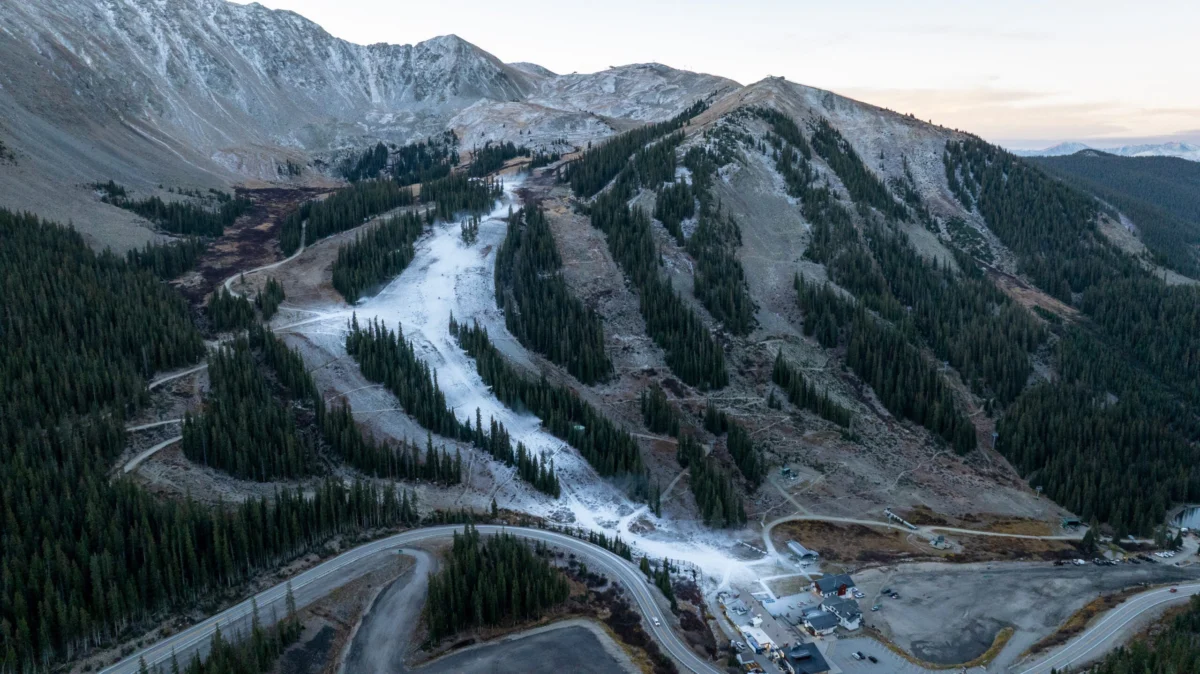
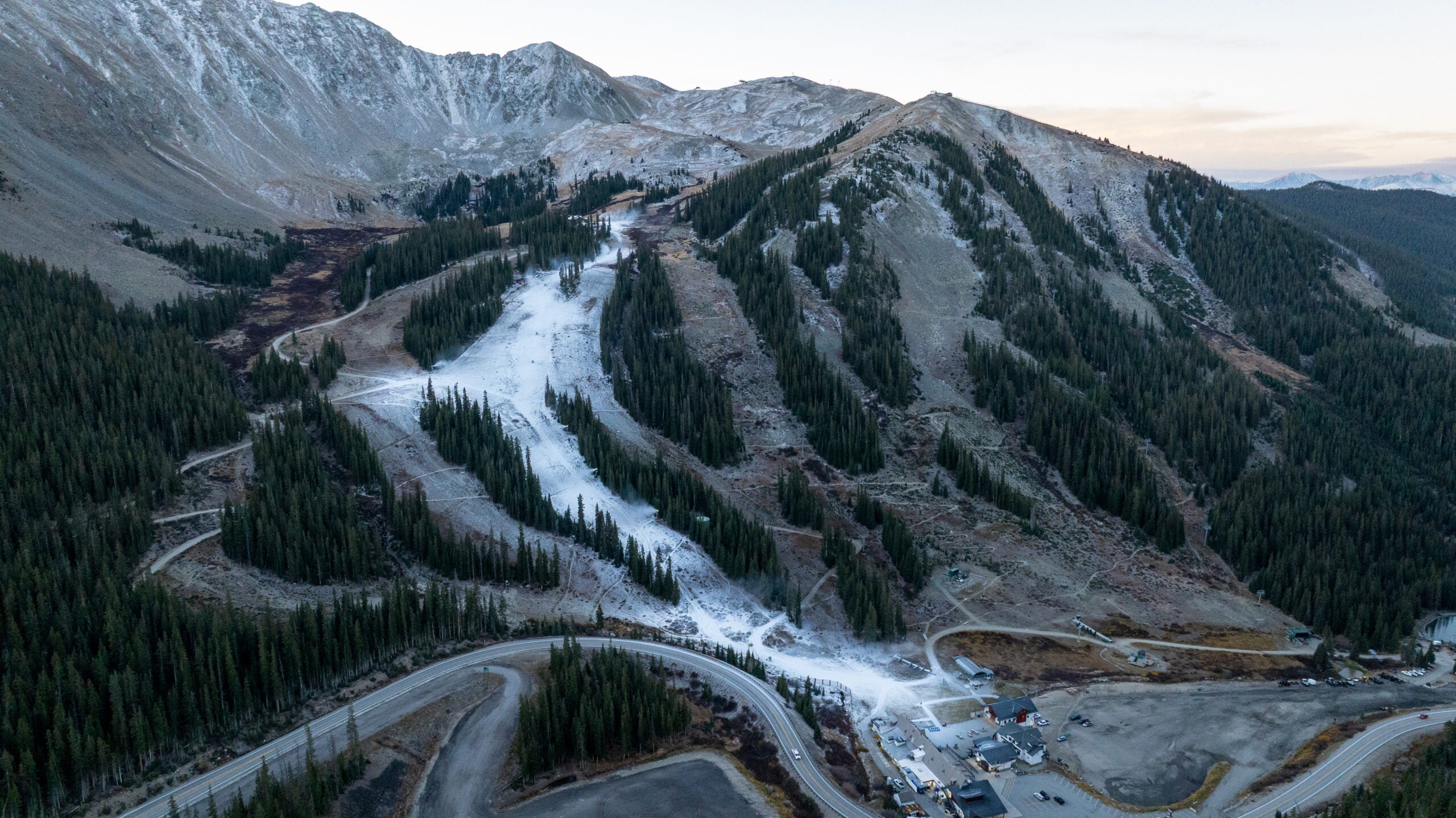
The economic engine of the ski industry is inextricably linked to reliable snow cover. For many resorts, particularly those at lower elevations or in regions prone to fluctuating natural snowfall, snowmaking is no longer an optional enhancement but a fundamental pillar of their operational strategy. This is exemplified by Arapahoe Basin, often among the first ski areas to initiate snowmaking each season, leveraging its high-elevation terrain where temperatures consistently drop to critical lows as early as October.
Blair James, Snowmaking Manager at Arapahoe Basin, revealed that despite the mountain’s reputation for abundant natural snow, snowmaking is concentrated on a specific handful of trails. Yet, this focused effort is disproportionately impactful. Louis Skowyra, VP of Mountain Operations, succinctly described it as "a really critical toehold for the season." This "toehold" often involves covering key ingress and egress routes, high-traffic beginner areas, and connector trails, which are essential for opening the mountain and ensuring skier flow.
Even at iconic resorts renowned for their deep powder, snowmaking plays a vital strategic role. Jackson Hole, for instance, only applies artificial snow to approximately five percent of its vast terrain. However, as Austin Irby explained, this small percentage includes crucial lower-elevation trails that ensure skiers can access and exit the mountain, particularly as natural snow recedes in the warmer spring months. Without these maintained corridors, the entire upper mountain could become inaccessible, crippling operations.
LaBrie of the NSAA articulated the broader strategic significance: "Snowmaking acts as a resilience tool for ski areas to get seasons started on time, supplement snow in dry years, and end seasons when scheduled." This resilience proved vital last season, when numerous resorts, particularly in the drought-affected West, relied heavily on snowmaking to remain operational.
This operational necessity, however, comes with a substantial financial commitment. Investing in and maintaining sophisticated snowmaking infrastructure represents a significant expense, encompassing everything from high-pressure pumps and extensive pipeline networks to energy-intensive snow guns and specialized personnel. Reed Weimer, Sales and Marketing Manager for Red River, a family-owned New Mexico ski area, acknowledged, "It’s a significant expense, but many times it’s a needed expense." Red River, which covers an extensive 85 percent of its terrain with snowmaking, demonstrated this commitment last season by extending its snowmaking operations for approximately a month longer than usual to compensate for meager natural snowfall.
The financial outlay extends beyond initial capital investment to ongoing operational costs, primarily energy consumption. While precise figures vary by resort and system, snowmaking can account for a substantial portion of a ski area’s annual energy budget. The typical cost to produce a single acre-foot of artificial snow can range from a few hundred to over a thousand dollars, depending on energy prices, water pumping distances, and system efficiency. With an average ski resort requiring hundreds, if not thousands, of acre-feet of snow annually to cover critical terrain, the total cost can quickly escalate into millions of dollars.
Despite these considerable costs, resorts universally recognize that challenging years are an inevitable part of the business cycle. Consequently, proactive planning and continuous system upgrades are standard practice. Chad Sokol, Public Relations Manager at Whitefish, affirmed, "We definitely plan for the worst-case scenario." This forward-thinking approach encompasses not only technological improvements but also contingency planning for water availability, energy costs, and workforce management.
Navigating an Uncertain Future: Innovation and Adaptability
The ski industry operates at the sharp end of climate change, with staff at resorts keenly aware of the variable and increasingly unpredictable weather patterns. A 2023 study by the NSAA underscored these concerns, projecting that if global emissions continue unabated, ski areas could face escalating challenges in the coming decades, including heightened water source vulnerability, shorter snow seasons, and higher average temperatures. The stark reality, as Jackson Hole’s Austin Irby pointed out, is that even with "the nicest, biggest snowmaking system on the planet, it still needs to get cold." Consistent cold temperatures, the fundamental prerequisite for efficient snowmaking, are becoming less reliable.
In response, the industry is not just relying on snowmaking as a standalone solution but integrating it into a broader portfolio of climate adaptation strategies. LaBrie emphasized that snowmaking is "one tool among many that ski areas have to address low-snow years," and the underlying technology is in a constant state of evolution.
Technological innovation is proving to be a "game changer" for many resorts. Reed Weimer of Red River highlighted the transformative impact of investing in efficient LiDAR (Light Detection and Ranging) technology. LiDAR systems allow resorts to precisely map snow depth across their terrain, enabling snowmaking teams to apply artificial snow with pinpoint accuracy, minimizing waste and optimizing resource allocation. This data-driven approach not only helps mitigate the significant costs associated with snowmaking but also reduces overall water and energy consumption.
In a testament to this evolving strategic thinking, Willamette Pass in Oregon is implementing a major upgrade this season, introducing top-to-bottom snowmaking in certain areas. Mindy Ingebretson-Wolowicz, General Manager, explained that this project signifies a fundamental shift in the resort’s philosophy. Snowmaking is no longer merely an augmentation tool to supplement natural snowfall but has become a central and foundational component for opening and sustaining mountain operations throughout the season. "We all realize how important it is and how it can help fortify our seasons," she stated, emphasizing that such significant investments are not "a knee-jerk reaction from one bad season" but rather a carefully considered, long-term adaptation strategy.
Such large-scale infrastructure projects necessitate extensive planning and meticulous collaboration with various stakeholders, including government agencies, environmental groups, and local communities. Resorts like Willamette Pass prioritize implementing these expansions with minimal ecological impact, adhering to stringent environmental regulations and often integrating sustainable practices into their designs.
Beyond active snowmaking, resorts are also exploring more passive, yet equally innovative, snow-saving strategies. Earlier this month, Aspen Snowmass garnered attention by hosting a park session on snow that had been "farmed" from the previous season, stored under specialized insulated blankets designed to prevent melting. This pioneering approach demonstrates the potential for year-round snow management. At Arapahoe Basin, recognized as one of the country’s first carbon-neutral ski areas, strategically placed snow fences at high altitudes capture and accumulate natural snow drifts. This "harvested" snow can then be deployed to fortify critical runs later in the season, extending the operational window without additional water or energy input. Meanwhile, Jackson Hole staff are considering innovative operational models, such as allowing guests to ride the upper mountain and then download via lifts when lower-elevation natural snow begins to disappear, minimizing the need for extensive snowmaking on challenging egress routes.
These diverse strategies underscore a broader industry commitment to adaptability and sustainability. While the future of natural snowfall remains uncertain, the ski industry is proactively investing in technology, infrastructure, and innovative operational approaches to ensure the continued accessibility of mountain recreation.
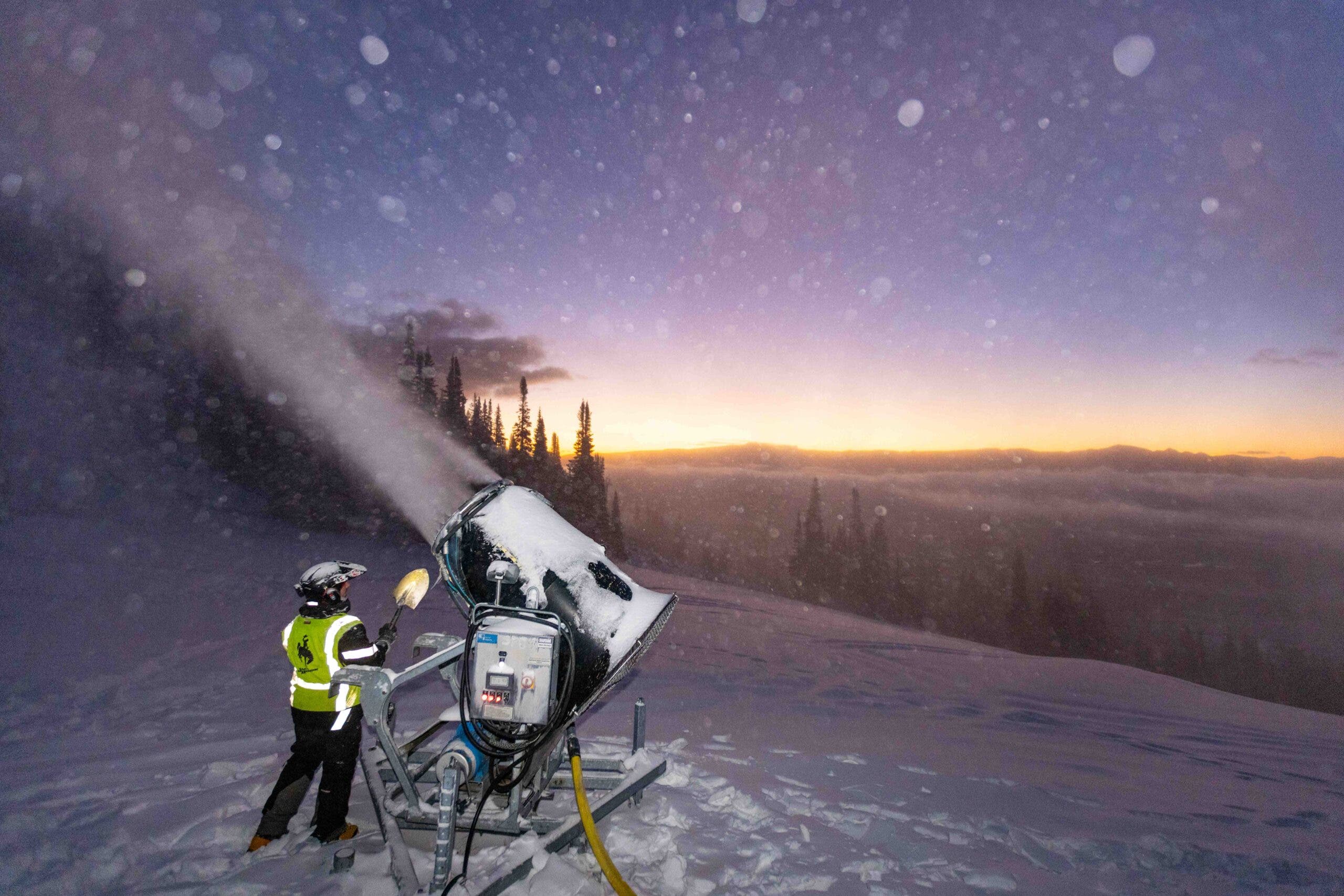
As the industry anxiously awaits optimal conditions for those first runs to open, Ingebretson-Wolowicz offered a poignant reminder, urging skiers to acknowledge and appreciate the dedicated individuals who make it all possible. "None of it happens without the people behind it," she said. "The people who are out there at 2 o’clock in the morning in the dark with their headlamps on." These unsung heroes of the slopes, the snowmakers, are at the forefront of the industry’s battle against climate variability, working tirelessly to secure the winter experiences cherished by millions. Their efforts represent a delicate balance of economic necessity, environmental stewardship, and the enduring passion for winter sports in an increasingly challenging climate.
