

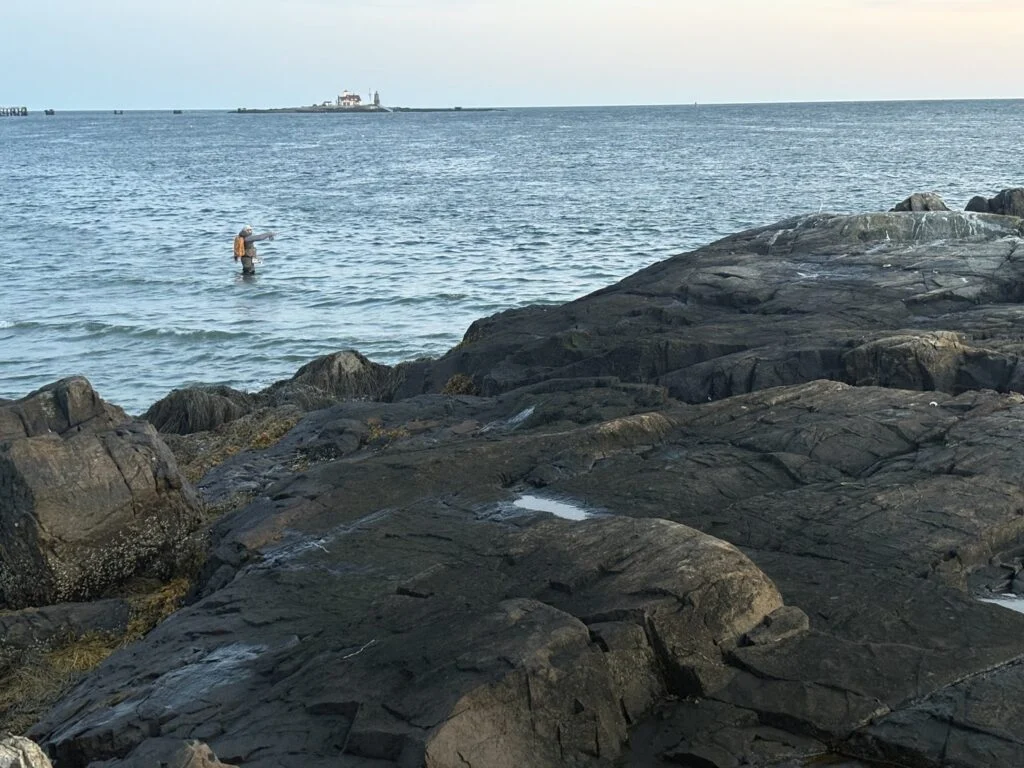
The Gulf of Maine, a vast body of water stretching from the tip of Cape Cod to the shores of Nova Scotia, has become the focal point of a new cinematic effort to document the intersection of climate change and local resilience. New Blue View, a five-part film series produced through a collaboration between Protect Our Winters (POW) and 11th Hour Racing, explores the shifting ecological landscape of these northern waters through the eyes of those most intimately connected to them. Led by filmmaker Liam Gallagher and professional fishing guide Captain Kyle Schaefer, the project documents a six-day journey across the region’s tidal flats, rivers, and coastal communities. The series arrives at a critical juncture for the region, as scientific data confirms that the Gulf of Maine is warming faster than nearly any other marine environment on Earth, necessitating urgent dialogue regarding conservation, sustainable industry, and community-led advocacy.
The Rapid Warming of the Gulf of Maine: Contextualizing the Crisis
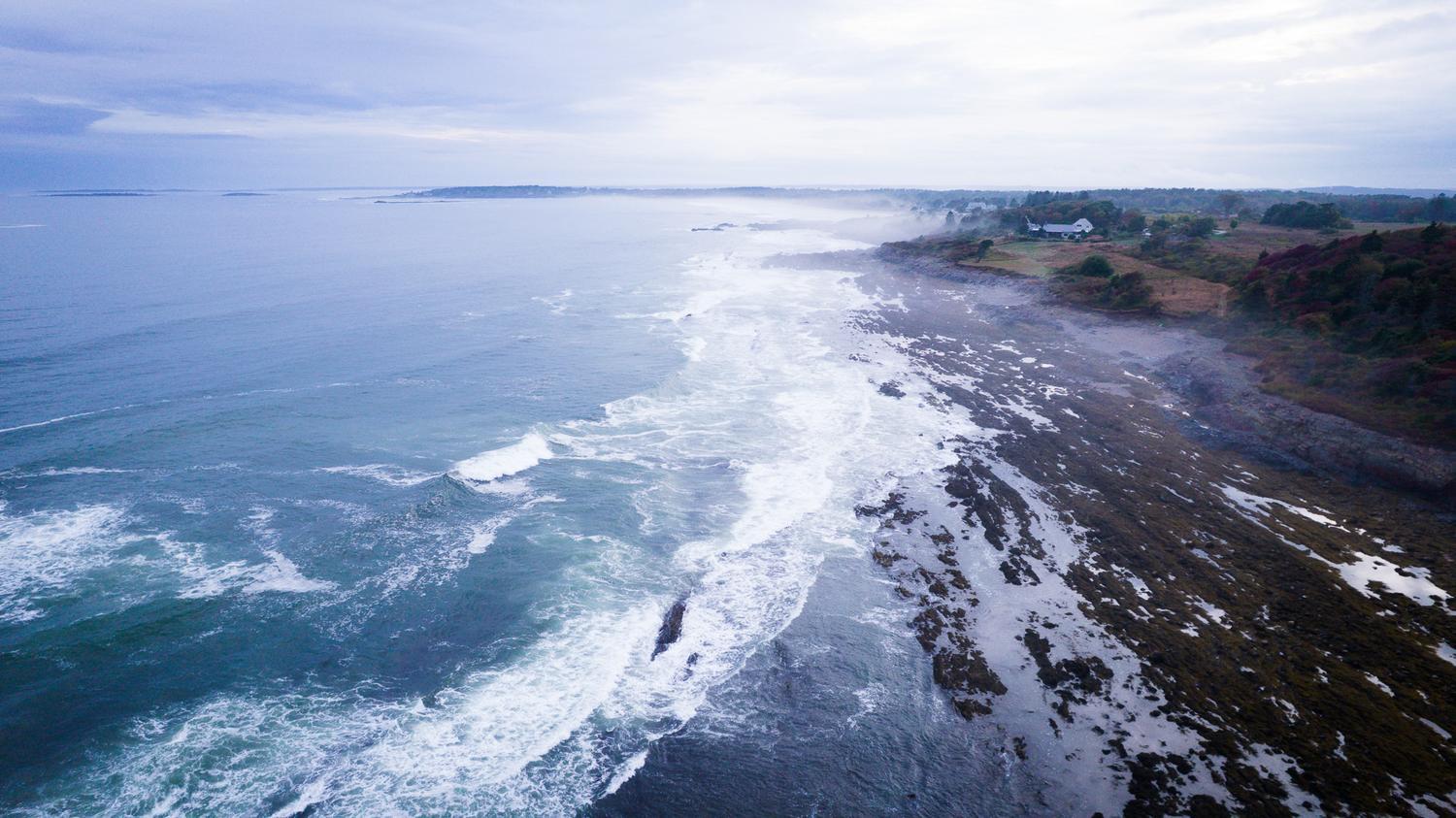
The environmental backdrop of New Blue View is one of significant alarm for the global scientific community. According to data provided by the Gulf of Maine Research Institute (GMRI), the waters within this basin are warming faster than 97% of the world’s oceans. This accelerated thermal increase is attributed to a combination of global atmospheric warming and specific regional oceanographic shifts, including the weakening of the cold Labrador Current and the northward intrusion of the warmer Gulf Stream.
For Captain Kyle Schaefer, a Maine local and professional outfitter, these statistics are not merely abstract figures but lived realities. Having fished these waters since childhood, Schaefer has observed firsthand the alterations in migratory patterns, water temperature, and species distribution. His role as the protagonist of the series is to bridge the gap between the recreational sporting community and the scientific experts working to mitigate these changes. The series emphasizes that the "mystery" of the underwater world, which originally drew Schaefer to angling, is now under threat, transforming his professional focus from simple recreation to science-based advocacy.
The Genesis and Chronology of New Blue View
The production of New Blue View was the result of a strategic partnership between Liam Gallagher, a member of the POW Creative Alliance, and 11th Hour Racing, an organization dedicated to mobilizing the sailing and maritime communities toward ocean health. Gallagher, based in Washington, traveled to the East Coast to document the efforts of local stakeholders who are developing innovative solutions to the climate crisis.
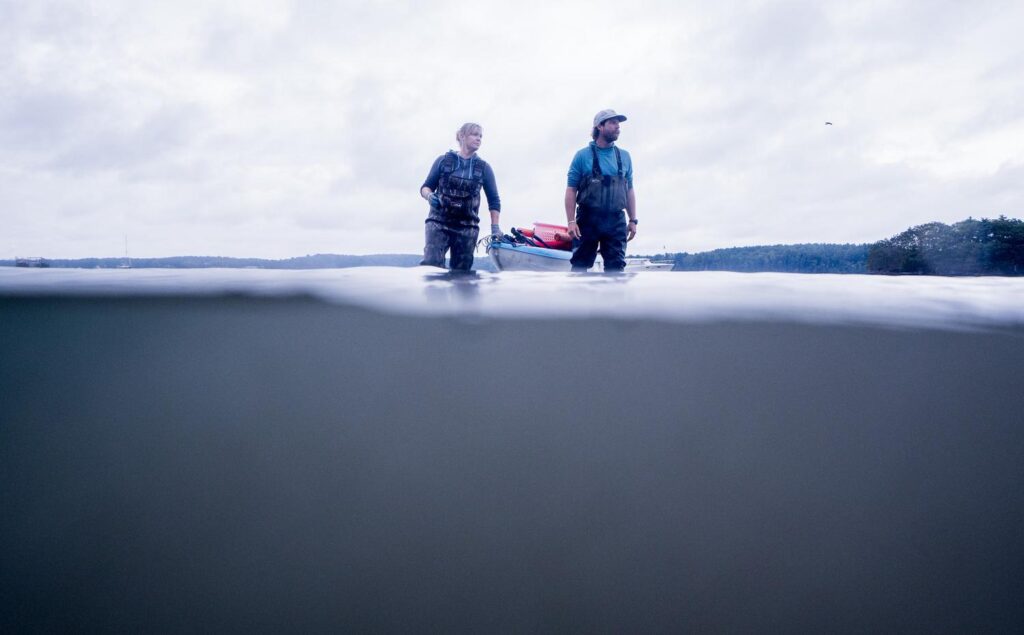
The production timeline was intensive, spanning six days of filming that often began before dawn to capture the optimal tidal conditions for both fishing and cinematography. Operating primarily out of a small skiff, Gallagher and Schaefer navigated the intricate coastline to meet with a diverse array of subjects, including oyster farmers, marine biologists, river conservationists, and restaurateurs. These twelve-hour days were designed to create a comprehensive narrative arc that moves from the identification of climate-related problems to the implementation of tangible, local solutions. By utilizing the shared language of fly fishing, Gallagher and Schaefer were able to establish immediate rapport with their subjects, facilitating deeper conversations about the future of the maritime economy.
Biological Mitigation: The Role of Oyster Aquaculture
One of the primary solutions highlighted in the series is the expansion of oyster aquaculture. During the filming, Gallagher and Schaefer met with local oyster farmers to discuss the bivalve’s role as a biological engine for water quality. A single adult oyster is capable of filtering between 40 and 50 gallons of water per day, removing excess nutrients and particulate matter that can lead to harmful algal blooms—a phenomenon that is becoming more frequent as water temperatures rise.
Beyond water filtration, oyster reefs provide essential habitat for other marine species and act as natural buffers against coastal erosion and storm surges. The film series frames oyster farming not just as a commercial enterprise, but as a critical component of a "blue economy" that balances profit with ecological restoration. Gallagher’s footage captures the bounty of these farms, illustrating how a sustainable food source can simultaneously serve as a tool for environmental remediation. The series encourages viewers to support local fisheries as a direct method of contributing to the health of the Gulf.
Restoring Aquatic Arteries: River Conservation and Dam Removal
The narrative of New Blue View extends inland, tracing the connection between the open ocean and the freshwater systems that feed into it. A significant portion of the series focuses on river restoration and the removal of obsolete dams. These structures have historically blocked the migration of anadromous fish, such as river herring (alewives), which are essential to the marine food web.
In the fourth episode, the series features Melissa Paly, the Great Bay-Piscataqua Water Keeper with the Conservation Law Foundation. Paly articulates a pragmatic view of the region’s challenges, stating that the solutions are well-understood and currently being implemented. The removal of dams allows for the free movement of nutrients and species between salt and fresh water, revitalizing ecosystems that have been fragmented for centuries. This "upriver to downriver" connection is a central theme of the project, emphasizing that the health of the deep ocean is inextricably linked to the health of inland tributaries.
Economic Resilience and the Culinary Connection
The series also examines the socio-economic implications of climate change through the lens of the seafood industry. Chef Jeremy Sewall, a fourth-generation lobsterman turned restaurant owner, provides insight into how the culinary world can drive conservation efforts. By sourcing seafood directly from local fishermen and educating consumers on the origins of their meals, Sewall and others are fostering a market that rewards sustainable practices.
This segment of the series highlights the "ripple effect" of consumer choices. When restaurants prioritize local, climate-resilient species, they provide the financial stability necessary for fishermen to adapt to changing conditions. The film suggests that every participant in the supply chain—from the harvester to the diner—has a role to play in maintaining the viability of the Gulf of Maine’s economy. This pragmatic approach to conservation reflects a broader New England ethos of self-reliance and community-focused problem-solving.
Advocacy and the American Saltwater Guides Association
Central to Captain Kyle Schaefer’s mission is his involvement with the American Saltwater Guides Association (ASGA). The organization serves as a platform for recreational guides to engage in the federal and state policy-making processes. Historically, the voice of the recreational angler has been secondary to large-scale commercial interests, but groups like ASGA are working to ensure that science-based management remains the priority.
The series illustrates how Schaefer uses his guiding business to build a community of advocates. By hosting in-person events and providing anglers with the tools to understand marine biology and policy, he is transforming a hobby into a movement. This model of "citizen science" is a key takeaway from the film, as Gallagher notes the importance of individuals contributing their specific skillsets—whether it be data collection, filmmaking, or community organizing—to the broader climate fight.
Broader Impact and the Future of Marine Conservation
New Blue View serves as more than a documentary of a specific region; it is a blueprint for how communities can respond to the global climate crisis through hyper-local action. By focusing on innovation and resilience rather than despair, the series aims to catalyze viewers to engage with their own local environments.
The collaboration between POW and 11th Hour Racing signifies a growing trend in environmental advocacy where outdoor enthusiasts and professional athletes use their platforms to drive policy change. The film series concludes with a call to action that is both diverse and accessible: volunteering for citizen science projects, supporting river restoration petitions, and making informed choices at the seafood counter.
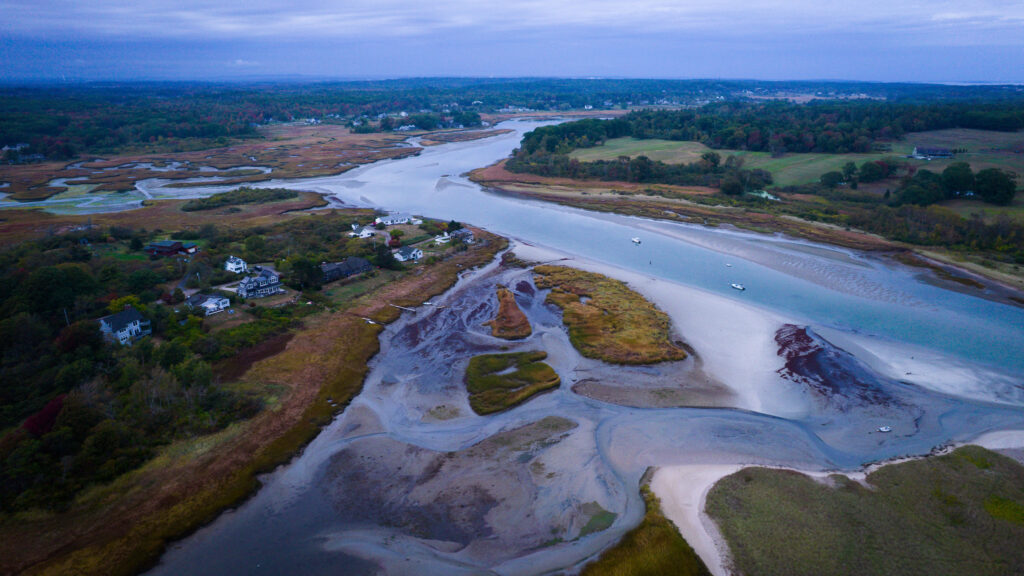
The project’s ultimate message, as articulated by Gallagher, is the importance of "tending to your own garden." By focusing on the water and soil at one’s feet, individuals can create cumulative impacts that resonate far beyond their local shores. As the Gulf of Maine continues to face unprecedented thermal challenges, the stories of innovation and cooperation captured in New Blue View provide a necessary framework for a sustainable maritime future. The series remains a testament to the power of community-driven conservation, proving that while the problems of climate change are vast, the solutions are often found in the very ecosystems we seek to protect.
