

The daily ritual at popular mountain trailheads and highway pullouts such as Turnagain Pass, Snoqualmie, and Teton Pass serves as a microcosm for a broader global contradiction. Each winter morning, lines of idling internal combustion vehicles fill the predawn darkness as enthusiasts prepare to engage with the natural world. This scene captures the central tension facing the outdoor community: the use of fossil fuels to pursue activities—skiing, snowboarding, and climbing—that are being systematically threatened by the carbon emissions those fuels produce. For organizations like Protect Our Winters (POW), the focus has shifted from individual lifestyle choices to a rigorous, data-driven push for systemic change, acknowledging that the future of the outdoor industry depends on narrow temperature margins where a single degree determines the difference between a powder day and a rain event.
The Economic and Environmental Imperative
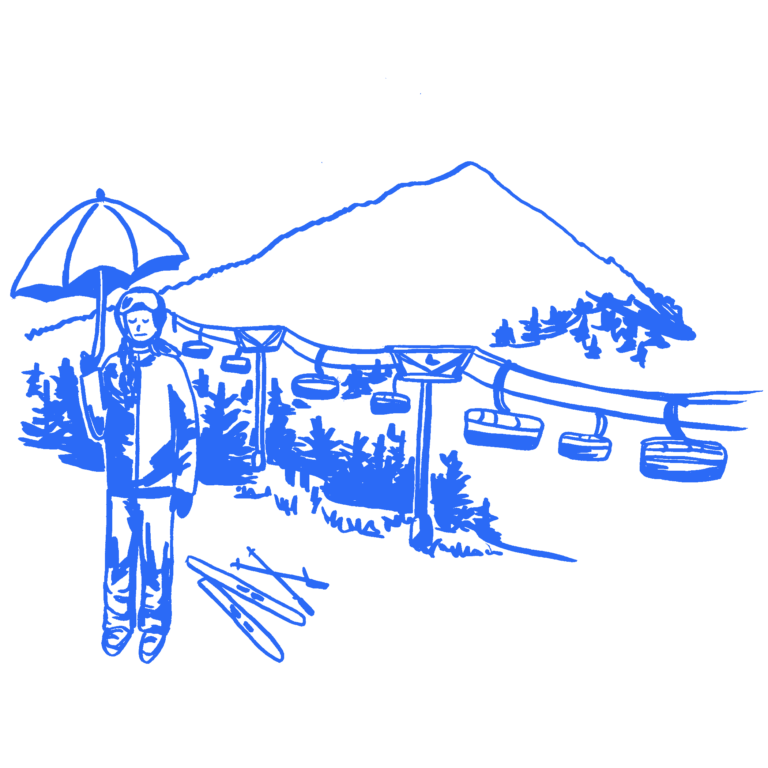
The outdoor recreation industry is no longer a niche sector of the American economy; it has evolved into a $1.3 trillion powerhouse. This economic weight provides the foundation for current advocacy efforts. According to data from the Bureau of Economic Analysis and internal reports from POW, the outdoor community represents a significant voting bloc and a major contributor to national GDP. However, this industry remains uniquely vulnerable to the volatility of a warming climate. In the last fifteen years, the cost of solar energy has plummeted by 90%, and while the United States economy has grown, carbon emissions have trended downward since 2010. Despite these gains, the "snow line" continues to retreat, and the seasonal windows for winter sports are narrowing.
The organizational philosophy of POW, founded in 2007 by professional snowboarder Jeremy Jones, is built on the premise that the leaders of the outdoor community possess an outsized ability to influence climate policy. What began as a snow-centric initiative has expanded into a multi-sport coalition involving scientists, storytellers, and global brands. The objective is to move beyond "individual guilt"—the idea that personal consumption habits are the primary driver of climate change—and toward "collective power," which seeks to overhaul the energy and policy systems that dictate how society functions.
A Chronology of Advocacy: From Awareness to Action
The evolution of Protect Our Winters reflects a broader trend in environmentalism. In its early years, the organization focused on raising awareness within the snowboarding and skiing communities. By 2010, the mission had expanded to include professional athletes from various disciplines who could serve as "trusted messengers." The timeline of the organization’s impact shows a steady escalation in political involvement:
- 2007: Founding of POW by Jeremy Jones to mobilize the winter sports community.
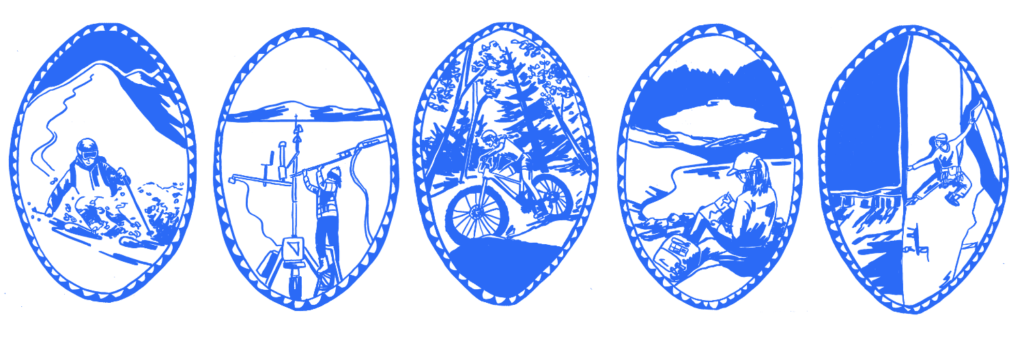
- 2012–2016: Expansion into broader outdoor sectors, including trail running and mountain biking, recognizing that climate change impacts all seasons.
- 2020–2024: Significant investment in "Get Out The Vote" (GOTV) initiatives, reaching an estimated 7.5 million people in the most recent federal election cycles.
- 2025–2026: Intensified focus on regional policy, including participation in utility commission hearings and the implementation of the "Clean Energy Campaign."
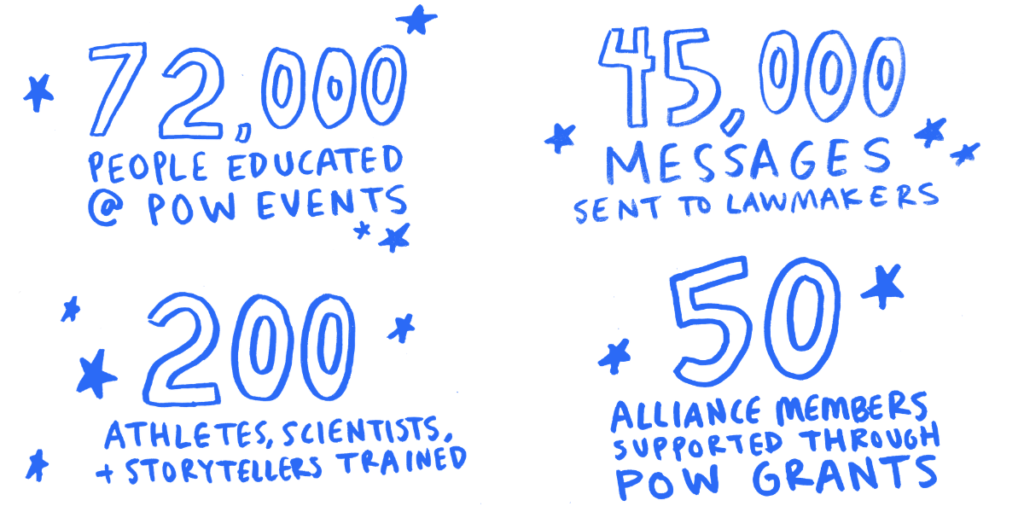
By 2026, the organization’s metrics for success had become increasingly quantifiable. Last year alone, POW trained 200 athletes, scientists, and storytellers in climate advocacy, funding 50 members to lead independent projects. These efforts resulted in over 600 specific climate actions, ranging from educational outreach to direct legislative lobbying.
The Three Pillars of Systemic Change
To address the climate crisis, POW has structured its operations around three strategic pillars: defending public lands, building clean energy infrastructure, and shifting the political landscape.
1. Defending Public Lands
Public lands act as both recreational havens and critical carbon sinks. Current policy determines whether these areas are utilized for fossil fuel extraction or for renewable energy development. POW has been active in opposing public land sell-offs included in congressional budget reconciliations and has advocated for the protection of the Arctic National Wildlife Refuge and Bears Ears National Monument. The organization argues that preserving these landscapes is an economic necessity, as they form the backbone of the $1.3 trillion recreation economy.
2. Building Renewable Infrastructure
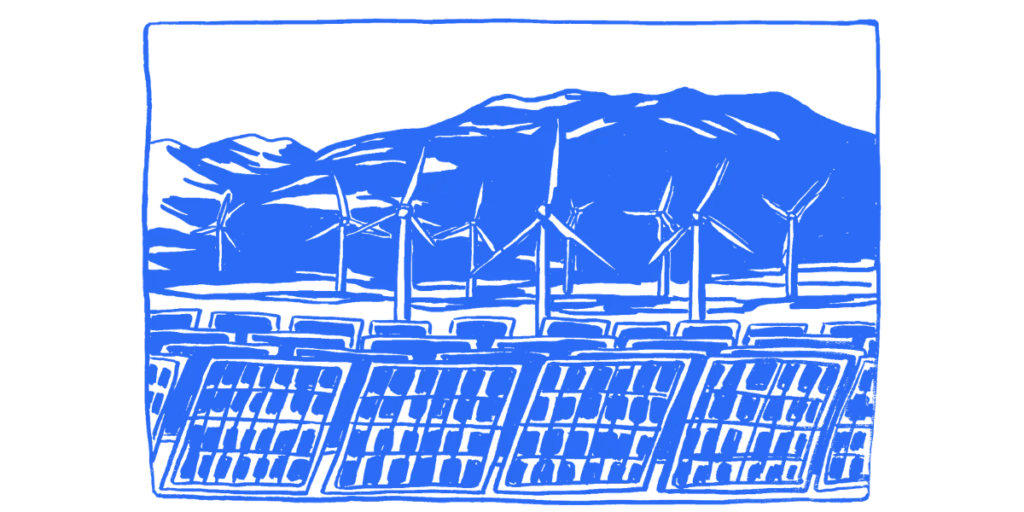
The transition to a decarbonized economy requires a massive scaling of electricity, transportation, and industrial infrastructure. In the past year, wind, solar, and battery storage accounted for 93% of new electricity capacity added to the U.S. grid. POW’s clean energy campaign has directly contributed to the realization of 297 MW of renewable energy. The organization has set a benchmark of reaching 500 MW by the end of 2026, with a long-term goal of one gigawatt (GW) by 2028. This work involves "scrappy, community-led fights" in states like Montana, Nevada, and Colorado, where local permitting and zoning often determine the fate of large-scale solar and wind projects.
3. Shifting Political Will
The final pillar focuses on the concept of "social currency." Advocacy is the mechanism by which collective action is codified into law. POW leadership notes that while many outdoor enthusiasts are passionate about the environment, voter participation in this demographic has historically lagged. To counter this, the organization has mobilized supporters to send over 47,000 messages to decision-makers and has integrated 16,000 new advocates into its active campaigns. By bringing high-profile athletes to Washington D.C. to meet with members of Congress, the organization aims to make climate advocacy a "compulsory" part of the outdoor identity.

Cultural Norms and the "New Normal"
A central component of the POW strategy is the normalization of climate-conscious behavior. The organization draws a parallel between climate action and previous cultural shifts, such as the adoption of ski helmets or the implementation of smoking bans in public spaces. In the 1990s, these changes were often met with resistance or viewed as unnecessary, yet they eventually became the standard against which the world is measured.
POW views its branding—such as the ubiquitous bumper stickers found at ski resorts—as a signal of political will. The organization argues that when an identity (being an "outdoor person") becomes a movement, it creates the power to shape the world. This "norm shifting" is supported by social science, which suggests that information travels most effectively through trusted peers rather than distant institutions. By empowering Olympians, climbers, and guides to speak at the United Nations or during World Cup tours, POW leverages the cultural capital of the outdoor community to influence broader societal values.
Regional Impact: The Montana Case Study
The effectiveness of this grassroots approach was recently demonstrated during a Montana Public Service Commission (PSC) hearing in the summer of 2026. The hearing focused on long-term resource planning and the future of the state’s energy mix. Representatives from POW traveled six hours to attend the session, ultimately constituting nearly one-third of the participants in the room.
While other environmental organizations may focus on litigation or technical engineering, POW’s role is to provide the "social currency" and public pressure necessary to make renewable energy transitions politically viable. This presence at low-level, often tedious administrative meetings is where the organization believes the "real work" of decarbonization occurs. By showing up at county commission meetings and city planning sessions, they ensure that the interests of the outdoor community are represented in the "thankless work" that precedes major legislative wins.
Analysis of Broader Implications
The strategy employed by Protect Our Winters represents a departure from traditional environmentalism. By focusing on a specific, high-affinity demographic, the organization avoids the pitfalls of generalized messaging. The focus on the "outdoor state"—a term used to describe the collective of hunters, anglers, skiers, and hikers—allows for a non-partisan approach to climate policy.
Data indicates that a large majority of Americans, regardless of political affiliation, support investment in renewable energy and the protection of public lands. Approximately 76% of the public expresses a desire to understand how climate change impacts their cost of living. POW’s mission is to translate this "quiet agreement" into "bold action." The transition from internal combustion engines to electric vehicles at trailheads is viewed not just as a technological shift, but as a symbolic victory in the fight to maintain a "right-side-up snowpack."
Conclusion: The Roadmap to 2028
As Protect Our Winters moves toward its 2028 goals, the focus remains on the intersection of passion and responsibility. The organization maintains that climate change is a solvable problem, provided that the outdoor community continues to exert its economic and social influence. The upcoming years will likely see an intensification of efforts in key geographies where energy policy is currently being debated.
The "assignment," as defined by POW leadership, is to ensure that the systems governing society—energy, policy, and economy—are decoupled from carbon. While the organization acknowledges that its work is not "perfect," it argues that the urgency of the climate crisis precludes waiting for perfect solutions. Success is measured not by organizational growth, but by the measurable health of the planet’s alpine and wild spaces. For the millions of people who find their identity in the mountains and on the trails, the next phase of this movement will be defined by their willingness to stand up for the winters, waters, and wild places they inhabit.
