

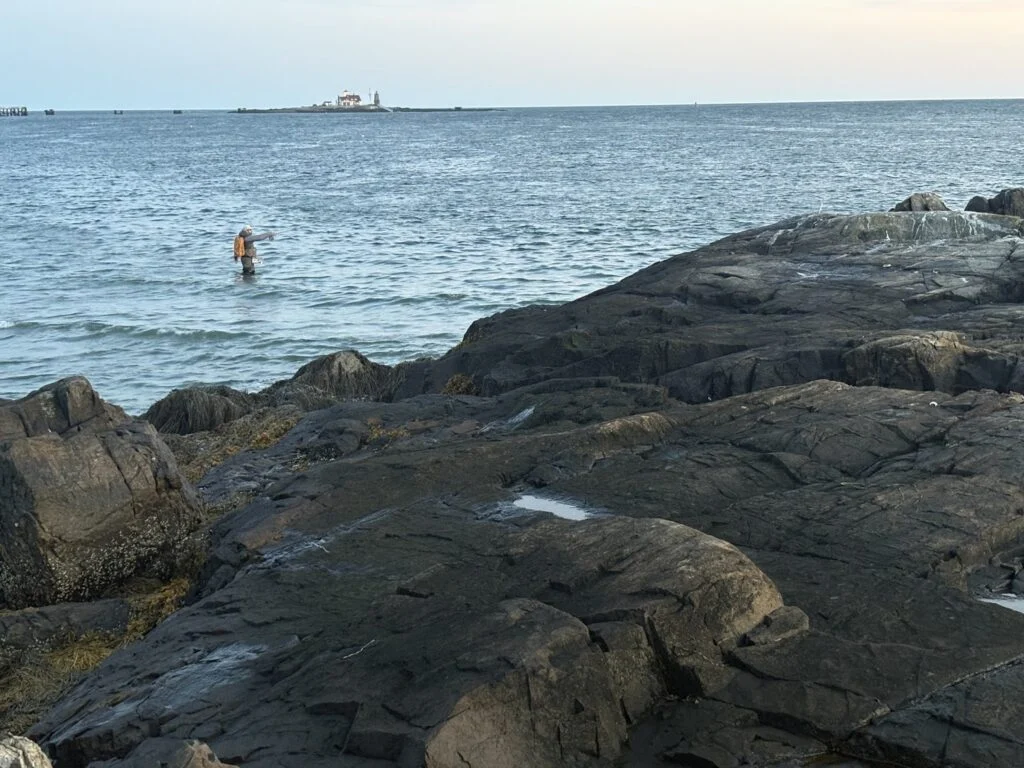
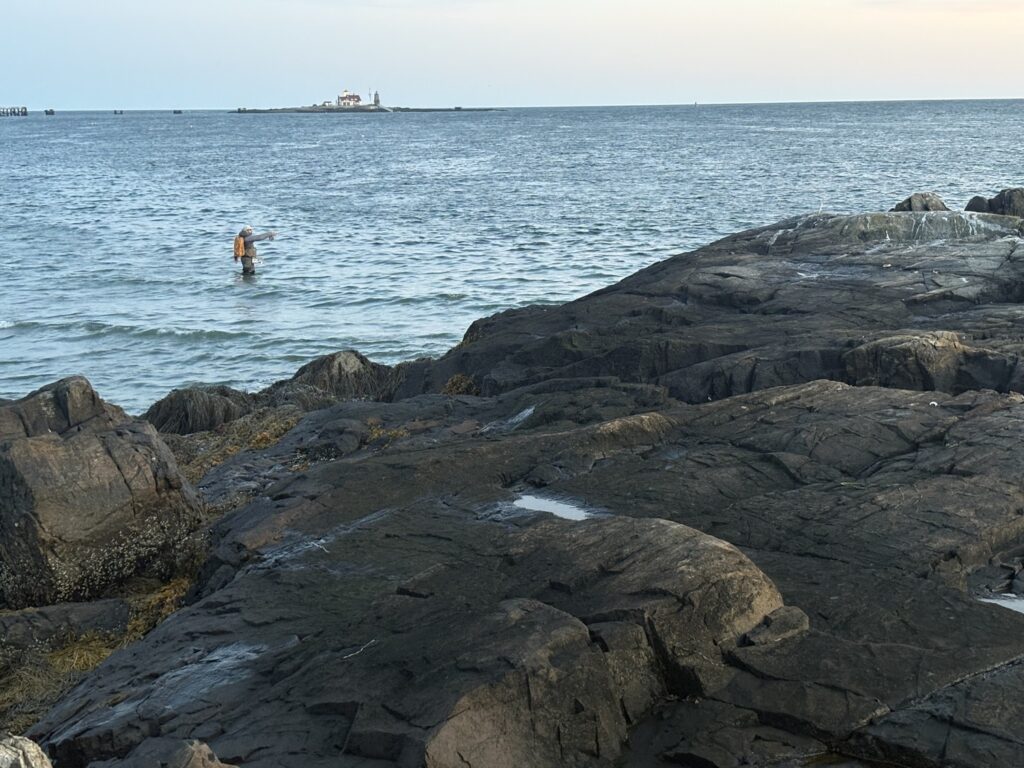
A new five-part documentary series titled New Blue View has been launched to document the intersection of recreational angling, marine conservation, and climate change within the Gulf of Maine. Supported by the climate advocacy group Protect Our Winters (POW) and 11th Hour Racing, the project follows filmmaker Liam Gallagher and local fishing guide Captain Kyle Schaefer as they traverse the region to highlight localized responses to a global environmental crisis. The series arrives at a critical juncture for the North Atlantic, as scientific data confirms that the Gulf of Maine is undergoing ecological shifts more rapid than almost any other marine environment on Earth.
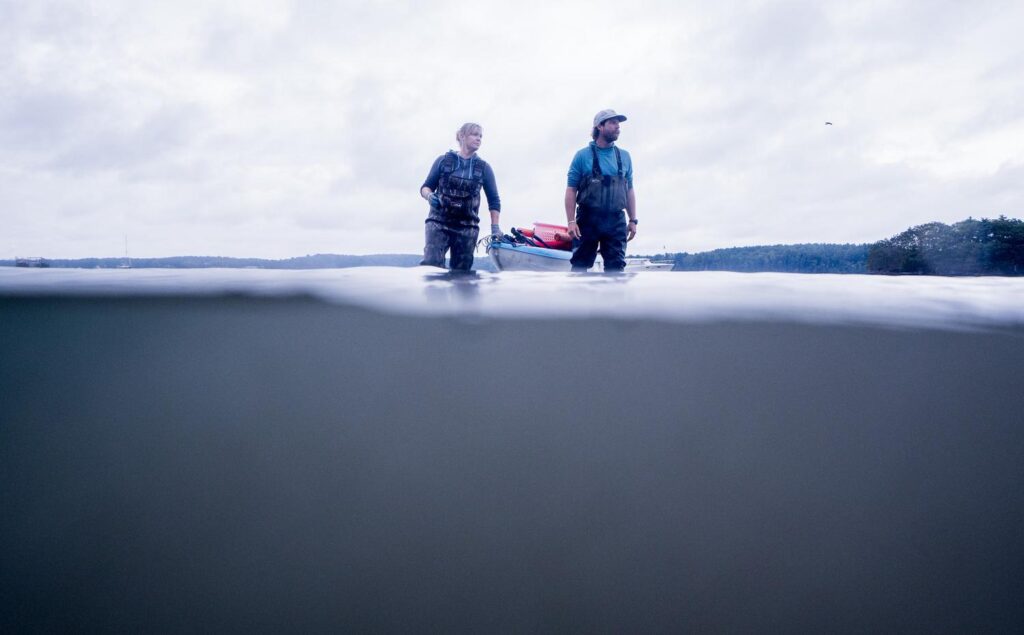
The production of New Blue View involved an intensive six-day filming period in September, characterized by twelve-hour days spent largely on the water. The narrative structure of the series centers on the relationship between the two fishermen—Gallagher, a member of the POW Creative Alliance from Washington, and Schaefer, a Maine-based outfitter. Through their lens, the film documents a diverse array of stakeholders, including oyster farmers, research scientists, conservationists, and culinary professionals, all of whom are adapting to the changing thermal profile of the Atlantic.
Environmental Context: The Rapidly Warming Gulf of Maine
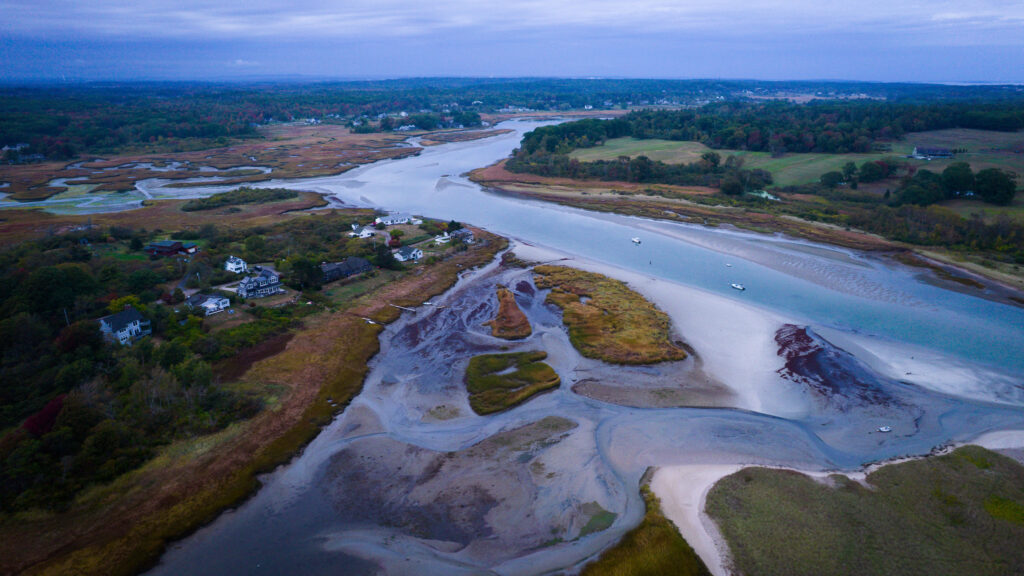
The Gulf of Maine, a semi-enclosed sea stretching from Cape Cod in Massachusetts to the Canadian provinces of New Brunswick and Nova Scotia, is currently a focal point for global climate research. Data from the Gulf of Maine Research Institute (GMRI) indicates that the body of water is warming faster than 97% of the world’s oceans. This accelerated warming is attributed to a combination of factors, including shifts in the Gulf Stream, which is pushing warmer, saltier water into the region, and a weakening of the cold Labrador Current.
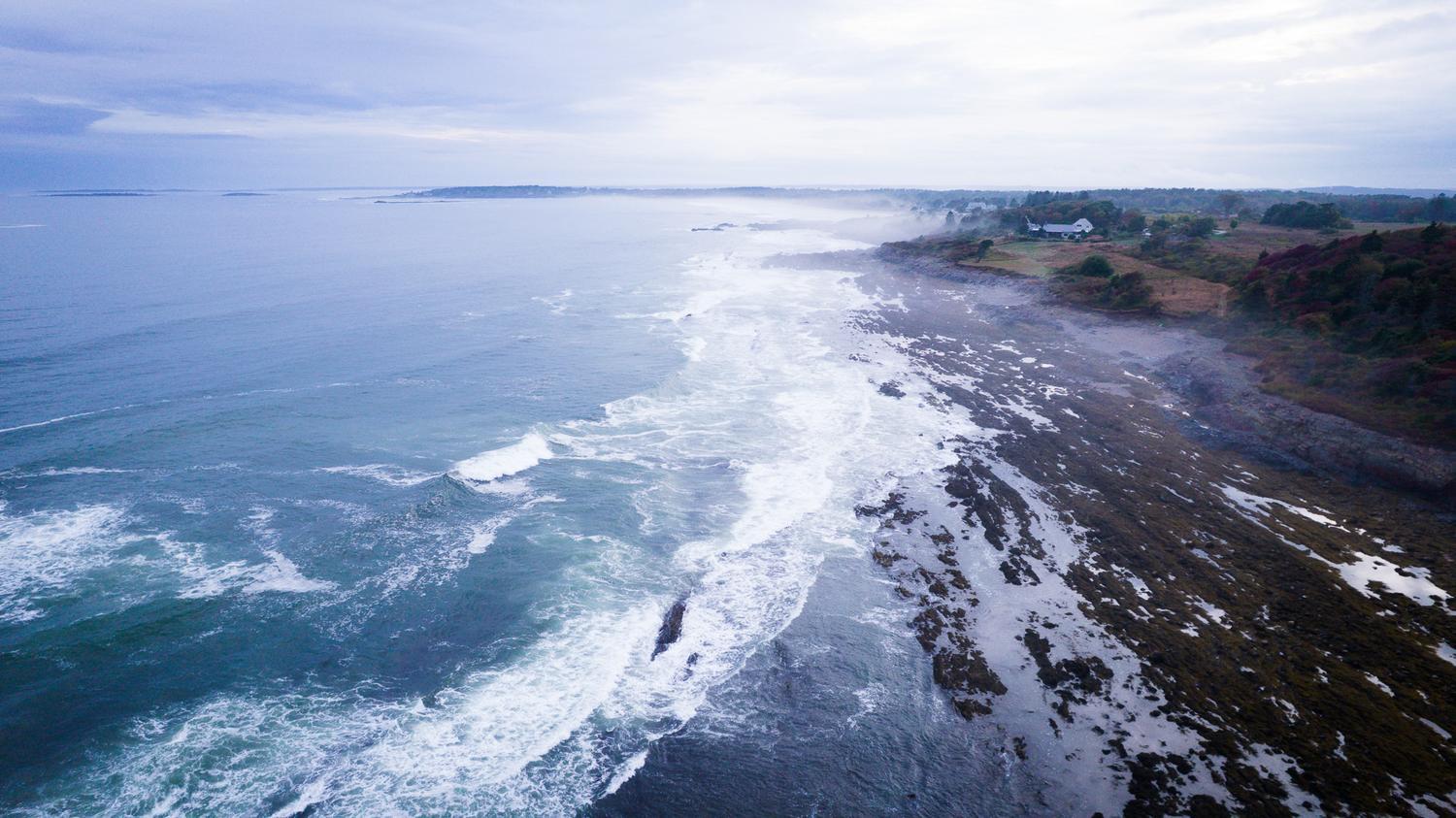
For Captain Kyle Schaefer, who has fished these waters since childhood, the statistics are reflected in the daily reality of his profession. The arrival of southern species, the changing migration patterns of traditional game fish, and the shifting seasonality of the ecosystem have transformed the Gulf from a predictable environment into what Schaefer describes as a "mystery right here on earth." The series utilizes Schaefer’s local expertise to anchor the scientific data in lived experience, illustrating how rising temperatures affect the livelihoods of those dependent on the sea.
The ecological implications of this warming are profound. As water temperatures rise, the capacity of the water to hold oxygen changes, and the timing of phytoplankton blooms—the foundation of the marine food web—is altered. These shifts propagate through the trophic levels, affecting everything from northern shrimp and Atlantic cod to the iconic American lobster. New Blue View posits that while these changes are daunting, they have also catalyzed a unique brand of New England pragmatism aimed at mitigation and adaptation.
The Role of Aquaculture and Bivalve Science
One of the primary focal points of the series is the burgeoning oyster aquaculture industry in Maine. During the filming, Gallagher and Schaefer met with local oyster farmers to discuss the biological benefits of bivalve cultivation. Oysters serve as natural water filtration systems; a single adult oyster can filter between 40 and 50 gallons of water per day, removing excess nutrients and suspended solids. This process improves water clarity and helps prevent harmful algal blooms, which can be exacerbated by warming waters and nitrogen runoff.
Beyond filtration, oyster reefs provide complex habitats for other marine species and act as natural buffers against coastal erosion. The film highlights how the growth of the oyster industry in the Gulf of Maine represents a "win-win" scenario: it provides a sustainable, climate-resilient economic engine for coastal communities while simultaneously improving the health of the estuary ecosystems. The dialogue between the fishermen and the farmers emphasizes the necessity of viewing commercial aquaculture not just as a food source, but as a critical component of marine restoration.
River Restoration and the Connectivity of Ecosystems
The documentary also investigates the vital link between freshwater systems and the open ocean. A significant portion of the series is dedicated to river conservation and the removal of obsolete dams. In episode four, the production explores how removing barriers in New England’s rivers allows anadromous species, such as river herring (alewives and blueback herring), to return to their ancestral spawning grounds.
These fish serve as a crucial nutrient bridge. When they migrate from the ocean to freshwater lakes and ponds, they carry marine-derived nutrients that support inland ecosystems. Conversely, as they return to the sea, they provide a massive forage base for larger predators, including the striped bass and bluefish targeted by recreational anglers. The film features insights from Melissa Paly, a Great Bay-Piscataqua Water Keeper with the Conservation Law Foundation, who argues that the solutions to these complex problems are often straightforward. Paly notes that while the scale of climate change is massive, the mechanics of river restoration are well-understood and yield immediate, tangible benefits for biodiversity.
Community-Led Advocacy and Science-Based Management
A recurring theme throughout New Blue View is the importance of community-led advocacy. Captain Schaefer’s involvement with the American Saltwater Guides Association (ASGA) is highlighted as a model for how recreational stakeholders can influence policy. The ASGA focuses on science-based management, advocating for regulations that ensure the long-term sustainability of fish stocks rather than short-term harvest yields.
By engaging in "citizen science," anglers can provide researchers with valuable data points that would otherwise be impossible to collect. This includes tracking water temperatures, reporting unusual species sightings, and participating in catch-and-release studies. The film suggests that the transition from a passive observer to an active participant in conservation is essential for the future of the sport and the environment.
The series also brings in the perspective of the hospitality industry, featuring Chef Jeremy Sewall, a fourth-generation lobsterman and restaurant owner. Sewall emphasizes the role of the consumer in the climate equation. By sourcing seafood from local, sustainable fisheries, chefs and diners can reduce the carbon footprint associated with long-distance transport and support the economic resilience of local fishing fleets. This "pier-to-plate" philosophy is presented as a practical way for the public to engage with marine conservation.
Analysis of Implications: The Ripple Effect of Local Action
The overarching philosophy of New Blue View is summarized by Liam Gallagher’s directive to "tend to your own garden." This approach addresses the psychological barrier of "climate anxiety," where the global scale of the problem leads to individual paralysis. By focusing on the "dirt or the water at your feet," the series argues that localized actions create a ripple effect that can influence broader systemic change.
From a journalistic perspective, the series serves as a case study in "solutions journalism." Rather than focusing solely on the degradation of the Gulf of Maine, it highlights the innovative strategies being deployed to counter these trends. The implications are clear: the future of the Gulf of Maine—and by extension, other rapidly warming marine environments—depends on a multi-disciplinary approach that integrates traditional knowledge, scientific research, and proactive policy advocacy.
The collaboration between POW and 11th Hour Racing also signals a shift in the outdoor industry’s approach to climate change. Historically, organizations like POW focused heavily on the "winter" aspect of their mission, such as snowpack and glacier melt. Expanding their focus to "blue" ecosystems acknowledges the interconnectedness of the planet’s water cycles. The melting of terrestrial ice contributes to sea-level rise and changes in ocean salinity, which in turn affects the marine habitats explored in the series.
Conclusion and Calls to Action
As New Blue View reaches its audience, the creators emphasize that the film is intended to be a catalyst for engagement. The series concludes with a variety of actionable steps for viewers, ranging from supporting river restoration petitions to making informed choices at the seafood counter. For the recreational angling community, the message is one of responsibility: protecting the species they pursue requires a commitment to protecting the habitats those species inhabit.
The Gulf of Maine continues to serve as a bellwether for the global ocean. The resilience shown by the scientists, farmers, and fishermen in the series provides a blueprint for other coastal regions facing similar thermal shifts. While the challenges of a warming ocean are unprecedented, the New Blue View project suggests that through community connectivity and science-based action, the "mystery right under our nose" can be preserved for future generations.
The five-part series is currently available for public viewing, offering a comprehensive look at one of the most rapidly changing environments on the planet and the people who refuse to let it disappear without a fight. By documenting these "ripples" of change, Gallagher and Schaefer have created more than just a fishing film; they have produced a document of a community in transition, striving for a sustainable future amidst the rising tide of climate change.
