

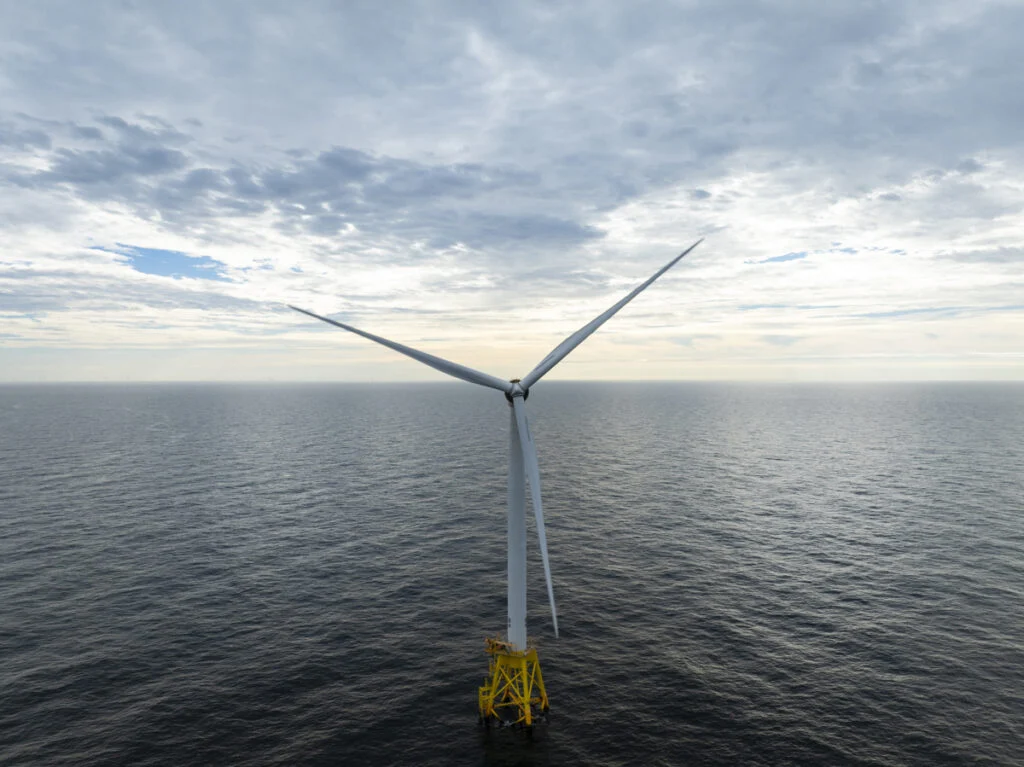
The release of the documentary short film Beyond the Horizon this month marks a significant attempt to address the escalating friction surrounding the deployment of offshore wind energy in American waters. Produced by Dan Holz, a filmmaker and member of the POW Creative Alliance, the film arrives at a critical juncture for the domestic energy sector, seeking to parse the complex layers of scientific data, political rhetoric, and environmental concerns that have made offshore wind one of the most polarized topics in modern infrastructure development. As the United States grapples with the dual pressures of climate change and energy independence, Holz’s work serves as an investigative tool designed to distinguish empirical evidence from the pervasive disinformation that has recently stalled several major projects.
The Landscape of Controversy and the Filmmaker’s Objective
The impetus for Beyond the Horizon stems from a growing divide in public and political discourse. On one side, proponents view offshore wind turbines as a cornerstone of the clean energy transition, capable of providing massive amounts of carbon-free electricity to coastal population centers. On the other, a vocal opposition—fueled by political figures and specific interest groups—characterizes these installations as a threat to maritime ecosystems, national security, and economic stability.
Dan Holz, based in Washington state, began the project after noticing the intensity of the debate in New England and other coastal regions. His investigation, which he describes as an "onion of learning," involved peeling back layers of conflicting narratives to reach the core of the scientific consensus. The film, which is currently streaming online and scheduled for various environmental film festivals, focuses on the Block Island Wind Farm and subsequent developments as case studies for the industry’s potential and its pitfalls.
A Chronology of U.S. Offshore Wind Development
The trajectory of offshore wind in the United States has been marked by slow initial progress followed by a surge of federal interest, and more recently, significant political and legal headwinds.
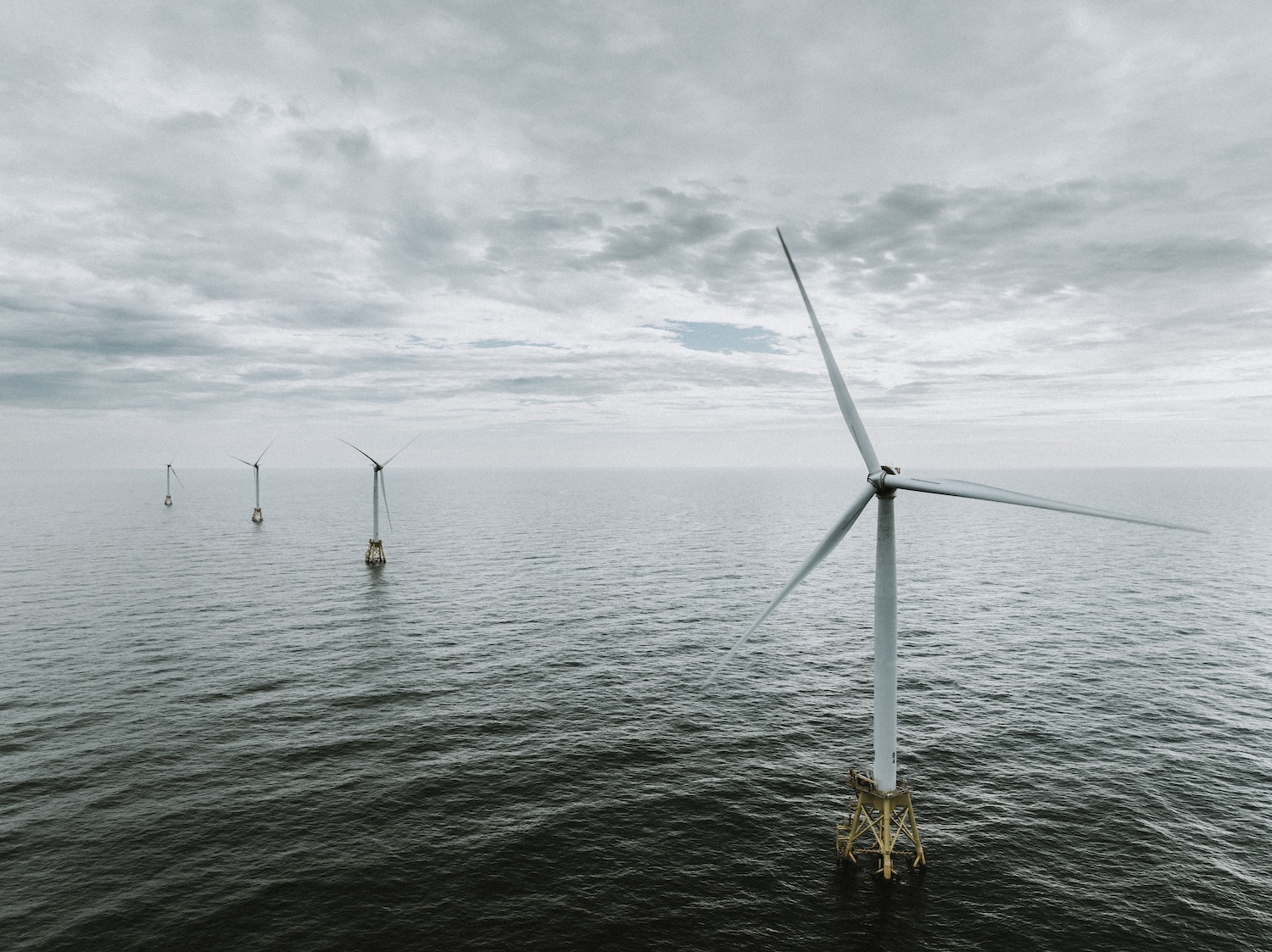
- 2016: The Genesis. The Block Island Wind Farm, located off the coast of Rhode Island, became the first commercial offshore wind project in the U.S. Consisting of five turbines, it served as a proof-of-concept for the industry.
- 2016–2025: Expansion and Study. Following the success of Block Island, federal leases were granted for larger arrays off the coasts of Virginia and New York. During this period, the National Oceanic and Atmospheric Administration (NOAA) began tracking an "Unusual Mortality Event" (UME) involving humpback whales along the Atlantic coast, providing a baseline for environmental impact assessments.
- January 2026: Political Shift. During a high-profile meeting with oil and gas executives, the Trump Administration reaffirmed its opposition to the sector. President Trump explicitly stated his goal to halt all "windmill" construction, citing concerns over costs, aesthetics, and bird mortality.
- August 2026: Project Cancellations. Following executive pressure, several major projects, including those led by developers like RWE, faced significant hurdles or cancellations, citing regulatory uncertainty and national security risks.
- October 2026: The Release of Beyond the Horizon. The film is released to counter the prevailing political narrative with scientific data and on-the-ground reporting.
Debunking Environmental Myths: The Whale Mortality Question
One of the most persistent arguments against offshore wind is the claim that turbine installation and operation are responsible for a spike in whale deaths. However, scientific evidence compiled by NOAA Fisheries and analyzed in the film suggests a different reality. Since 2016, researchers have been investigating whale mortalities along the Eastern Seaboard. Their findings consistently point to two primary causes: vessel strikes and entanglement in fishing gear.
The warming of the North Atlantic has altered the distribution of prey species, forcing whales and porpoises into shallower, more congested shipping channels. As these marine mammals follow their food sources into areas with high commercial traffic, the frequency of collisions with large container ships has increased. "What’s really happening is the water is warming," Holz noted in his research, "and that’s bringing the path of migrating whales into shallower channels." To date, NOAA has found no evidence linking the deaths of large whales to the acoustic or physical presence of offshore wind turbines.
Technological Mitigation and Acoustic Management
Earlier iterations of offshore wind technology were criticized for the noise pollution generated during the "pile driving" phase of construction. Critics argued that these sounds could disorient marine life. In response, the industry has undergone a technological evolution. Modern regulations now stipulate strict underwater noise ceilings.
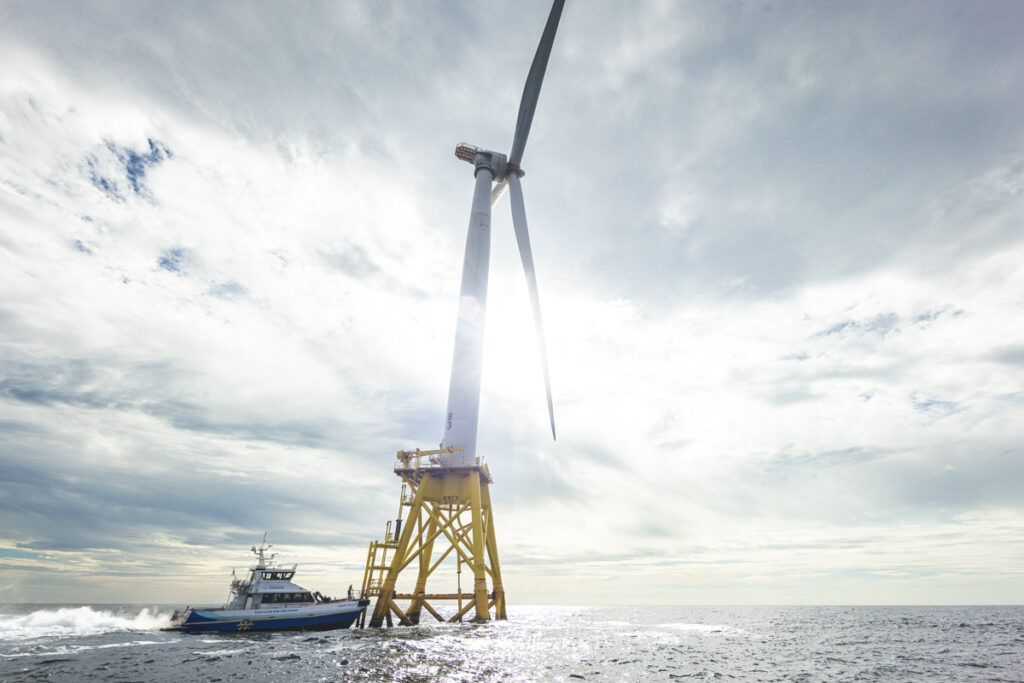
Current projects utilize "bubble curtains" and other sound-dampening technologies that have successfully mitigated over 80 percent of the noise associated with installation. These advancements ensure that the construction process is virtually silent to the human ear on shore and significantly less disruptive to marine life underwater. Sarah Von Hoene, a marine ecologist featured in the film, emphasizes that while the industry must remain vigilant, the coexistence of offshore wind and healthy marine ecosystems is supported by current data.
Economic Implications and the Domestic Supply Chain
A frequent political talking point is the assertion that wind turbines are primarily manufactured in China, resulting in a net loss for the American economy. However, data from the American Clean Power Association contradicts this. Currently, over 500 manufacturing facilities across the United States are involved in the production of wind turbine components, including blades, towers, and generators.
The economic potential of the sector is substantial. In the U.S., 44 federal leases currently have the capacity to generate approximately 73,000 MW of energy. This output is sufficient to power more than 21 million homes and is projected to create 18,000 jobs within the industry. Furthermore, a July 2025 study by RENEW Northeast indicated that offshore wind could lower utility bills for consumers in the Northeast by between $1.32 and $2.68 per month, providing a hedge against the volatile prices of fossil fuels.
National Security and Radar Interference
The Trump Administration has frequently cited national security as a reason to oppose offshore wind, specifically pointing to the potential for turbines to interfere with military and civilian radar systems. While it is true that large structures can create "clutter" on radar screens, this is a known technical challenge that the U.S. Department of Defense (DOD) and the Department of Energy (DOE) have been actively addressing.
Collaborative programs between these departments are currently developing software upgrades and hardware modifications to mitigate radar interference. The consensus among technical experts is that these issues are manageable through proper siting and technological integration, rather than being an insurmountable barrier to energy development.
The Culture of Silence and Political Polarization
Perhaps the most revealing aspect of Holz’s documentary is the difficulty encountered when trying to secure interviews. Many stakeholders—including developers, commercial fishermen, and even scientists—refused to speak on camera.
Developers often cited ongoing litigation or sensitive contract negotiations. Fishermen expressed a fear of social ostracization or professional retaliation within their communities for appearing to support the industry. Most concerning, however, was the hesitation of scientists, some of whom feared that discussing their findings could jeopardize future grant funding in a highly politicized environment.
Sarah Von Hoene attempted to bridge this gap by engaging in direct community outreach, taking to the streets of New England towns to spark discussions. The film highlights that the "facts" are often obscured not by a lack of data, but by the "narratives" constructed to serve specific political or economic ends.
Broader Impact and the Future of the U.S. Grid
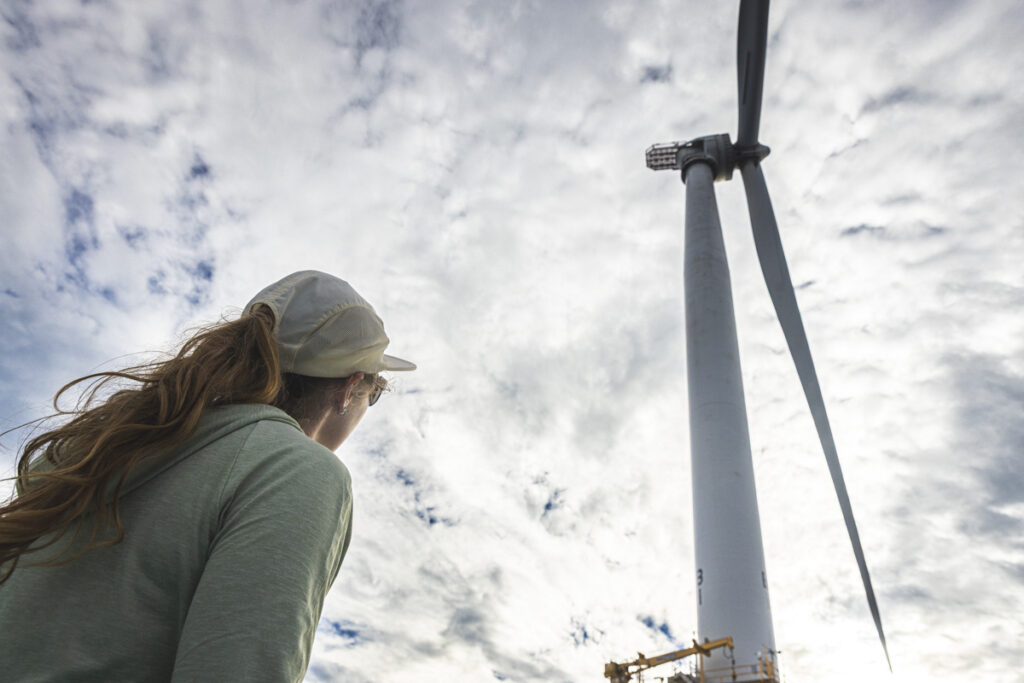
The total potential for offshore wind in U.S. federal waters is estimated at over 4,200 GW. To put this in perspective, this capacity is more than three times the current total energy demand of the entire country. While land-based wind turbines currently generate about 10.5 percent of America’s electricity, the offshore sector remains an almost entirely untapped resource.
The transition to offshore wind is not merely about environmental stewardship; it is an issue of energy density and proximity. Most of the U.S. population lives near the coast, where land for large-scale solar or onshore wind is scarce and expensive. Offshore wind provides a solution by placing high-capacity generators near the points of highest demand.
As Beyond the Horizon makes its way through the festival circuit, the goal of the POW Creative Alliance and Dan Holz is to foster a more informed electorate. The film argues that if the United States is to meet its energy needs while maintaining economic competitiveness and environmental health, it must move past the era of disinformation. By providing a transparent look at the science and the scale of the opportunity, the project seeks to empower citizens to make decisions based on evidence rather than rhetoric. The future of the American horizon, it suggests, depends on the ability to see clearly through the fog of controversy.
