

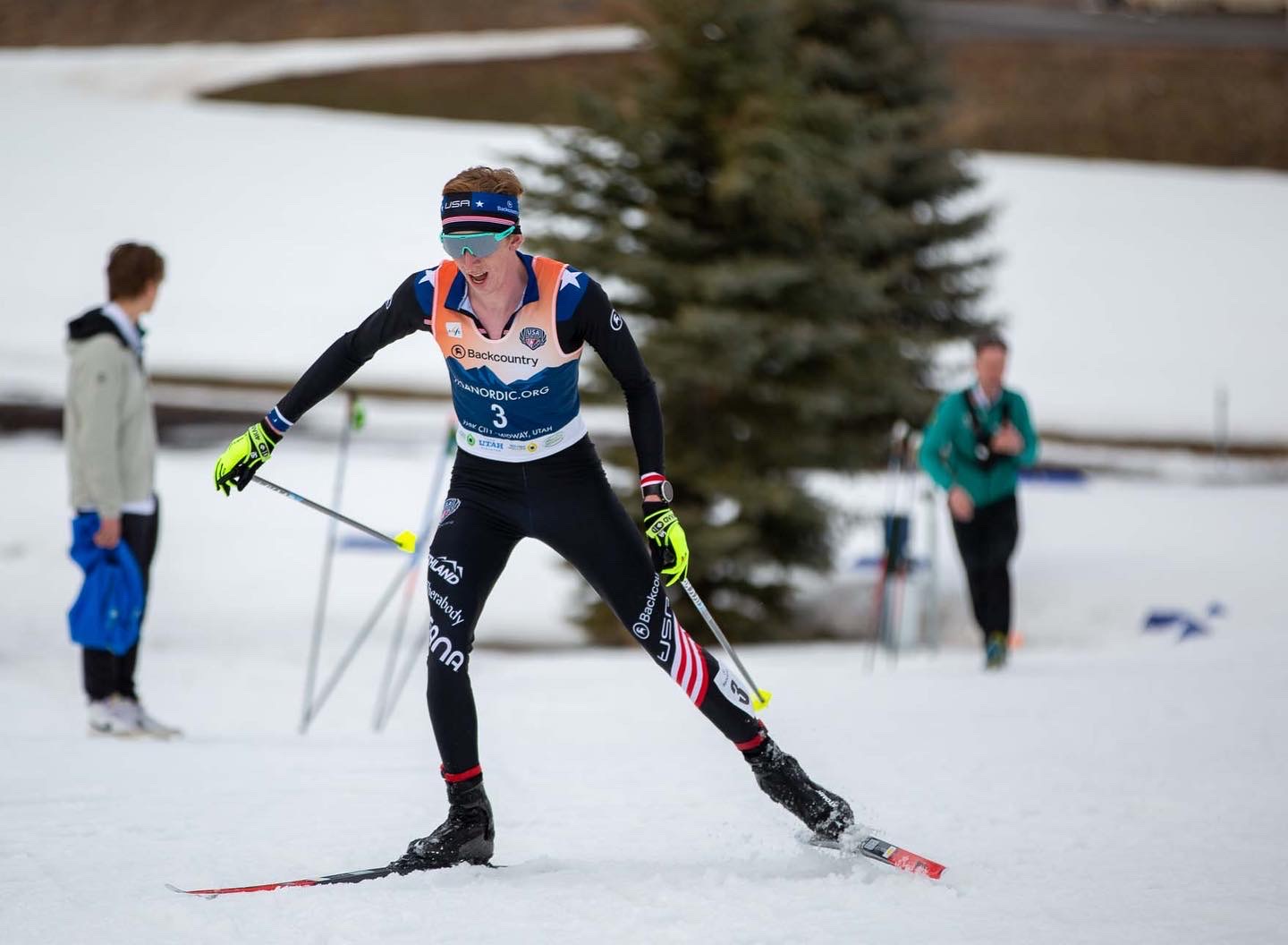
The 2024 United States presidential election has catalyzed a significant career transition for Jared Shumate, a 2022 Winter Olympian and prominent advocate for environmental conservation. Shumate, a Nordic Combined athlete from Park City, Utah, announced his decision to pursue a Master’s in Public Policy following the election of Donald Trump to a second term. This move highlights a growing trend among professional athletes and outdoor industry stakeholders who are increasingly seeking formal expertise to influence federal environmental regulations and land management policies. Shumate’s decision was prompted by the anticipated shifts in the Environmental Protection Agency’s (EPA) mandate and the potential expansion of extractive industries on federal lands, factors that he argues pose a direct threat to the geography of the American West.
Chronology of the Transition: From the Backcountry to the Classroom
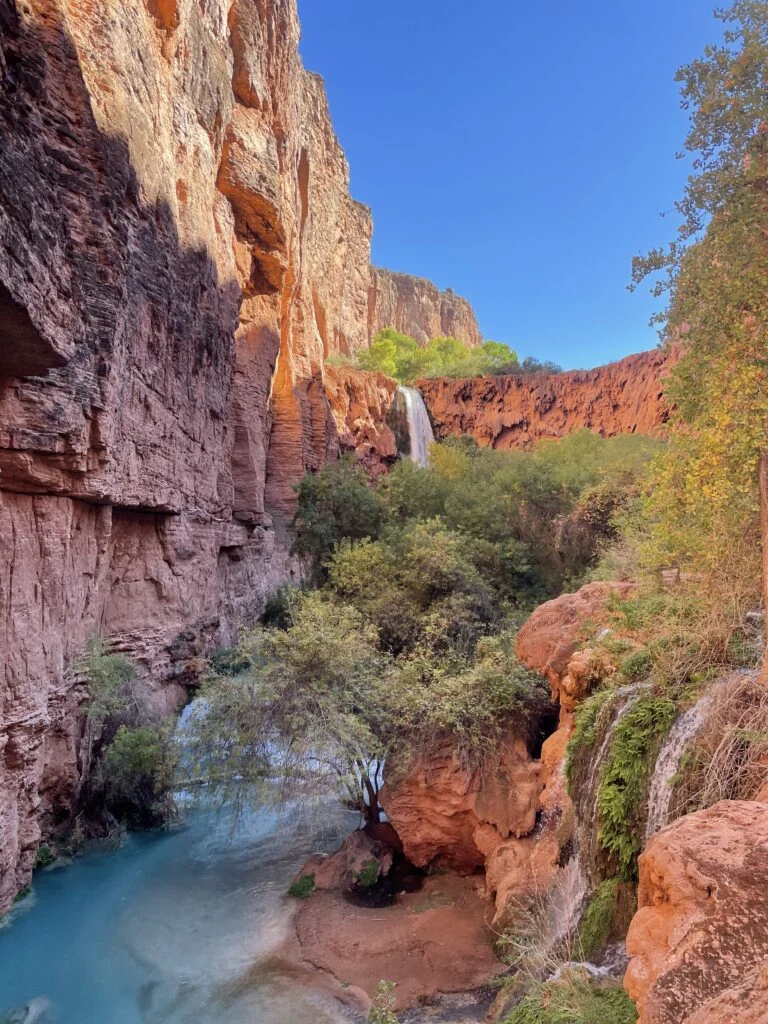
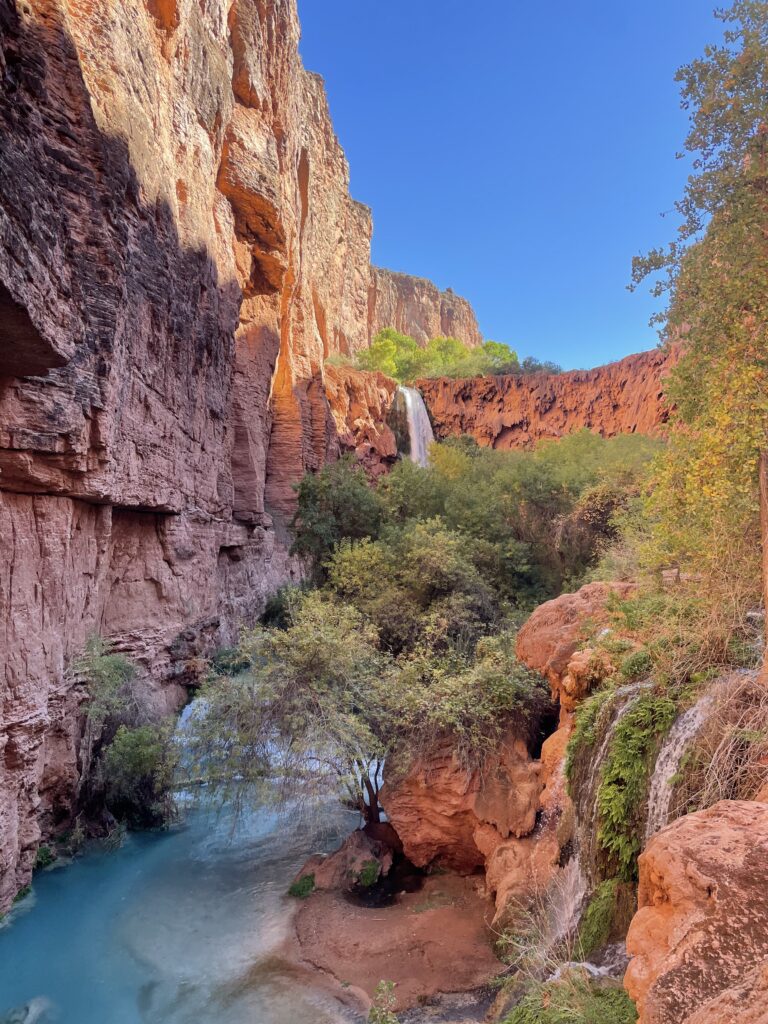
The timeline of Shumate’s decision-making process began in early November 2024, during a period of intentional digital disconnection. While the majority of the global population received election results in real-time, Shumate was navigating the remote canyon country of Arizona on a backpacking expedition. On November 5, election day, Shumate remained isolated from cellular service, hypothesizing on the potential outcomes and their implications for the very landscapes he was traversing.
It was not until three days after the election concluded that Shumate returned to an area with telecommunications infrastructure. Upon regaining access to news outlets, he was met with the confirmation of Donald Trump’s victory. According to Shumate, the delay in receiving the news provided a unique perspective, juxtaposing the physical permanence of the wilderness with the rapid volatility of political cycles. The immediate reaction was one of professional and personal concern regarding the future of clean air and water protections.
Within minutes of processing the election results and the projected policy platform of the incoming administration, Shumate committed to returning to academia. Having already earned a degree in geography and environmental science, he identified a Master’s in Public Policy as the necessary next step to bridge the gap between grassroots advocacy and legislative influence. This transition marks a shift from his previous roles as a door-to-door canvasser in Bozeman, Montana, and a voter registration organizer at the University of Utah, toward a more systemic approach to environmental governance.
Contextual Background: Environmental Policy and the Second Trump Administration
The concerns expressed by Shumate and organizations like Protect Our Winters (POW) are rooted in the environmental record of the first Trump administration (2017–2021). During that period, the administration initiated the reversal of approximately 100 environmental rules and regulations. Key actions included the withdrawal from the Paris Agreement, the replacement of the Clean Power Plan, and the significant reduction in the size of national monuments such as Bears Ears and Grand Staircase-Escalante in Utah.
Data from the Brookings Institution and the Harvard Law School Environmental & Energy Law Program indicate that the first Trump term focused heavily on "energy independence" through the deregulation of the fossil fuel industry. This involved streamlining the permitting process for oil and gas drilling on public lands and weakening the National Environmental Policy Act (NEPA) requirements.
For athletes like Shumate, who rely on stable winter climates and preserved public lands for their livelihood and sport, these policy shifts represent more than abstract political debate. The "Outdoor State"—a term used to describe the collective of 180 million Americans who participate in outdoor recreation—views these changes as a direct threat to an industry that contributes significantly to the national economy.
Supporting Data: The Economic and Political Weight of the Outdoor Industry
The decision by Shumate to professionalize his advocacy comes at a time when the outdoor recreation economy is reaching record valuations. According to the U.S. Bureau of Economic Analysis (BEA), the outdoor recreation economy accounted for $1.1 trillion in gross economic output in 2022, representing 2.2% of the U.S. Gross Domestic Product (GDP). The sector also supports nearly 5 million jobs across the country.
In states like Utah and Montana, where Shumate has focused his advocacy, the outdoor industry is a primary economic driver. In Montana, outdoor recreation accounts for roughly 4.3% of the state’s GDP, one of the highest percentages in the nation. This economic data provides the leverage that organizations like Protect Our Winters use when lobbying in Washington, D.C.
Furthermore, voter data suggests that outdoor enthusiasts are a potent political demographic. Internal metrics from advocacy groups suggest that if the "Outdoor State" voted at the same rates as other major interest groups, they could significantly sway outcomes in swing states where public land use is a central issue, including Arizona, Nevada, and Colorado. Shumate’s pivot to public policy aims to harness this economic and demographic data to ensure that conservation remains a bipartisan priority.
Official Responses and Advocacy Perspectives
While the incoming administration has characterized its environmental stance as a necessary move toward economic deregulation and domestic energy security, advocacy groups have responded with increased mobilization. Protect Our Winters, an organization with which Shumate is a "Ski Alliance" member, has emphasized that the 2024 election results necessitate a more rigorous, data-driven approach to climate policy.
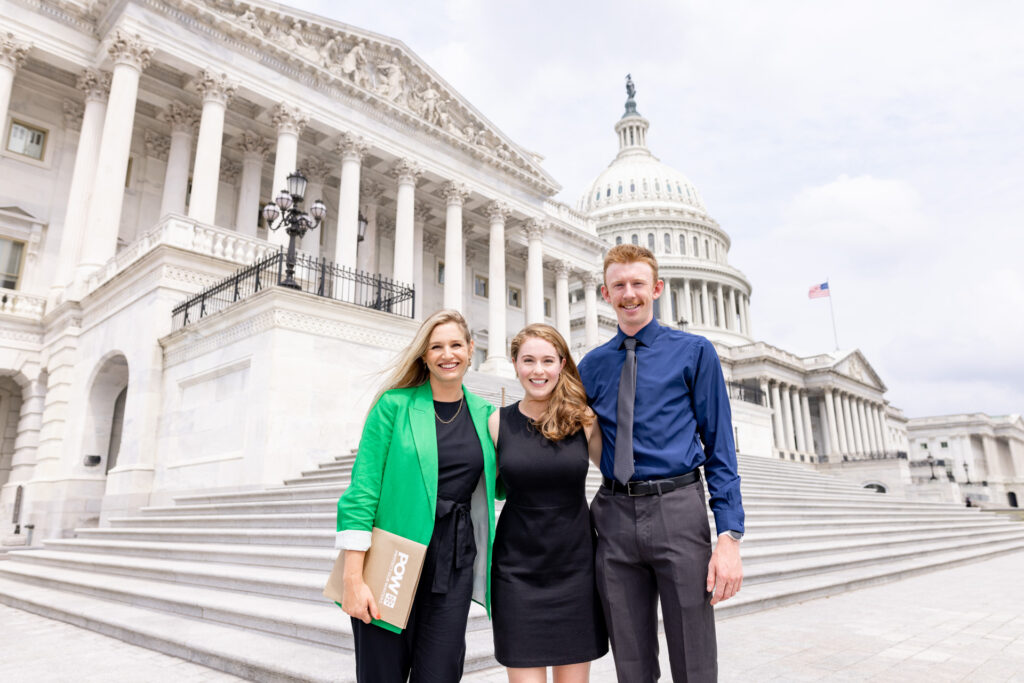
"Action, regardless of what shape it takes, is always better than apathy," Shumate stated, reflecting a sentiment shared by many in the professional athlete community. His previous experience with POW included lobbying trips to Washington, D.C., where he met with lawmakers to discuss the impact of climate change on the winter sports industry. These experiences highlighted the complexities of federal law and the need for advocates who possess a sophisticated understanding of the legislative process.
Critics of the rapid shift toward extractive industry expansion argue that the long-term costs of environmental degradation—including healthcare costs related to air pollution and the loss of biodiversity—will eventually outweigh the short-term economic gains of deregulation. Conversely, proponents of the administration’s policies argue that reducing the "regulatory burden" of the EPA is essential for lowering energy costs for American consumers.
Broader Impact and Fact-Based Analysis of Implications
The return of Donald Trump to the presidency is expected to lead to a renewed emphasis on the "America First" energy policy. This likely includes:
- EPA Restructuring: Potential efforts to further limit the agency’s authority to regulate greenhouse gas emissions, following the precedent set by the Supreme Court in West Virginia v. EPA.
- Public Land Leasing: A projected increase in the number of parcels offered for oil, gas, and mineral leases on Bureau of Land Management (BLM) lands.
- Clean Water Act Revisions: Continued legal and executive challenges to the definition of "Waters of the United States" (WOTUS), which determines the scope of federal protection for wetlands and streams.
For the scientific and athletic communities, these implications are compounded by the observed physical changes in the environment. Shumate, through his background in geography, has noted the shortening of winter seasons and the increased volatility of snowpack in the Mountain West. These changes affect not only Olympic-level training but also municipal water supplies and regional tourism.
The decision of a high-profile athlete to enter the field of public policy may signal a broader shift in how environmental issues are contested. By moving beyond traditional celebrity endorsements and into the realm of policy analysis, individuals like Shumate are seeking to challenge the administration’s initiatives using the same legal and procedural frameworks that the government utilizes.
The Path Forward: Midterms and Continued Engagement
As the United States moves toward the 2026 midterm elections, the strategy for environmental advocates is shifting toward local and legislative accountability. Shumate’s emphasis on the "Outdoor State" suggests that the next phase of advocacy will focus on mobilizing voters around specific land-use issues that impact their local communities.
The integration of professional athletes into the policy-making sphere represents a professionalization of climate activism. As Shumate begins his Master’s program, his goal is to translate his firsthand experience of the changing environment into actionable policy recommendations. The impact of one individual’s advanced degree may be limited in isolation, but within the context of a $1.1 trillion industry and a voting bloc of 180 million people, it reflects a significant move toward a more structured and informed resistance to environmental deregulation.
In conclusion, the 2024 election has served as a turning point for Jared Shumate, transforming his role from an Olympic competitor into a dedicated student of public policy. His journey reflects the broader tension between federal economic priorities and the preservation of the American landscape. As the second Trump administration begins to implement its environmental agenda, the presence of trained, data-oriented advocates will likely play a crucial role in the legal and political challenges that lie ahead.
