

The weathered post-it note, starkly declaring "use only when the sun is out" on a toaster oven at Idaho’s Burgdorf Hot Springs, served as an unexpected emblem of a winter escapade’s profound reward. This remote sanctuary, promising an off-grid oasis accessible solely by snowmobile, with rustic cabins nestled around natural hot pots deep within the Payette National Forest, initially competed with the allure of a bluebird day on Brundage Mountain. However, the subsequent immersion into Burgdorf’s unique charm – a blend of "Mad Max"-on-ice off-roaders, convivial hot pots, and that sun-dependent appliance – quickly transformed any lingering regret into an appreciation for genuinely rustic, Type 2 fun. This experience underscores a growing trend in winter sports tourism: the strategic embrace of "down days" and diversified activities that extend beyond the traditional ski slope.
The Rise of the "Down Day" in Winter Tourism
Historically, winter resorts were singularly focused on skiing and snowboarding, with "down days" often perceived as a reluctant necessity due to weather, fatigue, or injury. However, the landscape of winter tourism has undergone a significant transformation over the past two decades. What was once an afterthought is now a deliberate and often anticipated component of the vacation experience, reflecting a broader shift towards experiential travel and the diversification of leisure activities. This evolution is driven by several factors: changing demographics, with more families and non-skiers seeking inclusive winter experiences; the increasing recognition of the physical demands of multi-day skiing; and a strategic move by resorts to broaden their appeal and revenue streams beyond lift tickets.
According to recent industry reports, non-skiing activities now account for a substantial and growing portion of winter resort revenue, with some estimates placing it at over 30% of total visitor spending in certain destinations. This trend has encouraged resorts and surrounding communities to invest in a wider array of amenities and excursions, transforming many ski towns into year-round mountain destinations. The initial anecdote from Burgdorf, where the journey itself is an adventure, epitomizes this shift, highlighting a desire among travelers for unique, memorable experiences that challenge and rejuvenate in equal measure.
Curated Relaxation: Wellness and Serenity Amidst the Snow
For many, a day off the slopes is an opportunity for profound physical and mental restoration. The concept of "legs cooked" is a universal experience for avid skiers and snowboarders, prompting a search for activities that soothe tired muscles and calm the mind. Aaron Theisen, an acclaimed outdoors writer and photographer who has spent over two decades exploring mountain ranges worldwide, articulates this need succinctly: "When I’m on a ski trip, the last thing I want to do is something physical on an off day." His preference for social and relaxing soaks reflects a broader appeal of wellness-focused activities.

Idaho’s Burgdorf Hot Springs, a historic site with roots stretching back to the late 19th century, offers a primitive yet deeply rewarding experience. Its rustic cabins and natural, geothermally heated pools provide an authentic immersion into the wilderness. The necessity of snowmobile access during winter months adds an element of adventure, creating a barrier that filters for those truly seeking an escape from modern conveniences. This deliberate isolation enhances the restorative power of the hot springs, allowing visitors to disconnect and fully appreciate the natural surroundings. The "sun-stoked toaster oven" is not just a quirky detail but a testament to the community’s resourcefulness and commitment to sustainable, off-grid living, further enriching the authentic appeal.
A more structured approach to winter wellness can be found at the Nordic Spa at Mount Bohemia in Michigan’s Upper Peninsula. This destination, famed for its challenging, no-beginner-terrain slopes, offers a striking contrast in its base area: a pinnacle of Finnish sauna culture. The spa capitalizes on traditions brought by Nordic immigrants in the late 19th century, offering guests a curated cycle through hot, cold, and rest treatments. Visitors can warm up in various saunas, including the panoramic Finnish sauna and eucalyptus steam cabin, before bracing themselves for brief, invigorating dips in the cold plunge pools or under a cascading waterfall. The extensive facilities also include an exfoliation room, a Moroccan steam room, and a mineral mud room, all surrounded by outdoor pools and hot tubs. This comprehensive hydrotherapy experience is lauded not only for its physical benefits, such as improved circulation and muscle recovery, but also for its significant role in the local social fabric. A spokesperson for the Mount Bohemia Nordic Spa might remark, "Our spa isn’t just about relaxation; it’s about continuing a cherished cultural tradition and fostering community connection, offering a perfect counterpoint to the adrenaline of our slopes." The global wellness tourism market, valued at hundreds of billions of dollars, continues to expand, with specialized offerings like Nordic spas becoming increasingly popular among travelers seeking holistic rejuvenation.
Family-Focused Fun: Creating Inclusive Winter Memories
For families, particularly those with young children, the "down day" is less about rest and more about diversified, age-appropriate fun that ensures everyone has a memorable experience. Nicole Feliciano, founder of Ski Moms, an award-winning podcast and community dedicated to sharing mom-to-mom advice for winter vacations, emphasizes the need for destinations with variety. "The community wants places with variety to satisfy the whole family," Feliciano states, highlighting the importance of offerings that cater to different energy levels and interests.
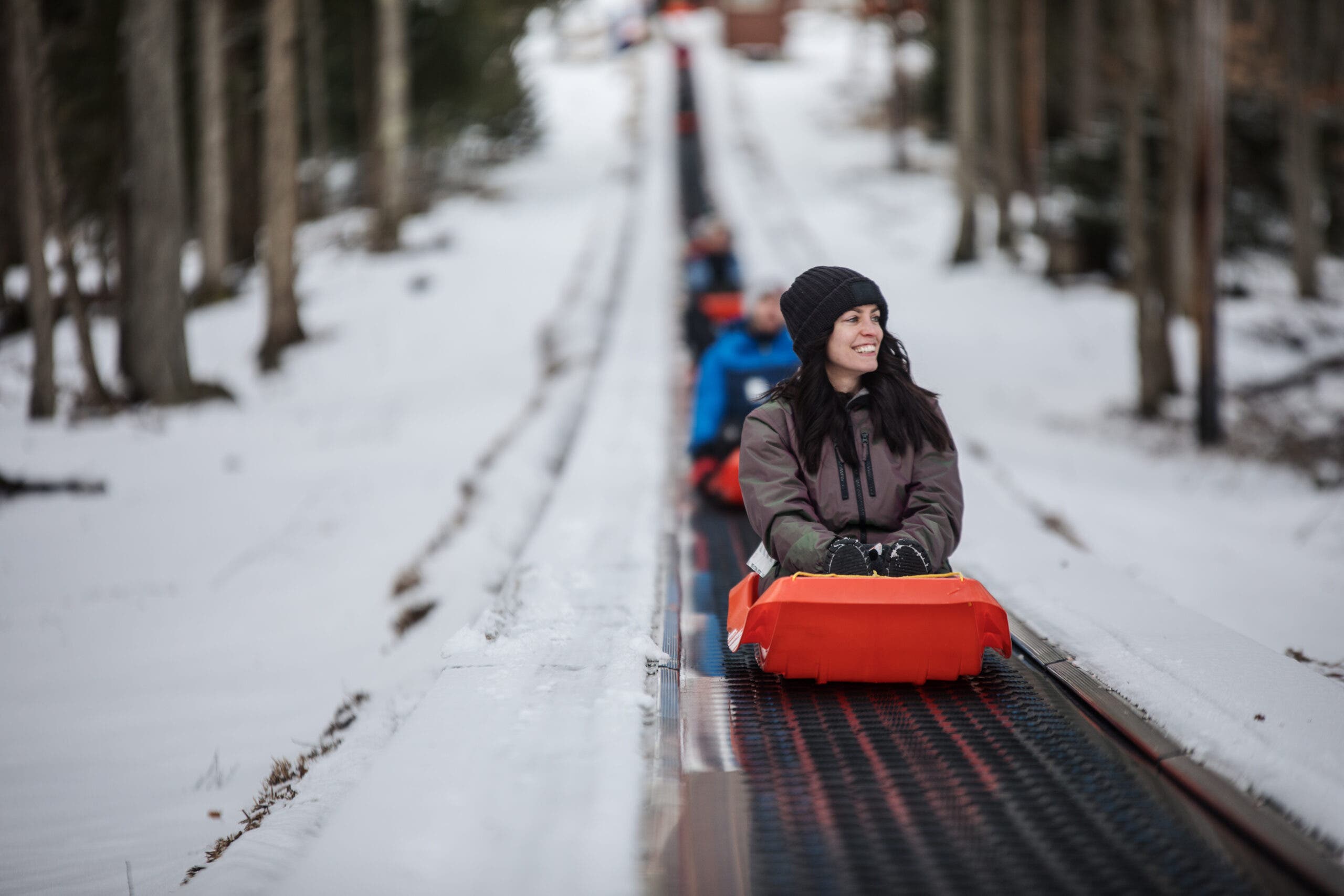
Canaan Valley in West Virginia exemplifies an "easy win" for families, especially those from warmer climates seeking an accessible snow experience. Travel writer Terry Ward, who has explored extreme winter environments from the Arctic to Svalbard, finds Canaan Valley ideal for her Florida-based children. The gentle learning terrain at Timberline Mountain and Canaan Valley Resort State Park, equipped with magic carpets and easy lifts, provides a non-intimidating introduction to snow sports. Crucially, recognizing that "little legs couldn’t charge hard all week," the resort area offers compelling alternatives. The sled run at Blackwater Falls State Park, renowned as the longest on the East Coast, delivers exhilarating shrieks of delight. Its quarter-mile conveyor belt through the forest eliminates the arduous climb back up, making it a hassle-free activity that maximizes fun. This focus on ease and accessibility is vital for young families, ensuring that winter adventures remain joyful rather than exhausting.
Beyond structured activities, the region also offers a nostalgic charm. The 31 miles of trails and cozy cabin at White Grass Ski Touring Center evoke a European feel for Ward, with its "little hut with soups inside, an open fireplace in the middle, like something you’d find in the Alps." This blend of active fun, gentle learning, and a welcoming atmosphere makes destinations like Canaan Valley crucial for cultivating a love for winter sports in the next generation. The economic impact of family-friendly offerings is significant, as families often represent a large segment of the tourism market, making decisions based on the destination’s ability to cater to all ages and interests.
Engaging with Nature: Deeper Connections Beyond the Piste
For those who love nature and still crave the feeling of snow underfoot but desire a different kind of engagement, immersive outdoor experiences provide a compelling alternative to skiing. Tim Neville, a contributing editor to Outside magazine with extensive international skiing experience, champions Bend, Oregon, for its unique off-slope options. While he enjoys local delights like make-your-own chocolate bars and the Bend Ale Trail, it’s the bonfire snowshoe tour that draws him back into the winter landscape in a profound way.
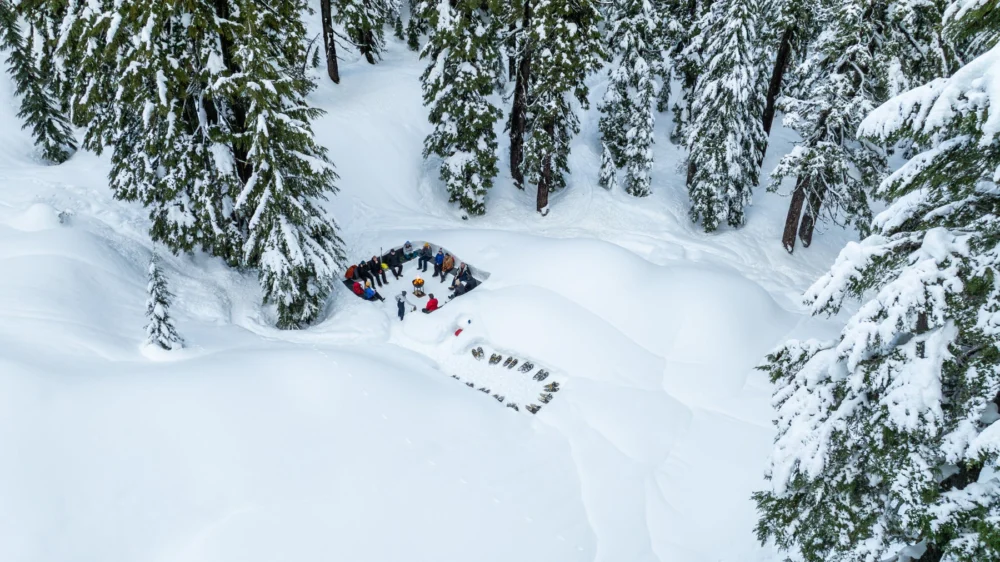
This guided night-sky snowshoe tour, led by a naturalist, offers an easy trek to a snow-carved amphitheater. Here, participants gather around a crackling fire, enjoying dessert and hot cocoa (often with an optional hazelnut espresso vodka top-off) as the winter darkness deepens. The guide then transforms the night into an "open-air planetarium," detailing constellations, planets, and the movements of the solar system overhead. This educational and awe-inspiring experience connects visitors with the natural world in a way that daytime skiing often doesn’t allow, captivating even "the sulkiest teen." A representative from Wanderlust Tours, which operates such excursions, might comment, "Our night snowshoe tours offer a unique perspective on the Cascades. It’s about slowing down, looking up, and connecting with the profound beauty of our winter environment, fostering a deeper appreciation for nature." The growth of eco-tourism and experiential travel indicates a rising demand for activities that combine adventure with education and environmental awareness, providing a valuable dimension to winter vacations.
Community and Culture: Tapping into Local Vibrancy
Sometimes, the best way to take a day off the mountain is to immerse oneself in the local community and its cultural offerings. Nathaniel Solberg, manager of Gull Ski and Snowboard, Montana’s oldest ski shop, embodies this mindset. Despite his deep involvement in ski culture and his family’s long history in the industry, Solberg also embraces his "nerd" side, particularly his PhD film program. For him, unwinding means seeking out locally run spots that offer an authentic taste of the community.
While Solberg is no stranger to après-ski wine tasting, nothing beats the silver screen for him. When not on the slopes of Snowbowl, Discovery Basin, or Lookout Pass, he often heads to The Roxy Theater in Missoula after grabbing "dirt-cheap" pizza from The Bridge. The Roxy is not just any cinema; it’s a community-owned, non-profit theater that serves as a vibrant cultural hub. Its playful offerings, such as "triple organic popcorn" and $3 Hamm’s beer, coupled with monthly "Trash Vault" screenings of fun-bad cinema, attract a diverse and chill crowd. The theater also regularly hosts ski films, with events like Gull’s "Full Send Snow Series" consistently selling out, demonstrating its integral role in the local ski community. A spokesperson for Destination Missoula might highlight, "The Roxy isn’t just a movie theater; it’s a cornerstone of our community, offering a unique blend of entertainment and local charm that truly enhances the visitor experience, reflecting Missoula’s vibrant cultural scene." Such community-focused venues are vital for differentiating destinations and providing visitors with authentic, memorable interactions beyond commercialized attractions. The economic contribution of these local businesses extends beyond direct sales, fostering local employment and retaining the unique character of mountain towns.
The Ultimate All-Rounder: Catering to Every Desire
For groups or families with diverse interests, finding a destination that offers a comprehensive suite of winter activities is paramount. Heber Valley, Utah, stands out as an exemplary base for those seeking "it all for everyone." Nicole Feliciano of Ski Moms praises its intentional family-forward approach. Located near world-class resorts like Deer Valley and Sundance Mountain, Heber Valley itself provides a distinct and engaging atmosphere. Midway, a playful, all-ages retreat characterized by Swiss-inspired architecture and a village ice rink, offers a charming contrast to the often bustling Park City.
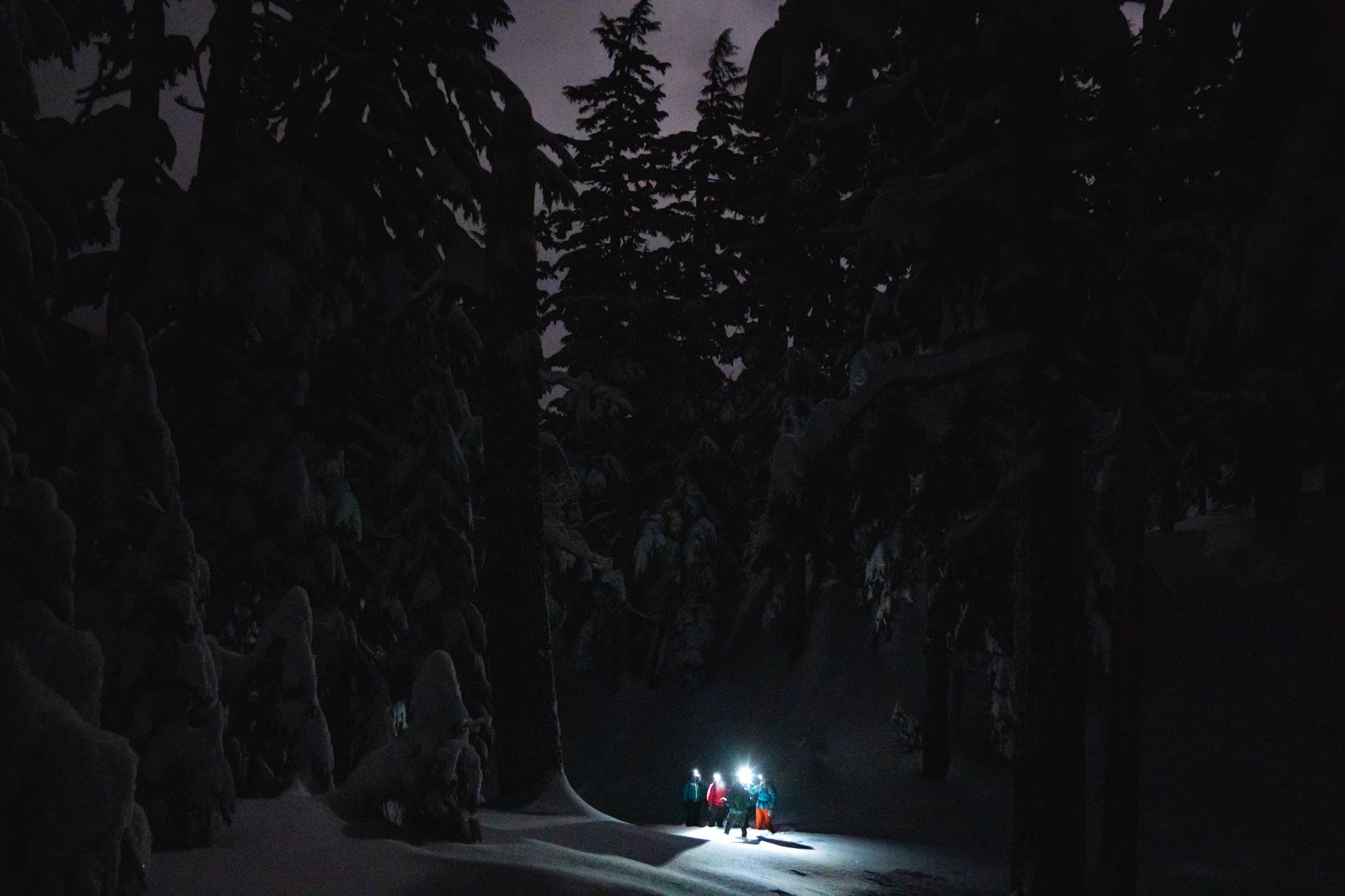
The true gem of Heber Valley, particularly for varied activities, is Soldier Hollow, a legacy venue from the 2002 Winter Olympics. Here, Nordic ski passes offer access to meticulously groomed trails, while the longest tubing lanes in Utah provide exhilarating fun for all ages. For those seeking relaxation, two Swedish-style saunas complete with cold plunges offer a restorative break. However, the ultimate Soldier Hollow experience begins at nightfall with the Nordic Yurt. Described by Feliciano as "one of the most memorable dining experiences in the valley," it involves strapping on snowshoes for a lamplit walk through the winter landscape to a cozy dining yurt. Guests are greeted by fire pits and stunning valley views before indulging in a four-course chef-prepared meal. This combination of Olympic-grade sports facilities, family-friendly fun, wellness options, and a unique gourmet dining adventure makes Heber Valley an ideal destination for groups seeking a multi-faceted winter vacation. A representative from the Utah Olympic Legacy Foundation might state, "Soldier Hollow continues to honor its Olympic heritage by offering diverse winter activities that inspire both athletic pursuit and family enjoyment, making world-class experiences accessible to everyone." This integrated approach to winter tourism strengthens a destination’s appeal, ensuring that every member of a travel party finds something to love, thereby extending stays and increasing overall visitor spending.
Broader Implications and Future Outlook
The evolving landscape of winter tourism, as evidenced by these diverse "down day" activities, holds significant implications for the industry. First, it underscores the critical importance of diversification for sustainable growth. Relying solely on snow-dependent activities makes resorts vulnerable to climate fluctuations. By investing in wellness, cultural, family-oriented, and nature-based experiences, destinations can build resilience and maintain visitor numbers even during leaner snow years.
Second, these varied offerings contribute substantially to local economies. While lift ticket sales are crucial, spending on spas, local theaters, restaurants, unique guided tours, and specialized lodging injects revenue directly into the community, supporting a wider range of local businesses and creating diverse employment opportunities beyond the ski slopes. This broader economic impact fosters stronger, more vibrant mountain towns.
Finally, the trend reflects a fundamental shift in traveler expectations. Modern visitors, particularly millennials and Gen Z, are increasingly seeking authentic, experiential, and holistic vacation experiences. They value opportunities for personal growth, cultural immersion, and genuine connection with nature, alongside traditional recreational pursuits. The "down day" is no longer merely a break from skiing; it has become an integral and often highly anticipated part of the winter vacation narrative, offering depth, variety, and lasting memories that extend far beyond the thrill of a downhill run. As winter destinations continue to innovate, those that successfully integrate diverse, high-quality off-slope activities will undoubtedly be best positioned for long-term success and appeal in an increasingly competitive global tourism market.
