

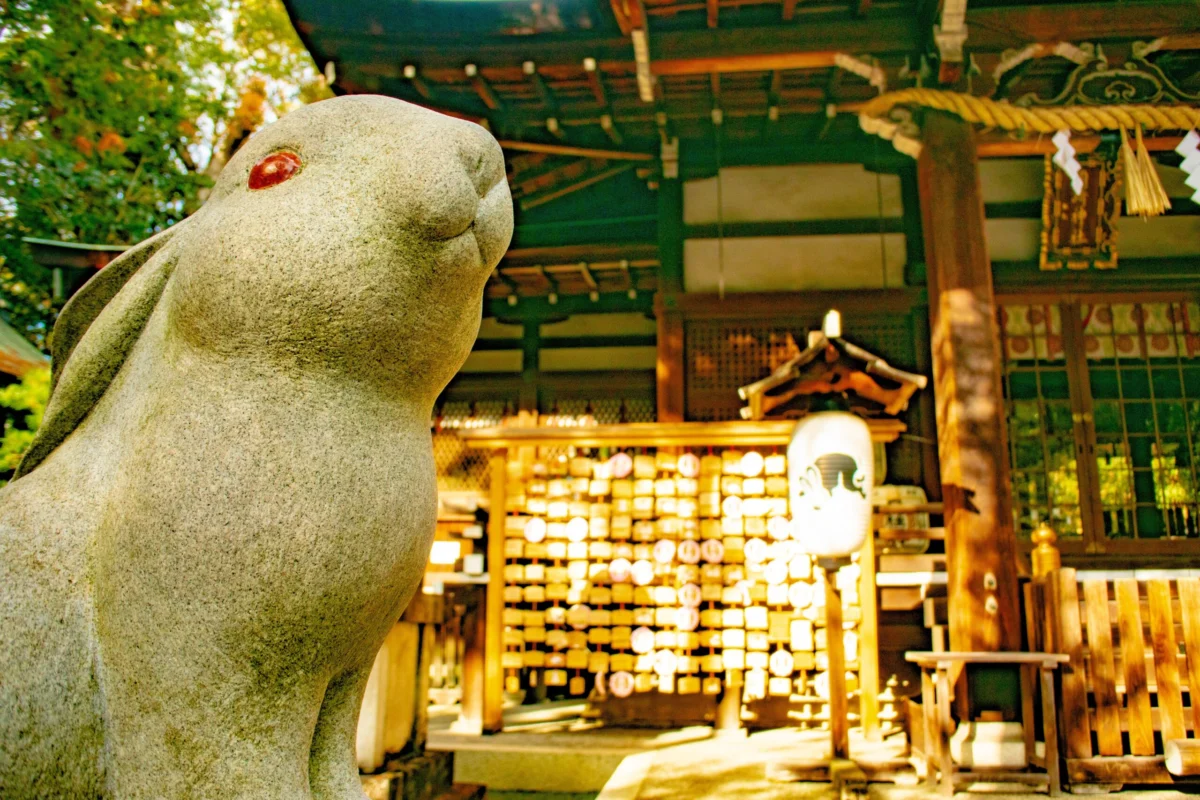
The soft morning sun of a chilly November day in Kyoto, a stark contrast to the sterile fluorescent lights of Atlanta hospitals, enveloped the author and her husband, Eduardo, as they unexpectedly found themselves at Okazaki Shrine. Tucked away in the tranquil Northern Higashiyama district, this lesser-known Shinto shrine was a deviation from their meticulously planned itinerary. Stepping through the traditional stone torii gate, a symbolic threshold into the sacred, they were immediately greeted by the shrine’s distinctive guardians: a multitude of rabbit figures, rendered in concrete, ceramic, stone, and even hand-painted on rice paper lanterns. Okazaki Shrine is dedicated to fertility and childbirth, and these spiritual messengers seemed to welcome the couple, prompting a reluctant reflection on the circumstances that had led them to this serendipitous encounter.
The Unforeseen Diagnosis and the Race Against Time
The journey that brought them to this peaceful sanctuary began eight months prior, during an otherwise unremarkable evening. Over a shared meal of pierogies, Eduardo received a call that would irrevocably alter their lives. Blood work from a routine physical earlier that day revealed a dangerously high white blood cell count. The on-call physician, her voice a hushed urgency, presented a stark dichotomy: a potential lab error or leukemia. Hours later, Eduardo was admitted to the hospital, diagnosed with a rare form of non-Hodgkin’s lymphoma, a blood cancer.
The subsequent weeks were a relentless cycle of medical procedures: bone marrow biopsies, PET scans, and a battery of tests that exacted a significant physical and emotional toll. Amidst this medical ordeal, another harsh reality emerged: their dream of starting a family was no longer a straightforward prospect. To preserve their options before potentially gonadotoxic treatments began, they were advised to pursue In Vitro Fertilization (IVF), a path to parenthood that felt both urgent and daunting.
The Double Blow: Cancer and the Threat to Parenthood
Less than 18 months into their marriage, the couple, who had envisioned having one child "in its own time," found their assumptions and future plans dissolving overnight. The author grappled with two paralyzing fears: the potential loss of her husband and the possibility of never experiencing parenthood with him. This emotional turmoil was compounded by an arduous schedule of carefully timed fertility procedures, including daily injections, during which the author clung to the hope that once their current nightmare subsided, it would be their turn to embrace parenthood. However, the outcome of their initial IVF attempts, resulting in zero viable embryos, proved a devastating setback.
A Glimmer of Hope: Immunotherapy and a Quest for Answers
A significant turning point arrived when Eduardo qualified for a clinical trial utilizing targeted immunotherapy, a less conventional approach than standard chemotherapy. As his treatment commenced, the author embarked on her own parallel quest to combat their infertility. She spent countless hours by Eduardo’s side during his lengthy and arduous immunotherapy infusions, simultaneously dedicating herself to researching fertility options. She furiously emailed fertility specialists and immersed herself in online infertility forums, seeking any sliver of hope or viable solution. Yet, as Eduardo’s treatment progressed and both partners grew increasingly weary, she began to question whether the answers she so desperately sought would truly alter their circumstances.
Reclaiming Joy and the Call of Japan
Despite the daunting distance from their desired family life, Eduardo’s health began to show gradual improvement. The author realized that even amidst profound grief, hope remained not only possible but essential for navigating each day. Prior to the diagnosis, when their future felt boundless and full of possibility, she had always been energized by life’s spontaneity, particularly through travel. She yearned for a reminder that life could still hold moments of serendipity. This reminder arrived in the form of a dream trip to Japan. With the approval of Eduardo’s doctors, the trip quickly became a shared aspiration to reclaim parts of themselves that had been dormant during their ordeal – the joyful, optimistic individuals who looked to the future with excitement.
Tokyo’s Electric Revival and Culinary Delights
Upon landing at Haneda Airport, the author immediately felt Tokyo’s vibrant energy serve as a restorative force. The couple indulged in the city’s culinary scene, from the bustling Tsukiji Market to Michelin-starred sushi establishments. They savored smoky, grilled unagi (eel), experienced melt-in-your-mouth nigiri, and delighted in the sweetness of candied strawberries. In the eclectic district of Harajuku, they encountered emerging designers, explored luxury consignment boutiques, and experienced an unexpected reunion with friends from home. This serendipitous encounter culminated in a spontaneous karaoke session, where, microphone in hand, they belted out Katy Perry’s "Firework," a poignant anthem for their rekindled spirits.
Kanazawa’s Tranquility and the Embrace of Nature
From Tokyo, their journey continued to Kanazawa, a city often lauded as "Little Kyoto" for its impeccably preserved samurai and geisha districts. Here, they embraced a slower pace, returning each evening to their minimalist sanctuary at Korinkyo, a former art gallery transformed into an 18-room boutique hotel. Their days were spent immersing themselves in the vibrant hues of autumn foliage at the D.T. Suzuki Museum and the renowned Kenroku-en Gardens. During their time in Kanazawa, they consciously chose to keep conversations about cancer and their fertility struggles at bay, focusing instead on the restorative beauty of their surroundings.
Kyoto and the Humble Wishes at Okazaki Shrine
The unspoken agreement to defer their anxieties persisted until their arrival in Kyoto, where they discovered the Okazaki Shrine. This shrine is a popular destination for individuals seeking blessings for conception and safe childbirth, with many visitors inscribing their hopes on ema, small wooden plaques. The author and Eduardo found their own ema and penned a heartfelt plea: "We pray for the blessing of one healthy child together to complete our family. We wish for a restoration of health and to conceive." As they found a suitable place to hang their wish, exposed to the elements but surrounded by the silent aspirations of countless others, the author witnessed their deepest hope being sent out into the world.
A Shared Belief in the Face of Uncertainty
In the quiet stillness of the shrine, amidst the symbolic rabbits and the collective dreams of those navigating uncertain futures, Eduardo whispered, "It’s going to happen," pulling his wife into an embrace. In that moment, surrounded by shared vulnerability and a profound sense of hope, the author allowed herself to believe it too. The visit to Okazaki Shrine, a detour born from a desire for respite and a subconscious yearning for fertility blessings, became a powerful symbol of their enduring hope and their commitment to building a family, regardless of the challenges they had faced and continued to navigate.
Broader Implications: The Intersection of Health, Fertility, and Emotional Resilience
The narrative of the author and Eduardo highlights the complex intersection of critical health diagnoses with the profound desire for family building. Cancer treatments, while life-saving, often carry significant reproductive risks, necessitating urgent decisions about fertility preservation. According to the American Society of Clinical Oncology, chemotherapy and radiation therapy can impair fertility in both men and women, with the risk depending on the type of treatment, dosage, and individual factors. This underscores the critical need for comprehensive counseling and accessible fertility preservation options for cancer patients.
The couple’s journey also emphasizes the immense psychological toll of infertility, particularly when compounded by a life-threatening illness. The emotional strain of navigating both cancer treatment and IVF can be overwhelming, requiring significant resilience and support systems. Their decision to travel to Japan, not just as a vacation but as a deliberate act of reclaiming joy and normalcy, speaks to the therapeutic power of shared experiences and the importance of finding moments of light even in the darkest of times. The serendipitous discovery of Okazaki Shrine, a place dedicated to fertility, further illustrates how individuals often seek spiritual or symbolic anchors during times of profound uncertainty. Their shared wish on the ema encapsulates the universal human desire for family and the fervent hope for a healthy future. The narrative serves as a testament to the strength of the human spirit in the face of adversity, demonstrating that even when confronted with life-altering challenges, hope, love, and the pursuit of dreams can pave a path forward.
