

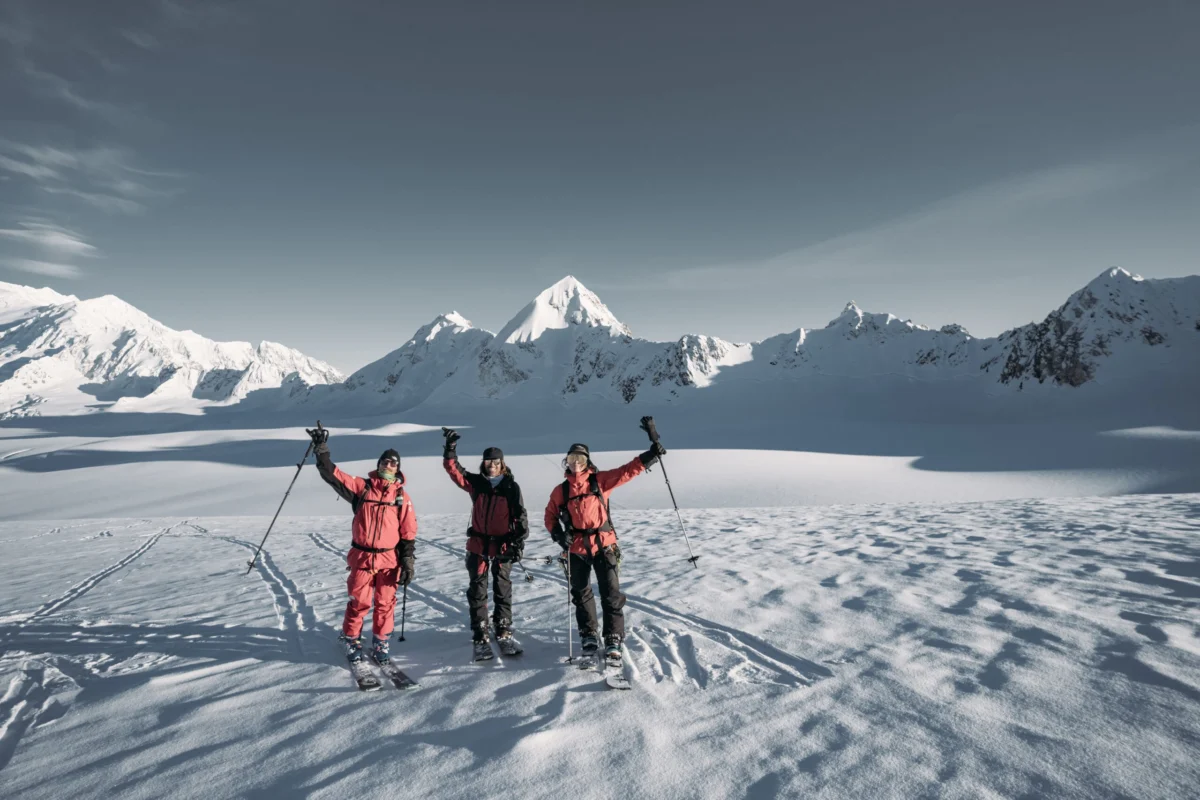
In the summer of 1937, two of America’s most legendary mountaineers, Bradford Washburn and Robert Bates, found themselves in a desperate struggle for survival deep within the Saint Elias Mountains of the Yukon. Stranded on the Walsh Glacier after their pilot was unable to return due to treacherous, slushy conditions, the duo was forced to abandon over 1,000 pounds of equipment to attempt a grueling, 150-mile escape on foot to the nearest civilization. Among the items left behind was Washburn’s Fairchild F-8 aerial camera—a massive, sophisticated piece of technology used to pioneer the art of mountain photography and cartography. For eighty-five years, this cache remained buried under layers of snow and ice, presumed lost to the inexorable movement of the glacier.
The story of this abandoned equipment serves as the foundation for "The Lost Cache," a new documentary film premiering in late 2024. The project, which represents a multi-year collaboration between professional athletes, glaciologists, and filmmakers, documents a modern-day treasure hunt that bridges the gap between historical exploration and contemporary climate science. Led by professional skier and Protect Our Winters (POW) Athlete Alliance member Griffin Post, the expedition sought to locate the long-lost artifacts in one of the most remote and geologically volatile environments on Earth.
The Historical Context: The 1937 Lucania Expedition
To understand the significance of the cache, one must look back to the pioneering era of North American mountaineering. In 1937, Mount Lucania, standing at 17,147 feet, was the highest unclimbed peak in North America. Bradford Washburn, who would go on to found the Boston Museum of Science and become a world-renowned cartographer, organized an expedition to claim the first ascent.
Washburn and his partner, Robert Bates, were flown onto the Walsh Glacier by pilot Bob Reeve. However, an unseasonable heatwave turned the glacier’s surface into a morass of slush, making it impossible for Reeve to return with the rest of the team or the necessary supplies to fly the pair out. Trapped in the heart of the wilderness, Washburn and Bates realized that their only hope was to climb Mount Lucania, cross over to Mount Steele, and then hike over a hundred miles through unexplored terrain to the village of Burwash Landing.
To make the journey possible, they had to strip their weight to the absolute minimum. They established a base camp on the Walsh Glacier and cached hundreds of pounds of gear, including their heavy tents, cooking stoves, and Washburn’s prized Fairchild F-8 camera. Despite the odds, they successfully summited Lucania and survived the trek out, but the gear remained on the ice. While Washburn intended to return for the equipment in subsequent years, the logistical challenges and the shifting nature of the glacier prevented any recovery effort during his lifetime.
The Catalyst for a Modern Search
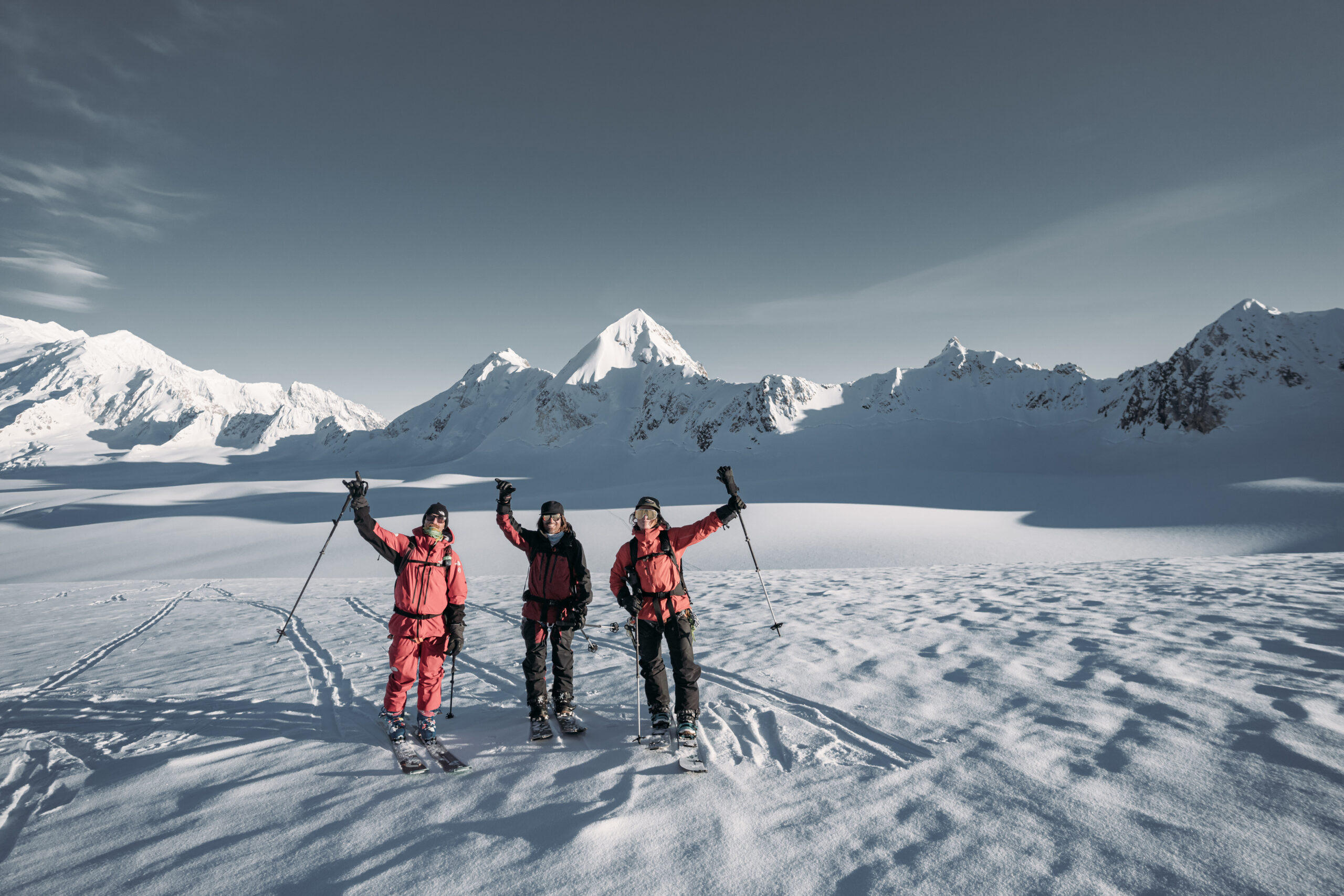
The modern quest to find the Washburn-Bates cache began not on the ice, but in the pages of mountaineering literature. Griffin Post, a veteran of high-stakes ski expeditions, encountered the story in David Roberts’ 2002 book, Escape from Lucania. A brief passage in the epilogue mentioned the abandoned gear, sparking an obsession that Post could not shake.
"That passage really stuck with me," Post noted during the film’s production. "I thought about it for six months. I mapped and triangulated their original camp location, and that felt like a starting point."
Post’s background as a professional athlete with Teton Gravity Research (TGR) and an advocate for POW provided the necessary platform to turn this historical curiosity into a full-scale scientific and exploratory mission. The project received critical support from POW’s Advocacy & Adventure Alliance Grants, which fund initiatives that intersect outdoor adventure with environmental awareness.
The Science of Glacial Movement and Surging
Locating a cache left on a glacier nearly a century ago is not a simple matter of returning to the original coordinates. Glaciers are dynamic, "living" rivers of ice that move, melt, and deform over time. The Walsh Glacier presents a unique challenge because it is a "surge-type" glacier.
While a typical glacier might move a few inches or a foot per day, surge-type glaciers experience periodic events where their velocity increases by a factor of ten or more. During a surge, the ice can move up to 50 feet per day, lasting for months or even years. These surges are often followed by long periods of stagnation. For the search team, this meant that the 1937 camp could be miles away from its original location, buried deep within a crevasse or ground into fragments by the immense pressure of the ice.
To solve this spatial puzzle, Post partnered with Dr. Dora Medrzycka and a team of glaciologists from the University of Ottawa. Using historical photographs from Washburn’s own archives—meticulously preserved at the Boston Museum of Science and the University of Alaska Fairbanks—the scientists attempted to model the glacier’s movement over the intervening 85 years.
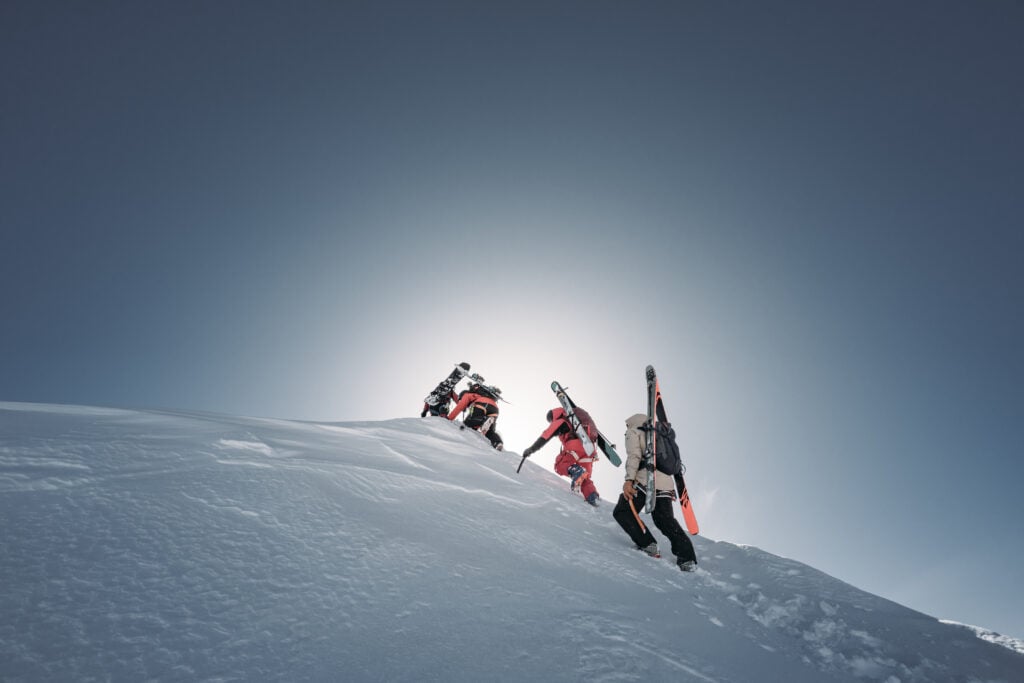
"The crux was figuring out how far down the glacier it had moved," Post explained. "Obviously, there are huge margins of error."
The 2022 Expedition: A Race Against Time and Elements
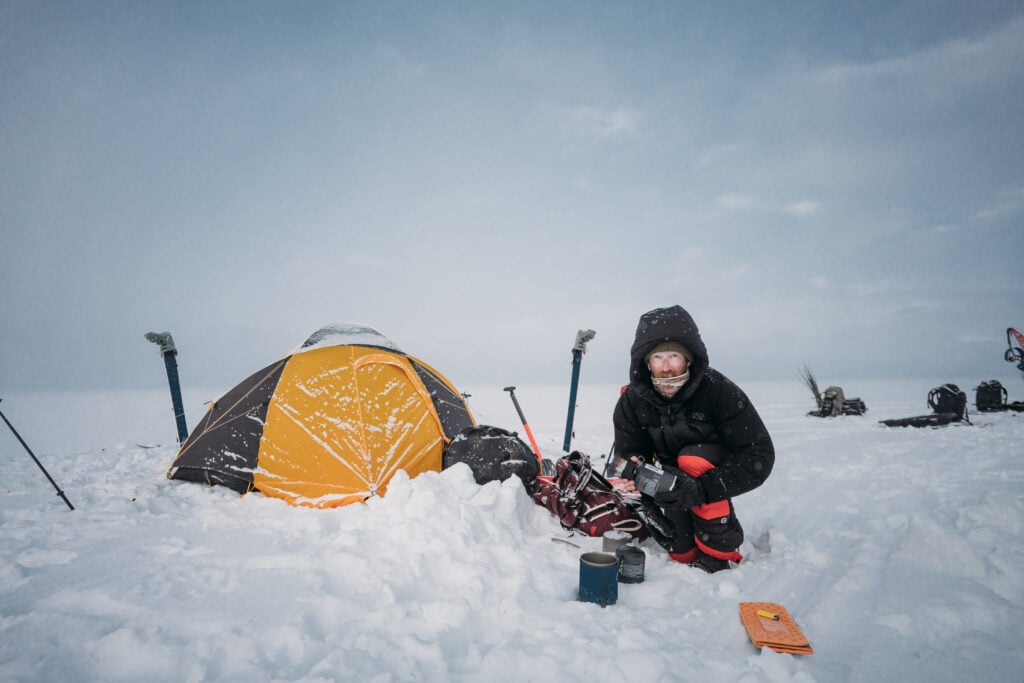
The search officially commenced in the spring of 2022. The team, consisting of Post, TGR filmmakers, and the University of Ottawa researchers, established a base camp in Kluane National Park. The environment was hostile; the Walsh Glacier is a labyrinth of crevasses and ice falls, and the effects of modern climate change have significantly altered the landscape that Washburn once mapped.
The team utilized a variety of tools, including ground-penetrating radar (GPR) and metal detectors, to scan the ice. However, the sheer scale of the glacier made the search akin to finding a needle in a haystack. The team conducted three separate trips to the glacier throughout 2022, facing fluctuating weather and the constant threat of moving ice.
A significant hurdle was the thinning of the glacier. Scientific data indicates that glaciers in the Yukon and Alaska are losing mass at some of the highest rates on the planet. This thinning can reveal long-lost items as they melt out of the ice, but it also increases the risk of those items being destroyed by meltwater or falling into deep, inaccessible crevasses.
Implications for Glaciology and Archaeology
Beyond the thrill of the hunt, the expedition carries significant weight for the scientific community. The recovery of artifacts from a known date provides a "marker" that glaciologists can use to verify their models of glacial flow. By knowing exactly where an object was in 1937 and where it is today, researchers can calculate the average velocity and the impact of surge events with unprecedented accuracy.
Furthermore, the project highlights the emerging field of "glacial archaeology." As the world’s ice continues to recede due to anthropogenic climate change, ancient and modern artifacts are being released from the ice at an accelerating rate. From 5,000-year-old arrows in Norway to 85-year-old cameras in the Yukon, these finds offer a window into the past, but they also serve as a somber reminder of the rapid environmental shifts occurring in the cryosphere.
Official Responses and Cultural Impact
The expedition was conducted under a permit from Parks Canada, the agency responsible for managing Kluane National Park. Initially, park officials expressed skepticism regarding the team’s chances of success. Post recalled that when the permit was issued, the sentiment was essentially: "Go knock yourselves out. There’s no chance you’re finding this."
However, the collaboration between TGR, POW, and the University of Ottawa demonstrated a rigorous approach to the search that combined archival research with cutting-edge physics. The project has garnered significant interest from the mountaineering community and historical societies, as Bradford Washburn remains a figure of immense importance in the history of American exploration.
The resulting film, The Lost Cache, is scheduled to screen at prominent venues including the Coast Film Festival in California and the Banff Centre Mountain Film Festival. These screenings are expected to draw attention not only to the adventure itself but to the broader message of climate advocacy championed by POW.
Conclusion: The Legacy of the Walsh Glacier
The quest for the Washburn-Bates cache is more than a search for antique mountaineering gear; it is a narrative of human persistence and the changing face of our planet. The artifacts, if recovered, represent a tangible link to a "Golden Age" of exploration, while the process of finding them underscores the complexities of modern science in a warming world.
As the film prepares for its release, the outcome of the search remains a closely guarded secret among the expedition members. "Us treasure hunters are a tight-lipped bunch," Post remarked, maintaining the suspense that has defined the project since its inception. Regardless of the final discovery, the mission has already succeeded in bridging the gap between 1937 and the present, proving that even in the most remote corners of the Earth, history is never truly lost—it is merely waiting to be found.
The Walsh Glacier continues its slow, grinding journey toward the sea, carrying with it the secrets of the past and the data of the future. Through the lens of "The Lost Cache," audiences will be invited to witness the intersection of history, science, and the enduring spirit of adventure that drives humans to seek out what has been left behind in the ice.
