

The impending start of the 2026 Milano Cortina Paralympic Winter Games is poised to be a moment of profound personal significance for Kelsey O’Driscoll, marking not only her debut on the world’s most prestigious adaptive sports stage but also a poignant five-year anniversary. On March 10, 2026, precisely half a decade after a catastrophic sledding accident fractured her T11 and burst her T12 vertebrae, the 32-year-old pediatric nurse and lifelong skier will stand at the pinnacle of para alpine racing, a legitimate medal threat in both downhill and super-G. Her journey from the immediate despair of a shattered future to an elite athlete exemplifies an extraordinary triumph of human resilience, a narrative further enriched by her rapid ascent through the ranks of international competition despite recent severe health setbacks.
The Catastrophic Accident and Immediate Aftermath
The fateful day of March 6, 2021, began innocently enough. O’Driscoll, a dedicated ski patroller and a fixture at Gore Mountain in upstate New York since childhood, was enjoying a casual sledding outing near the very slopes she knew so intimately. Accompanied by her boyfriend, she decided on one final run. What followed was a sudden, violent impact: hitting an unforeseen divot, she was launched airborne, landing with a force that compressed her T11 thoracic vertebra and caused a burst fracture of her T12. The immediate aftermath was characterized by excruciating pain and a terrifying realization that her life, as she knew it, had irrevocably changed.
"The first thing that went through my mind was that I just ruined my life," O’Driscoll recounted, reflecting on the moments following the injury. The fears were manifold and profound: her career as a pediatric nurse, her passion for skiing, the thrill of surfing, and her vital role as a ski patroller—all seemed to vanish in an instant. Spinal cord injuries, affecting approximately 17,900 individuals in the U.S. each year according to the National Spinal Cord Injury Statistical Center, often present a daunting road to recovery, frequently involving partial or complete paralysis, sensory loss, and complex rehabilitation. O’Driscoll’s injury, specifically to the thoracic spine, resulted in partial sensation and some motor function in her legs, necessitating the use of elbow crutches for mobility. This meant relearning fundamental movements and adapting to a new physical reality.
The Arduous Path to Recovery and Return to Snow

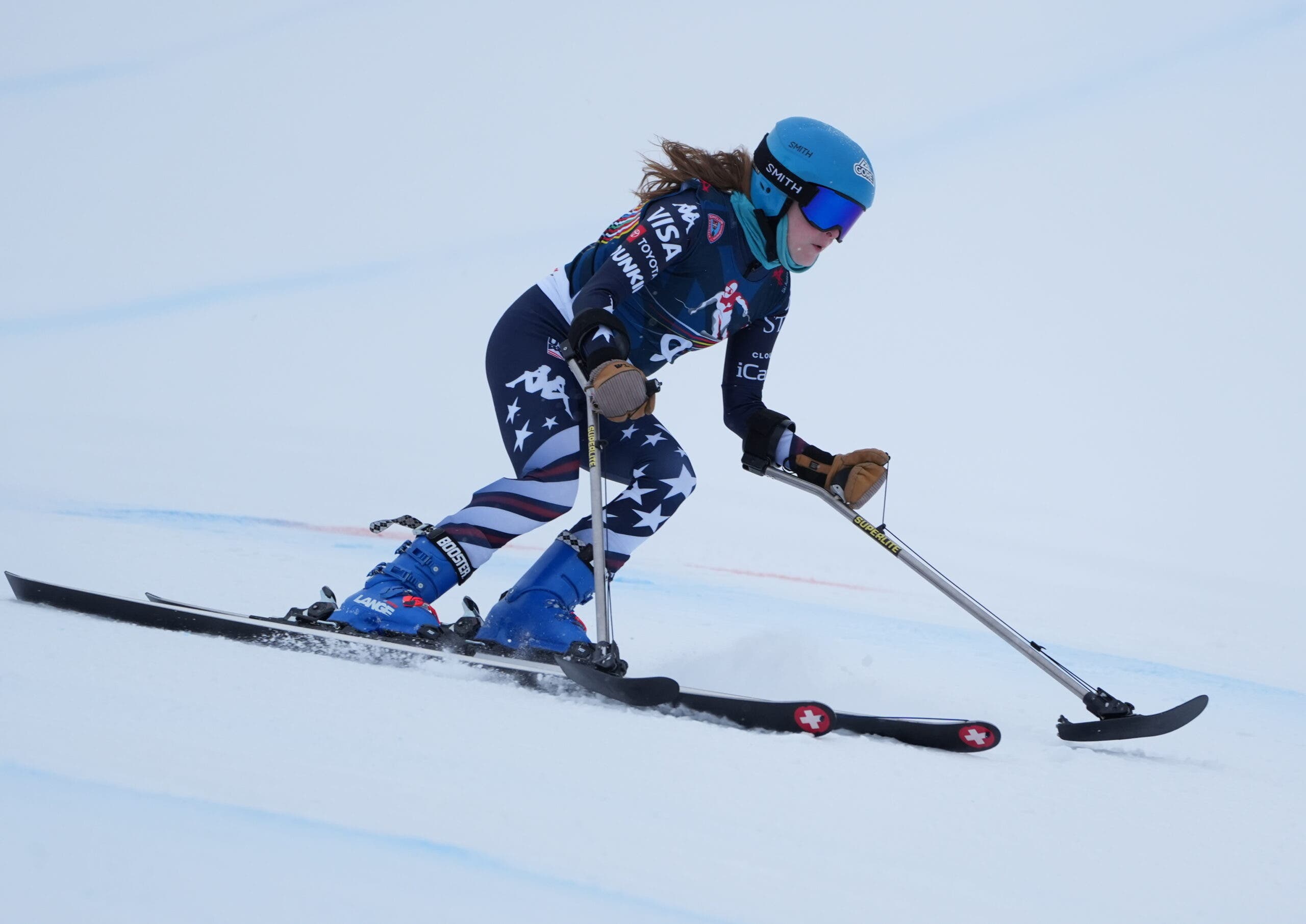
The initial phase of O’Driscoll’s recovery was a grueling regimen of physical therapy, focusing on regaining strength, balance, and mobility. The psychological toll of such an injury can be as debilitating as the physical, but O’Driscoll’s inherent determination began to shine through. Her connection to the mountains, however, remained an unyielding draw. The following winter, a mere year after her accident, she embarked on a courageous return to the snow. She embraced adaptive skiing, specifically as a four-track skier, utilizing outriggers—forearm crutches equipped with mini-skis at their tips—to aid balance and control.
Her first run back was an intensely emotional experience. Pointing her skis downhill and linking turns, she found herself overwhelmed, tears streaming down her face at the bottom of the slope. "I was terrified I wasn’t going to love it anymore," she admitted, articulating a fear common among athletes who face life-altering injuries. "I didn’t know how to exist in a world where skiing didn’t bring me joy." But the joy, unexpectedly, was still there, perhaps even amplified by the journey she had endured. The sight of her skiing once more prompted an outpouring of support from her "Gore Mountain Family," with fellow patrollers and instructors cheering her return. This community swiftly rallied, adapting her patrol duties to her new capabilities, allowing her to carry a drill in a sling and manage toboggans on moderate terrain, thus reintegrating her into her professional and social fabric.
A Second Setback and Unwavering Resolve
Just as O’Driscoll found her footing, another significant challenge emerged. Two years post-accident, a severe asthma attack necessitated a five-day stay in the Intensive Care Unit (ICU). The intensive treatment, involving high-dose corticosteroids, led to corticosteroid-induced myopathy, a condition that severely weakened her entire muscular system. "The steroids zapped all the muscles in my whole body," she explained, recalling the frustration of being unable to perform simple tasks like putting her hair in a ponytail. This secondary medical crisis demanded yet another period of rehabilitation, rebuilding her upper body strength, knowing that her lower-body strength would never fully recover to its pre-accident levels. O’Driscoll, however, adjusted once more, demonstrating an extraordinary capacity for adaptation and perseverance.
The Unforeseen Allure of Ski Racing
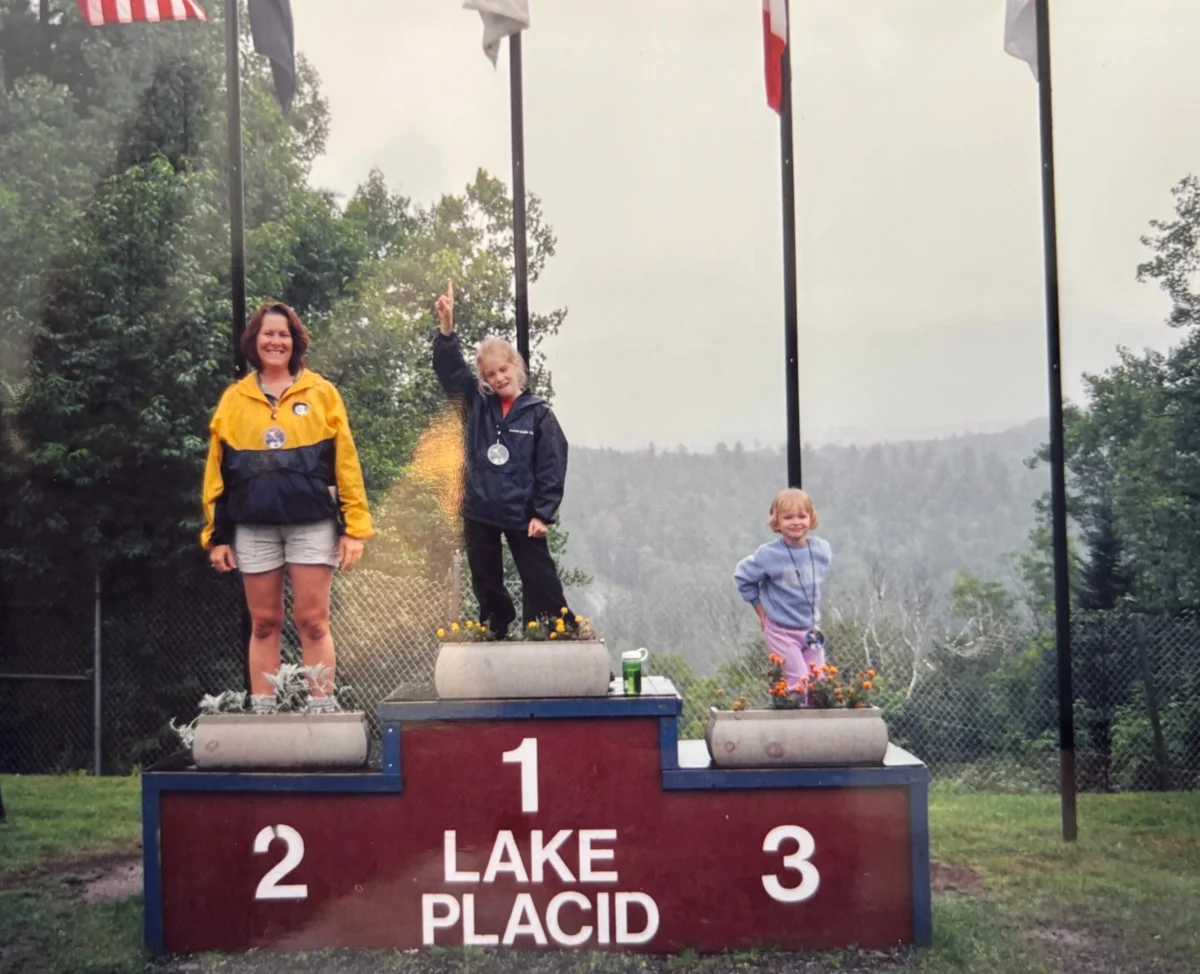
The seeds of O’Driscoll’s Paralympic dream were sown in January 2023, while she was patrolling at Gore Mountain during the FISU World University Games. Witnessing the raw speed and precision of the racers carving down the course ignited a new spark within her. Could she, a four-track adaptive skier, compete at that level? Her childhood had seen a brief flirtation with racing, where a coach had once noted her talent, only for her mother to famously quip, "Absolutely not. We don’t need to encourage her to ski any faster!" Now, however, the idea of competitive racing firmly took root.
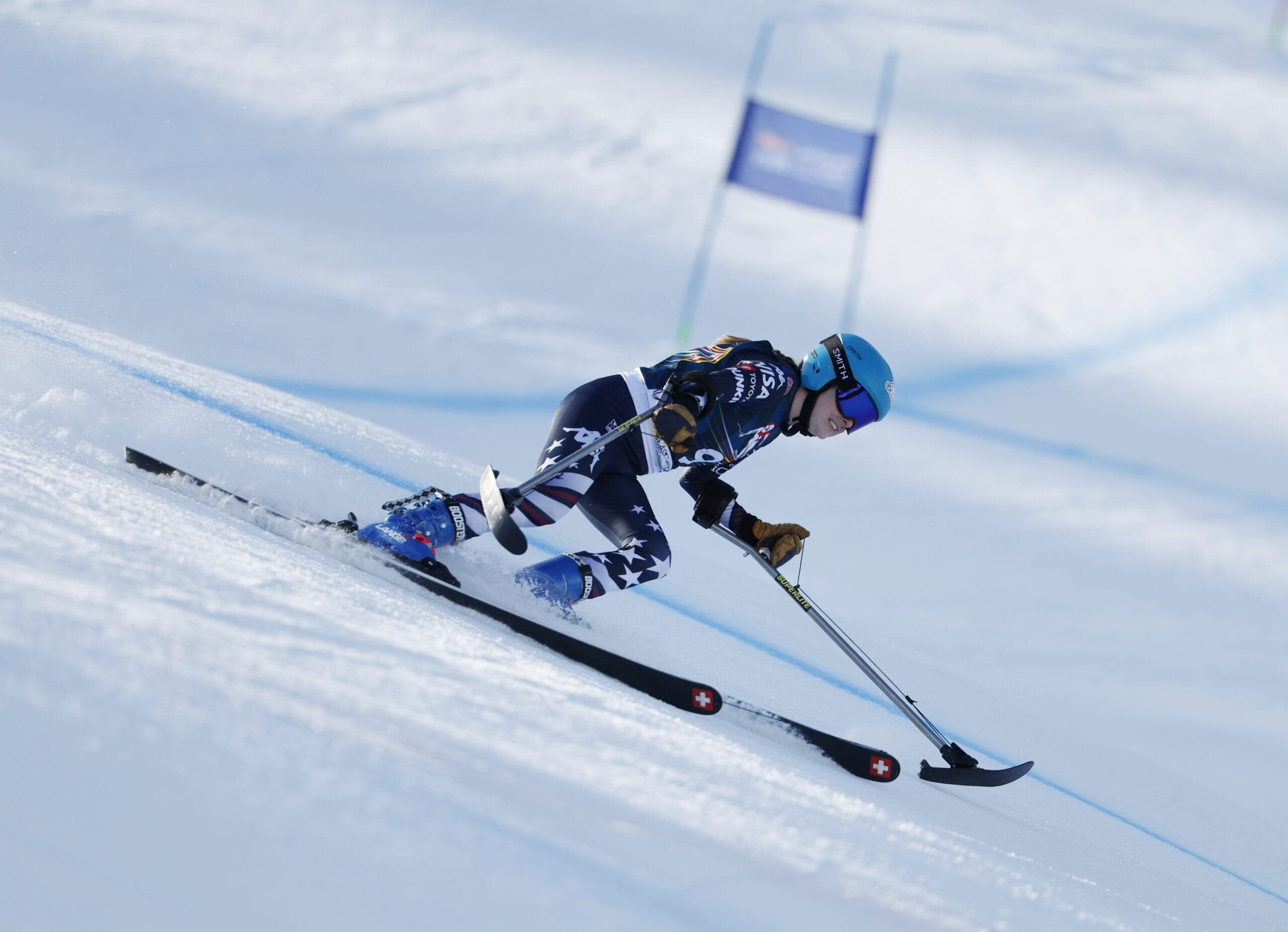
Later that winter, at an adaptive camp in Vermont, O’Driscoll and another skier convinced a coach to set up a few gates. The experience was transformative. She attacked the course with the same fluidity and natural grace she exhibited in freeskiing, relentlessly seeking tighter, faster lines. "It was just a fun challenge," she stated, "I loved it." Unbeknownst to her, a coach had filmed her impressive performance and shared the footage with Erik Petersen, the competition center director at the National Sports Center for the Disabled (NSCD). Petersen, recognizing her innate talent and drive, extended an invitation for her to train at Winter Park, a pivotal moment that set her on a trajectory toward elite adaptive sport.
When the notion of the Paralympics was first floated, O’Driscoll’s initial reaction was disbelief. "I literally laughed," she recalled, "I was like, ‘That’s insane.’" Yet, the question lingered: why not? Those who knew her best, particularly her "Gore Mountain Family," were not surprised by her eventual commitment. Bone Bayse, Gore’s general manager, attested to her unwavering focus and determination. "When she decided to pursue the national team and beyond, we had no doubt that she would achieve those goals," Bayse commented, praising her "incredible ease to her skiing" which appears "effortless—and it’s lightning fast."
Rapid Ascent to the World Stage
O’Driscoll’s journey through the competitive adaptive skiing landscape was remarkably swift. Last season, her dedication and undeniable skill earned her a coveted national team nod, leading to her participation in the 2025 World Para Alpine Skiing Championships, where she gained invaluable international experience. Her domestic performance was equally stellar; in the spring, she secured U.S. national titles in slalom and giant slalom, along with a runner-up finish in super-G, achievements that cemented her place on the highly competitive World Cup circuit.
However, her path remained fraught with challenges. In October, just months before her World Cup debut, another severe asthma flare-up landed her back in the ICU for five days. This latest health crisis threatened to derail her meticulously planned season. Upon discharge, instead of resting, she immediately flew to the U.S. Ski & Snowboard Center of Excellence to commence intensive rehabilitation. Her resolve was absolute: "I’m making that first World Cup race come hell or high water," she vowed.
This unyielding determination paid off spectacularly. In December, in only her fourth World Cup start—a super-G event—O’Driscoll achieved a stunning victory. She not only claimed the top spot but also bested the reigning Paralympic downhill and super-G champions, a testament to her explosive talent and rapid adaptation to the highest level of competition. Two additional podium finishes followed, firmly establishing her as a formidable force in the standing category. "I didn’t even know I was capable of winning a World Cup until it happened," she reflected. "When it clicks, it clicks."
Milano Cortina 2026: A Date with Destiny
The 2026 Milano Cortina Paralympic Winter Games, scheduled from March 6 to March 15, 2026, will serve as a global showcase for elite adaptive athletes. Para alpine skiing, one of the most thrilling disciplines, features athletes competing across three main categories: standing, sitting, and visually impaired, each with further classifications based on the degree of impairment. O’Driscoll competes in the standing category, navigating the same challenging courses as her able-bodied counterparts but with adaptive equipment and techniques. The disciplines include downhill, super-G, giant slalom, slalom, and super combined, demanding a blend of speed, precision, and technical prowess.
The United States has a rich history in Paralympic alpine skiing, but the U.S. women have not secured a Paralympic medal in the standing category since 2014. With O’Driscoll’s emergence, alongside talented teammates Audrey Crowley and 2022 Paralympian Allie Johnson, there is a tangible hope that this drought could end in Cortina. Her consistent podium finishes on the World Cup circuit against the world’s best have elevated expectations, positioning her as a genuine medal contender.
Broader Impact and Enduring Inspiration
O’Driscoll’s journey transcends mere athletic achievement; it is a powerful narrative of transformation, resilience, and the profound human capacity to find purpose amidst adversity. Her perspective on her accident, describing it as "quite the gift," underscores a profound shift in outlook. "The things I’ve lost from my spinal cord injury are infinitely less than the things I’ve gained," she states, encapsulating a philosophy that resonates deeply with the spirit of the Paralympic movement. The Paralympics, established to provide opportunities for athletes with disabilities to achieve sporting excellence, perfectly embody O’Driscoll’s ethos, showcasing that physical limitations do not define human potential.
Her story serves as an immense source of inspiration, not only for individuals navigating spinal cord injuries or other disabilities but for anyone facing significant life challenges. It highlights the critical role of community support, dedicated rehabilitation, and unwavering self-belief in overcoming seemingly insurmountable obstacles. The growth of adaptive sports, increasingly supported by technological advancements in equipment and sophisticated training methodologies, provides platforms for athletes like O’Driscoll to thrive, demonstrating that sport can be a powerful catalyst for rehabilitation, social integration, and personal fulfillment.
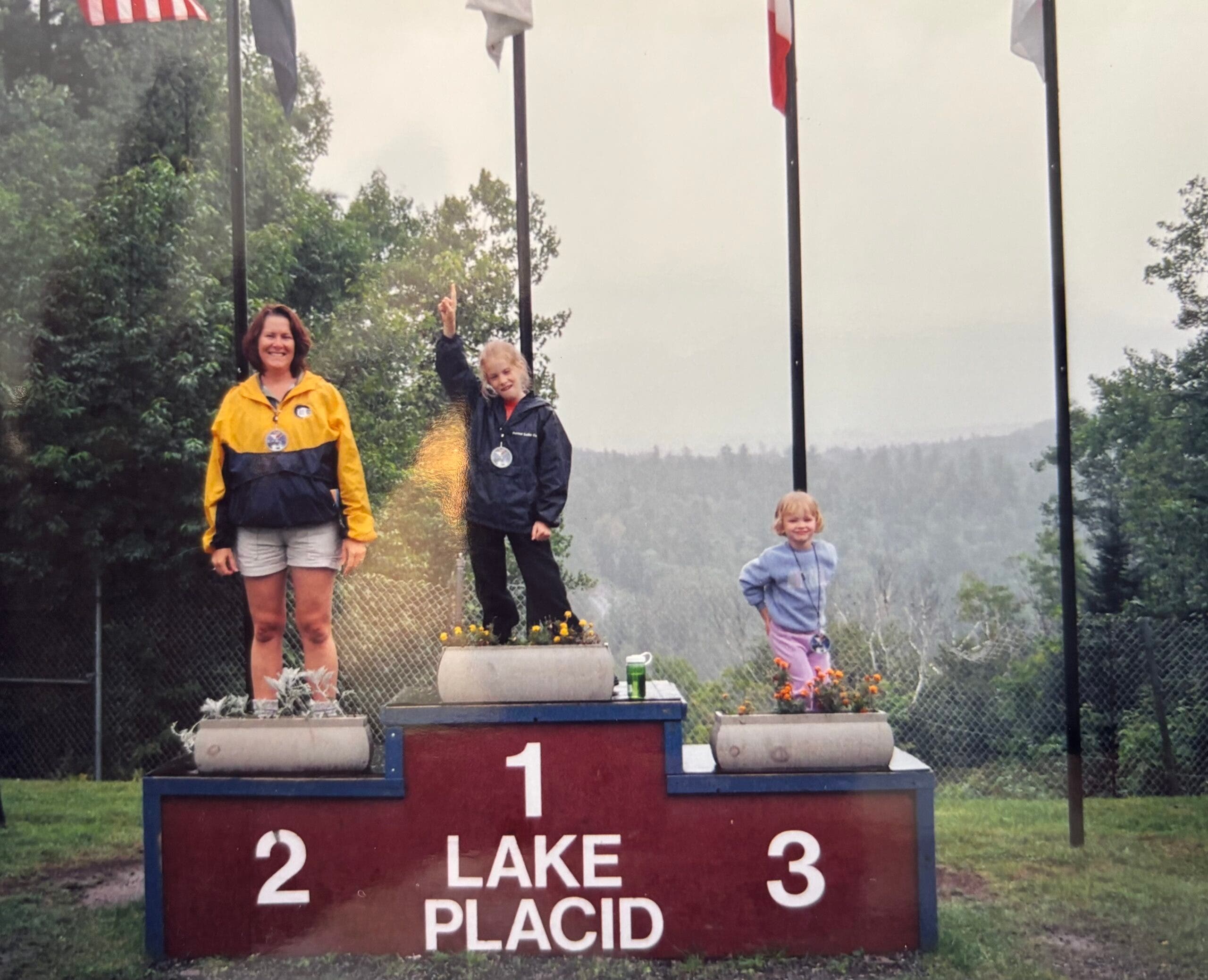
Before departing for Italy, O’Driscoll penned a heartfelt letter to her "Gore Mountain Family," a poignant reflection on her journey: "When I broke my back, I gave up on dreaming. Between the spinal cord injury and my crappy lungs, I stopped dreaming because it was just too painful. The love and support from this community is what enabled me to start dreaming again – of patrolling, skiing in the woods, running toboggans, running gates, going to the Paralympics, and now dreaming of a Paralympic medal." She concluded with a statement that encapsulates her true victory: "No matter what happens in Cortina, I’ve already won. I’m so excited and honored to go show the world what a Gore Mountain skier can do."
Her journey to Cortina, marked by extraordinary courage and an indomitable spirit, has already secured her an indelible place in the annals of adaptive sports. As she stands on the precipice of her Paralympic debut, Kelsey O’Driscoll embodies the very essence of human triumph, ready to inspire millions.
Paralympic ski events are scheduled to take place from March 10-15, and fans can follow Kelsey O’Driscoll’s quest for a medal by tuning into NBC and Peacock.
