

The captivating phenomenon of night skiing continues to draw enthusiasts to mountains across the globe, offering a unique blend of adrenaline, tranquility, and a profound connection to the winter landscape. Far from being merely an extension of daylight operations, skiing under the stars presents a distinct sensory experience that rejuvenates the spirit and provides a fresh perspective on the sport. This growing segment of the ski industry is not only a novel attraction but also a strategic imperative for resorts seeking to maximize their infrastructure, extend their operational hours, and tap into new visitor demographics.
The allure of night skiing often begins with a subtle, almost dreamlike quality. For many, it evokes a sense of childhood wonder, reminiscent of fantastical narratives where figures glide effortlessly through moonlit snowscapes. The original article touches upon this sentiment, referencing the "ecstatic flying dreams" of youth and the magical imagery of "The Snowman." This emotional resonance is a powerful driver for participation, transforming a recreational activity into an immersive, almost mystical journey. The crisp, cold air, the stark contrast of illuminated trails against dark forests, and the distant glimmer of town lights coalesce to create an atmosphere unparalleled by daytime skiing. It’s an escape, a fleeting vision of freedom that beckons skiers back to the slopes long after the sun has set.
The Evolving Landscape of Night Skiing
While the concept of skiing after dark might seem contemporary, its roots are intertwined with the evolution of ski resorts themselves. Early forms of night skiing emerged in the mid-20th century as technology advanced sufficiently to provide reliable, widespread illumination for ski areas. Initially, this was a logistical challenge, requiring significant investment in lighting infrastructure capable of covering vast, varied terrain. Over the decades, improvements in lighting efficiency, especially with the advent of LED technology, have made night operations more economically viable and environmentally sustainable.
Today, night skiing is a staple at hundreds of ski areas worldwide, ranging from vast destination resorts to intimate local hills. Its prevalence varies by region, often dictated by population density, climate, and the overall ski culture. In areas with large urban centers nearby, night skiing provides an accessible option for people to hit the slopes after work or school, extending the ski day and making the sport more integrated into daily life. This accessibility is a key factor in its sustained popularity and growth.
Bromont: A Beacon of Nocturnal Skiing in North America
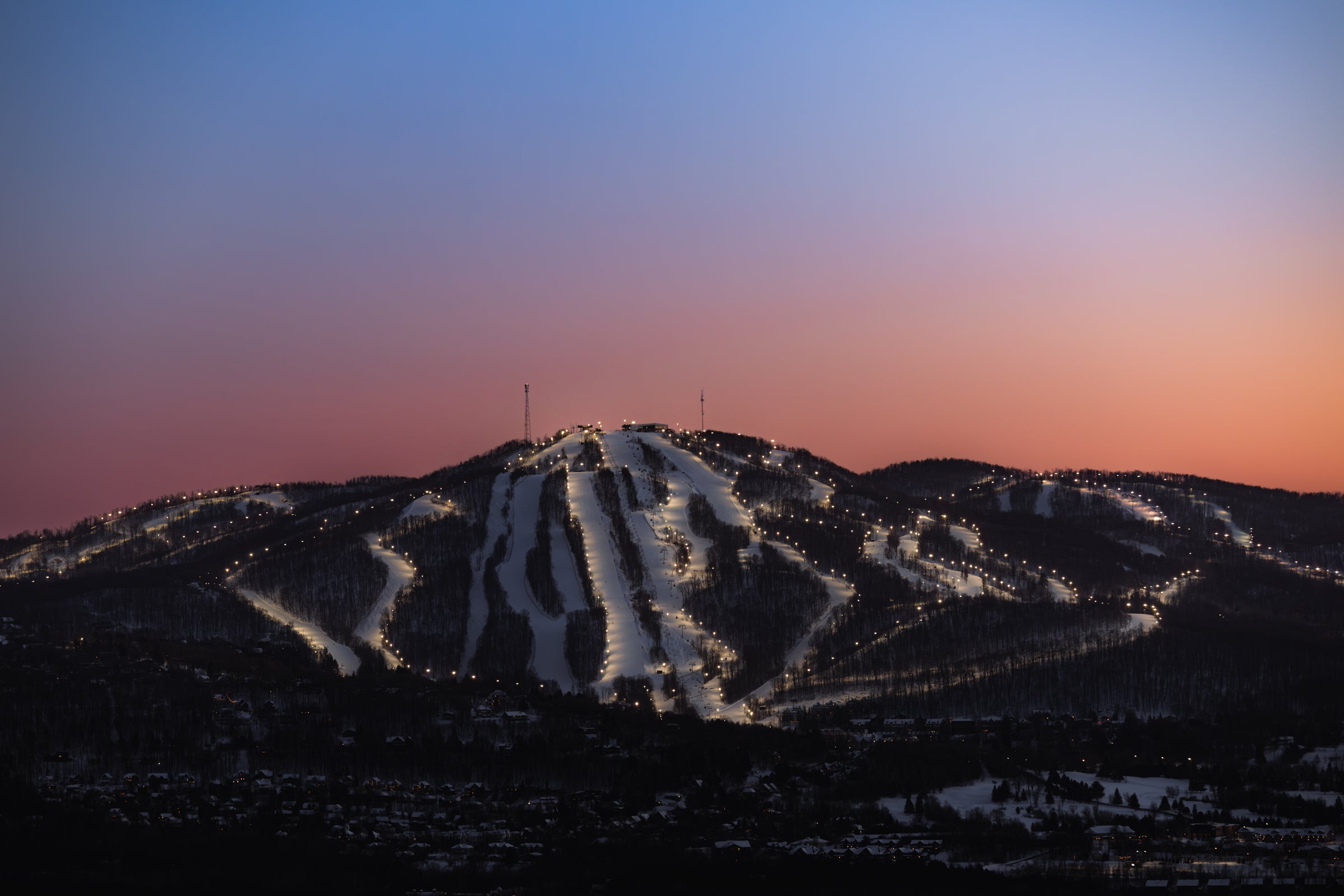
One of the most prominent examples of a resort embracing and excelling in the night skiing experience is Ski Bromont in Quebec, Canada. Located approximately an hour east of Montreal in the picturesque Eastern Townships, Bromont has strategically positioned itself as North America’s largest night ski area. The resort boasts an impressive commitment to nocturnal operations, offering roughly 100 trails illuminated for skiing past 9 p.m. every night throughout the season. This extensive network of lit runs provides an unparalleled variety for evening skiers, from gentle beginner slopes to challenging expert terrain.
Bromont’s dedication to night skiing culminates in its highly anticipated Nuits Blanches events, during which lifts operate until a remarkable 1 a.m. These extended sessions transform the mountain into a vibrant nocturnal playground, drawing significant crowds and creating a festive, communal atmosphere. The resort’s ability to maintain such extensive operations is a testament to meticulous planning, substantial infrastructure investment, and a deep understanding of the unique demands and appeals of night skiing.
The strategic importance of night skiing for Bromont extends beyond mere novelty. It allows the resort to maximize its lift capacity and terrain utilization, distributing skier traffic more evenly across the day and into the evening. For the regional tourism economy, Bromont’s night skiing offering acts as a significant draw, encouraging longer stays and increased spending in local accommodations, restaurants, and ancillary businesses. "Our commitment to night skiing is a cornerstone of our identity," states Martin Tremblay, a hypothetical spokesperson for Ski Bromont. "It allows us to offer a truly unique product that differentiates us in the market and provides exceptional value to our guests, whether they’re coming for a few hours after work or making a weekend trip."
The Distinctive Experience: Sensory Amplification and Practical Benefits
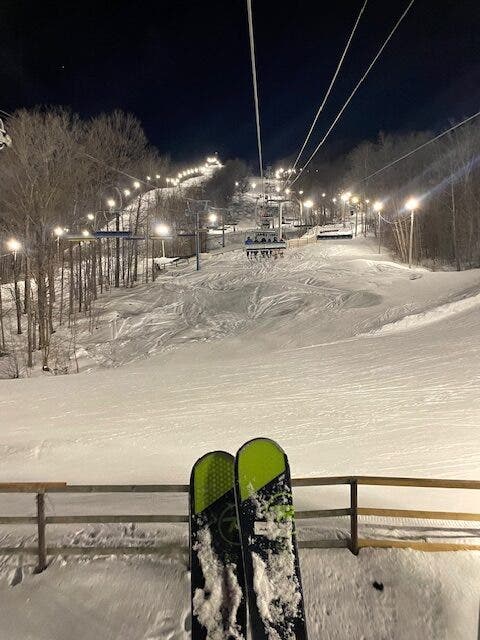
The core appeal of night skiing, as eloquently described in the original article, lies in its ability to "distill the experience to its essence." With fewer distractions and often lighter crowds, skiers can fully immerse themselves in the pure sensation of gliding down snow. The sensory experience is heightened: the rhythmic hum of the chairlift, the crisp crunch of skis on snow, and the quiet swish of air as one carves turns. The world seems to shrink to the immediate illuminated path, creating a tunnel vision that enhances focus and flow.
For many, this less crowded environment translates into practical advantages: shorter lift lines mean more runs, and open trails allow for bigger, more fluid turns without the constant need to navigate around other skiers. This can be particularly appealing for intermediate and advanced skiers looking to refine their technique or simply enjoy uninterrupted speed. Even the journey up the mountain becomes a contemplative experience. "That sense of stillness is more acute at night," the article observes, "especially when you’re riding solo above dark forests of spruce and fir." This meditative quality offers a powerful counterpoint to the rush of the descent.
Challenges and Considerations for Nocturnal Operations
Despite its undeniable charm, night skiing comes with its own set of challenges that both resorts and skiers must address. One of the most immediate concerns is temperature. It gets noticeably colder after dark, often leading to firmer, more unforgiving snow conditions. This requires skiers to be well-prepared with appropriate layering, warm gloves, and a clear pair of goggles to aid visibility in muted light. The original article rightly advises that "having sharp edges is a good idea," as hardpack snow demands greater precision and grip.
Resorts, in turn, must implement robust safety protocols for night operations. This includes comprehensive lighting systems that minimize shadows and adequately illuminate hazards, vigilant ski patrol presence, and clear signage. Grooming practices are also critical, as maintaining smooth, consistent surfaces is essential for safety and enjoyment when visibility is reduced. The energy consumption associated with extensive lighting can also be a significant operational cost and environmental consideration, driving resorts to invest in energy-efficient LED solutions.
Economic and Social Implications
The growth of night skiing carries significant economic and social implications for the ski industry and surrounding communities. From an economic standpoint, it represents an effective strategy for maximizing capital investments in lifts, snowmaking, and lodge facilities. By extending operating hours, resorts can generate additional revenue through lift ticket sales, food and beverage, and gear rentals. This extended operational window can also create more employment opportunities for seasonal workers, contributing to local economies.
For local populations, night skiing provides invaluable access to the sport. Individuals who work during the day can still enjoy several hours on the slopes in the evening, fostering a stronger local ski culture and promoting active lifestyles. This is particularly relevant for smaller, community-focused ski hills like Mount Peter in New York, mentioned in the original article, which rely heavily on local patronage. These operations often become vital community hubs, offering affordable and accessible recreation.
The social impact extends to tourism as well. Resorts like Bromont, with their extensive night skiing offerings, become destination attractions, drawing visitors who specifically seek out this unique experience. This diversifies the tourism product, attracting different types of travelers and encouraging longer stays. The vibrant atmosphere of a busy night ski mountain, often accompanied by music, special events, and dining options, creates a memorable vacation experience that can drive repeat visits and positive word-of-mouth promotion.
Technological Advancements and Future Outlook
The future of night skiing is closely tied to ongoing technological advancements. The continued development of energy-efficient LED lighting systems is crucial, not only for reducing operational costs but also for minimizing the environmental footprint of resort operations. Modern lighting can also be more precisely directed, reducing light pollution while enhancing visibility on the slopes. Innovations in snowmaking technology allow resorts to maintain quality snow surfaces even in challenging conditions, further ensuring a consistent night skiing experience.
Moreover, the integration of digital technologies, such as advanced weather forecasting, real-time trail condition updates via mobile apps, and online booking systems, enhances the overall convenience and safety for night skiers. Resorts are increasingly leveraging social media and digital marketing to promote their night skiing offerings, highlighting the unique ambiance and benefits to a wider audience.
As urban populations grow and lifestyles become increasingly demanding, the appeal of a recreational escape after dark is likely to intensify. Night skiing offers a perfect blend of thrill and tranquility, a chance to reconnect with the visceral joy of the sport while embracing the serene beauty of the winter night. For skiers, it’s about making every precious day on the mountain count, maximizing the fleeting ski season. As the original article concludes, it prompts a shift in perspective: "Never mind those distant horizons. What if it’s all right here in front of you?" This immediate, immersive experience is precisely what secures night skiing’s enduring and growing place in the heart of winter sports.
