

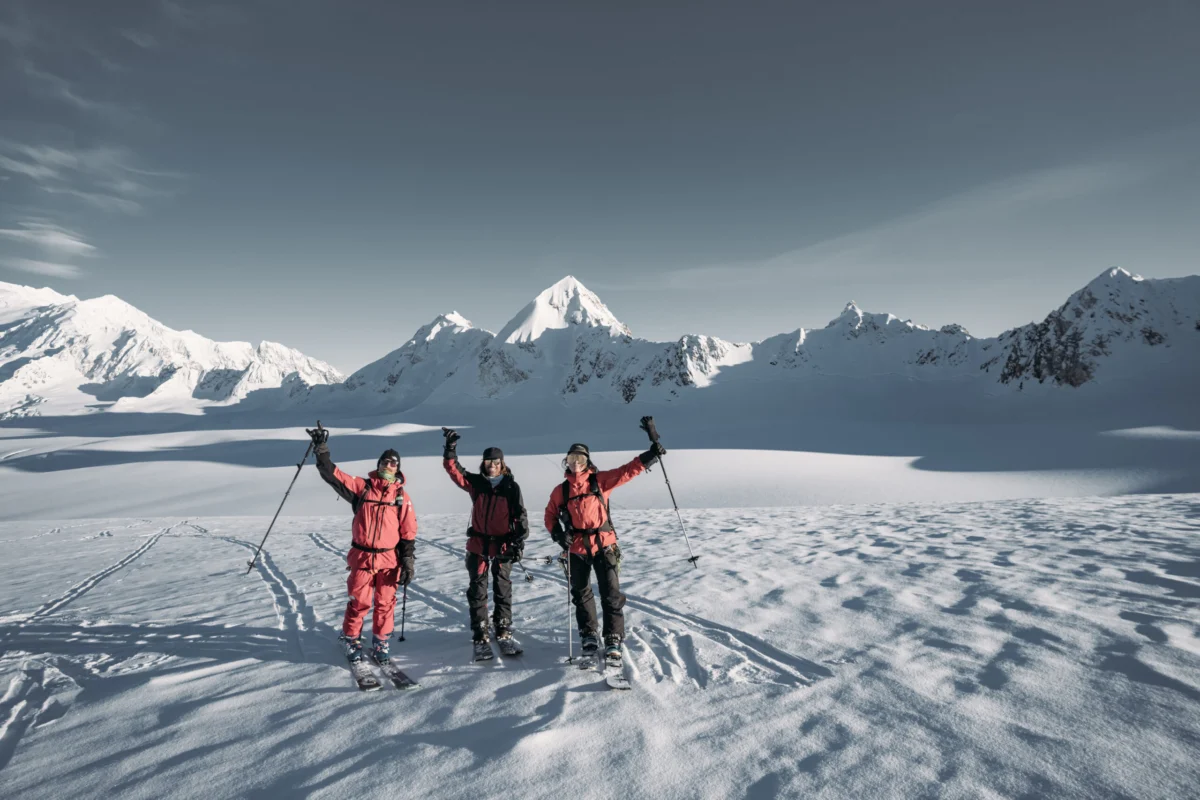
The pursuit of historical artifacts lost to the elements has long captivated explorers, but few missions have carried the logistical complexity and scientific weight of the recent expedition to the Walsh Glacier in Canada’s Yukon Territory. Decades after the legendary mountaineer and cartographer Bradford Washburn was forced to abandon a massive cache of equipment during a survival-driven descent from Mount Lucania, a modern team of professional athletes, filmmakers, and glaciologists has successfully navigated one of the most volatile environments on Earth to bridge the gap between 1937 and the present day. This journey, documented in the upcoming film "The Lost Cache," serves as both a tribute to the golden age of mountaineering and a stark case study in the rapid transformation of the cryosphere under the pressure of global climate change.
The 1937 Expedition: A Struggle for Survival
The origins of the mystery date back to June 1937, when Bradford Washburn and Robert Bates set out to achieve the first ascent of the 17,147-foot Mount Lucania, which was at the time the highest unclimbed peak in North America. The expedition was ambitious, relying on the burgeoning technology of bush planes to deposit the climbers and their supplies deep within the Saint Elias Mountains. The veteran pilot Bob Reeve managed to land his ski-equipped Fairchild aircraft on the slushy surface of the Walsh Glacier, but the unseasonably warm temperatures created a perilous situation. After dropping Washburn and Bates, the plane became bogged down in the melting snow, and Reeve barely managed to take off again.
Realizing that a return flight was impossible due to the deteriorating conditions of the glacier’s surface, Washburn and Bates were effectively stranded. They faced a choice: abandon the mission or push forward with a fraction of their supplies and attempt a 150-mile trek through unexplored wilderness to the nearest settlement. Choosing the latter, the duo ascended Mount Lucania and its neighbor, Mount Steele, before embarking on a grueling journey to Burwash Landing. To make the trek possible, they were forced to leave behind more than 1,000 pounds of gear, including specialized mountaineering equipment, heavy camping supplies, and Washburn’s prized Fairchild F-8 aerial camera—a massive instrument used for the high-altitude photography that would later make him world-famous.
The Catalyst: From Literature to Field Research
For over eight decades, the "Washburn Cache" remained a footnote in mountaineering history, buried under layers of seasonal snowfall and carried slowly downward by the relentless movement of the Walsh Glacier. The story resurfaced in the consciousness of the modern outdoor community when Griffin Post, a professional skier and member of the Protect Our Winters (POW) Athlete Alliance, encountered the details in David Roberts’ 2002 book, Escape from Lucania.
Post’s fascination with the abandoned gear was rooted in the historical significance of the items, particularly the Fairchild F-8 camera. Washburn, who died in 2007, was not only a climber but a pioneer in the use of aerial photography for cartography, and the camera represented a vital piece of the technological heritage of North American exploration. Post began an exhaustive research phase, cross-referencing Washburn’s original journals, archival photographs from the Museum of Science in Boston, and historical maps from the University of Alaska Fairbanks.
The primary challenge was not merely locating the 1937 campsite, but determining where that campsite would be in the 21st century. Glaciers are not static features; they are "rivers of ice" that move according to gravity and internal deformation. To solve this spatial puzzle, Post sought the expertise of the scientific community, eventually partnering with the University of Ottawa’s glaciology department.
The Science of Glacial Movement and Surging
The Walsh Glacier is a complex system located within Kluane National Park and Reserve, a UNESCO World Heritage site known for its massive icefields. Understanding the movement of this specific glacier required the team to account for a phenomenon known as "glacial surging." Unlike typical glaciers that move at a relatively steady pace, surging glaciers undergo periodic cycles where they accelerate to speeds ten to one hundred times faster than normal.
Dora Medrzycka, a glaciologist from the University of Ottawa, played a critical role in calculating the cache’s probable location. The Walsh Glacier typically moves at a rate of approximately one foot per day. However, historical data indicated that the glacier had undergone several surge events since 1937, during which the ice could travel up to 50 feet per day.
By analyzing satellite imagery and historical records of the glacier’s terminal position, Medrzycka and her team estimated that the gear had likely traveled several miles from its original coordinates. The margin for error was significant; a slight miscalculation in the duration or intensity of a surge could place the search area miles away from the actual location. Furthermore, the vertical movement of the ice—the process of burial by snow and eventual resurfacing through ablation (melting)—added another layer of complexity.
Field Operations and the Impact of Climate Change
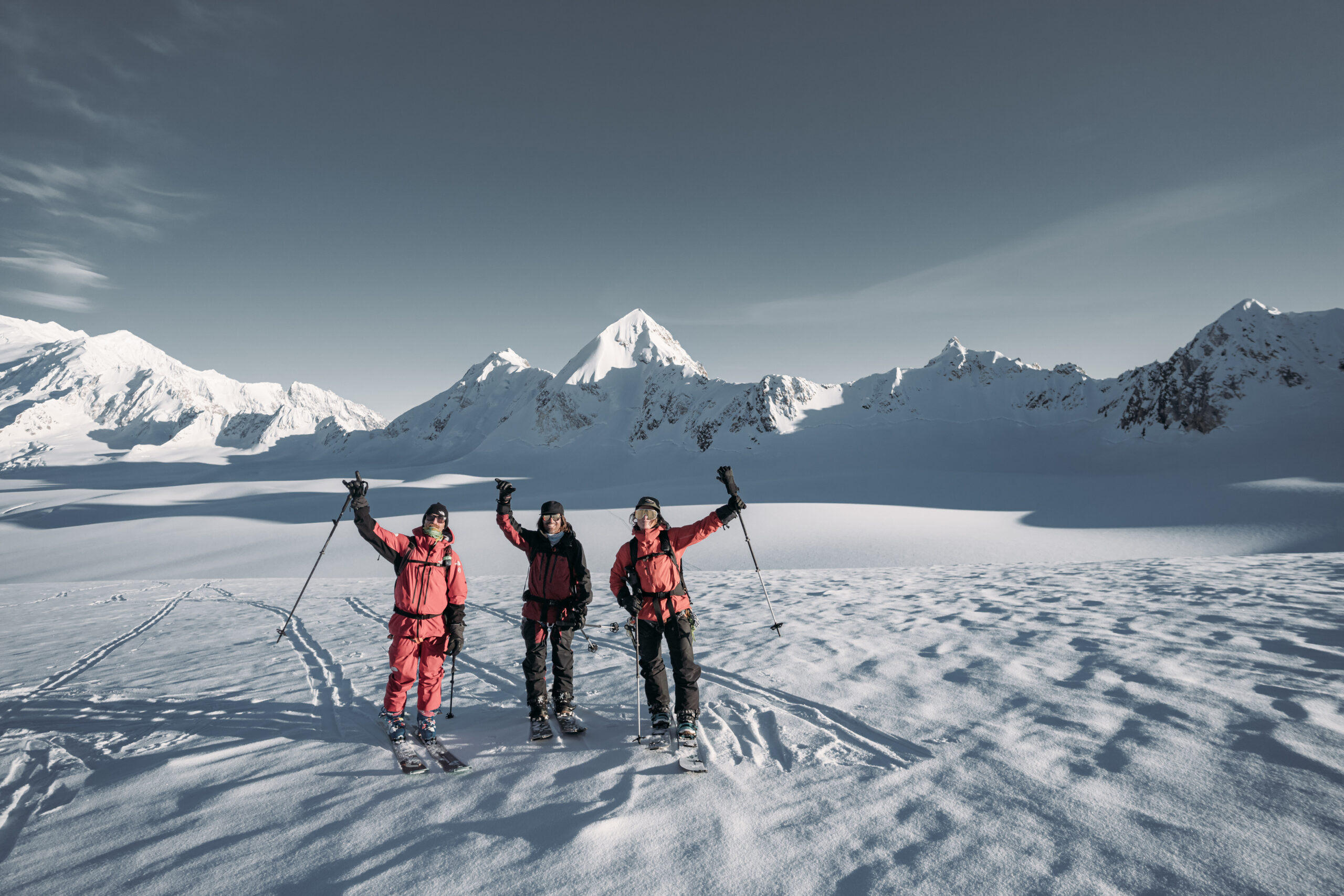
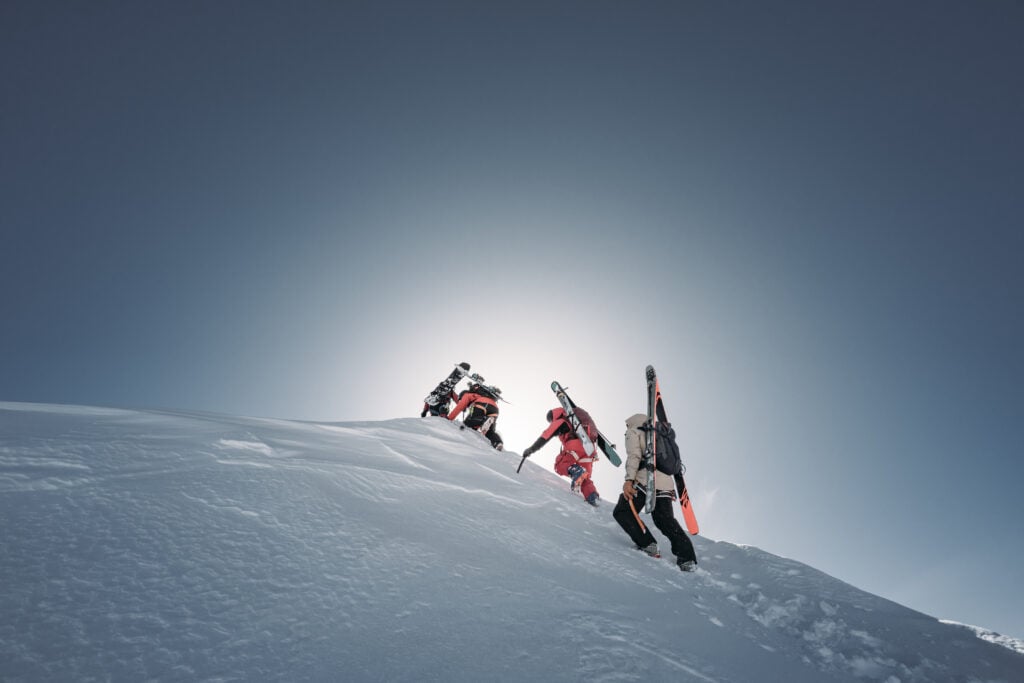
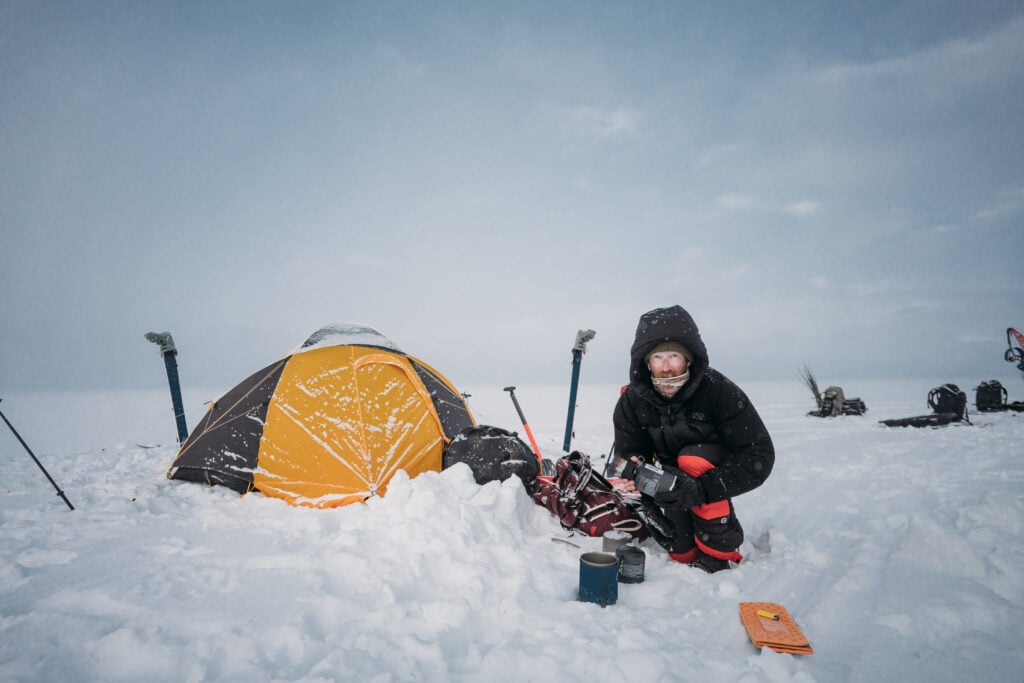
The expedition, supported by Teton Gravity Research (TGR) and the POW Advocacy & Adventure Alliance, conducted three separate trips to the Walsh Glacier starting in the spring of 2022. The team faced the harsh realities of modern Arctic environments, where traditional landmarks have been erased by the thinning of the ice.
"You can’t tell this story without factoring in how climate change has shaped this environment," Post noted during the production. The Saint Elias Mountains are experiencing some of the most rapid glacial thinning on the planet. As the glaciers melt, the internal structure of the ice changes, creating dangerous crevasse fields and making traditional travel more hazardous. Ironically, it is this very melting that makes the recovery of such caches possible. As the surface ice ablates, objects that were once buried deep within the glacier are "exhumed" and brought to the surface.
The team utilized a combination of high-tech tools and traditional "ground-truthing" methods. They employed drones for aerial reconnaissance and GPS-linked mapping software to grid the search area. The search was a race against time and the elements, as the shifting ice could easily swallow artifacts or crush them beyond recognition.
Findings and Archaeological Significance
While the film "The Lost Cache" maintains a degree of suspense regarding the final tally of recovered items, the expedition has been confirmed as a landmark success in the field of glacial archaeology. The recovery of portions of the Fairchild F-8 camera and other 1930s-era equipment provides a rare look at the durability of early 20th-century materials.
Parks Canada, the federal agency responsible for managing Kluane National Park, provided the necessary permits for the recovery, acknowledging the cultural and historical value of the artifacts. Under Canadian law, such items are protected, and the recovery process must be handled with scientific rigor to ensure that the historical context is preserved. The recovered artifacts are expected to undergo conservation treatment to stabilize them after 85 years of exposure to sub-zero temperatures and crushing ice pressure.
The discovery also provides glaciologists with a "known marker" to calibrate models of glacial movement. By knowing exactly when and where the items were deposited and where they were found, researchers can calculate the average velocity of the Walsh Glacier with unprecedented accuracy, providing data that will help predict how these ice masses will respond to future warming.
Broader Implications and Cultural Legacy
The premiere of "The Lost Cache" at the Coast Film Festival and the Banff Centre Mountain Film Festival marks a significant moment for the outdoor film industry. It signals a shift from purely athletic "ski porn" toward narrative-driven documentaries that integrate history, science, and environmental advocacy.
For the Protect Our Winters (POW) organization, the project is a powerful tool for climate communication. By showcasing the physical changes in the Yukon’s landscape over the span of a single human lifetime—from Washburn’s 1937 expedition to the present—the film provides a tangible visual record of the retreating "frozen world."
The legacy of Bradford Washburn continues to loom large over the project. As a man who dedicated his life to the precise measurement and documentation of the mountains, Washburn likely would have appreciated the scientific methodology used to relocate his lost equipment. The mission represents a full circle in the history of exploration: a quest fueled by a 20th-century mystery, solved by 21st-century technology, and framed by the urgent environmental challenges of the modern era.
As the film prepares for its international debut, it stands as a testament to the persistence of human curiosity. Whether driven by the desire to recover a piece of history or the need to understand the changing climate, the journey to the Walsh Glacier proves that even in the most remote corners of the globe, the past is never truly lost—it is merely waiting for the ice to move.
