

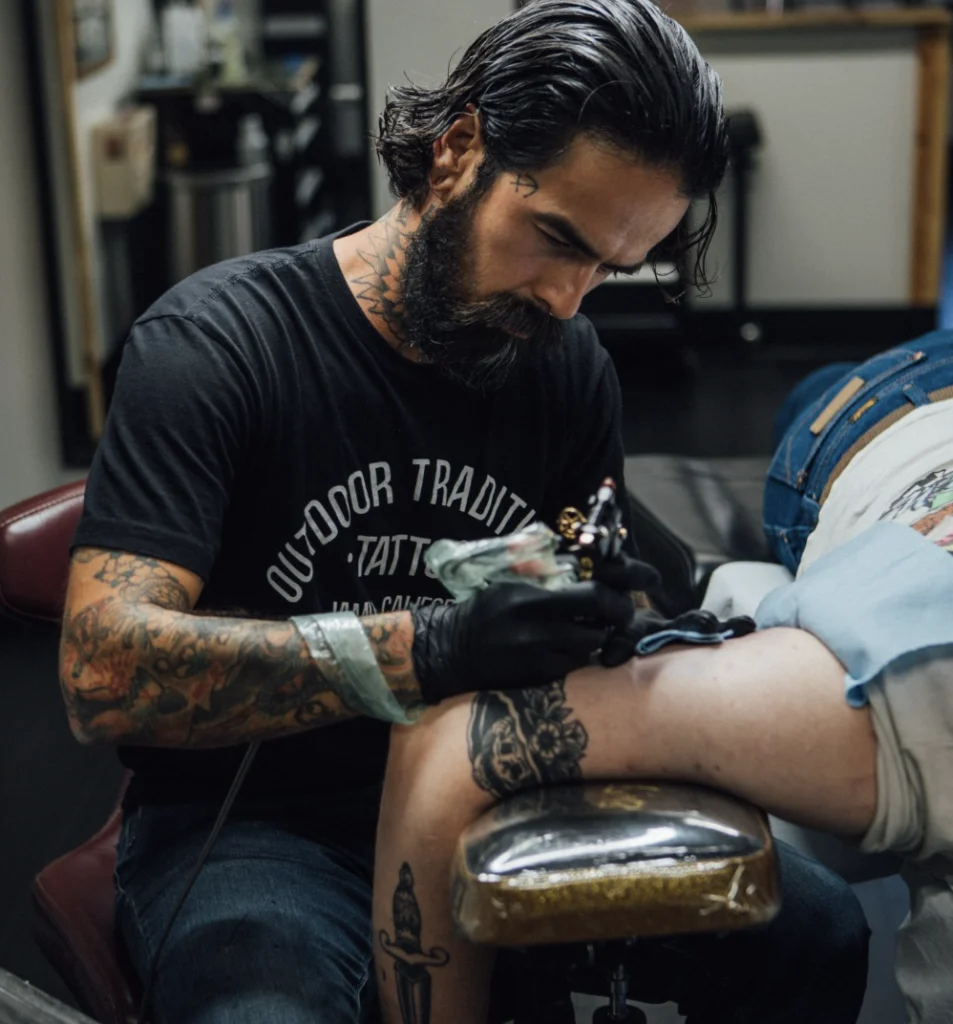
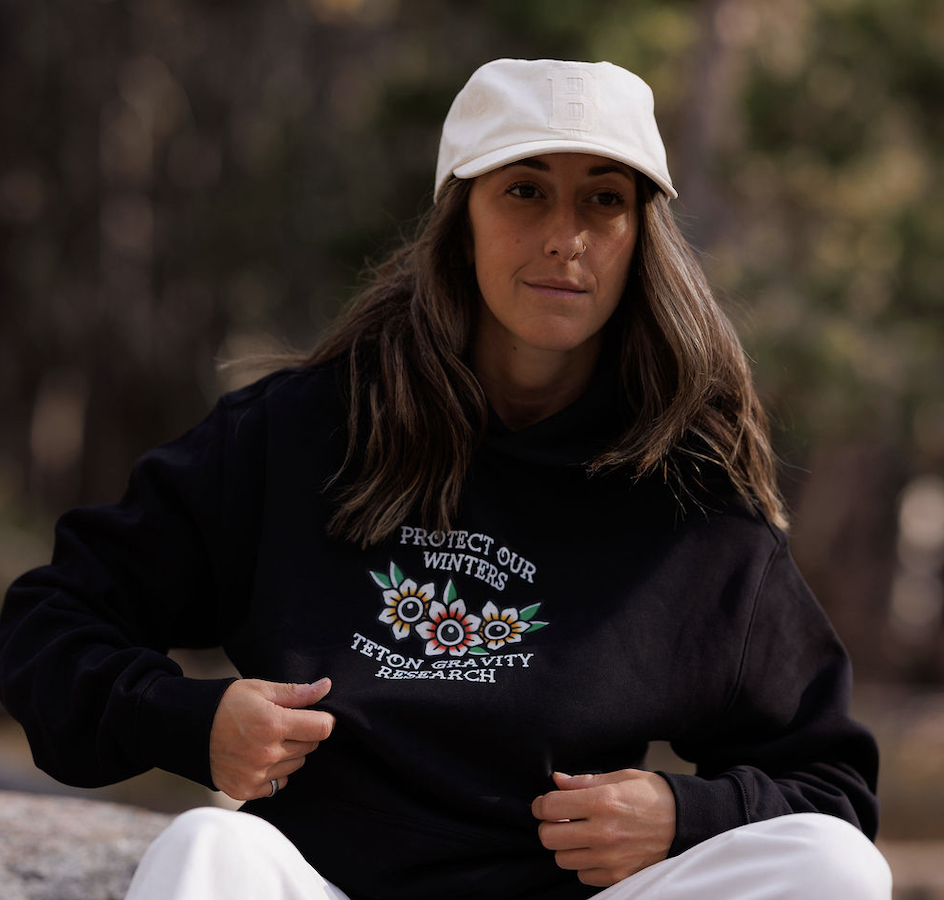
The intersection of traditional craftsmanship and environmental activism has reached a new milestone with the announcement of a collaborative partnership between tattoo artist Angel Lopez, the climate advocacy group Protect Our Winters (POW), and the action sports media powerhouse Teton Gravity Research (TGR). This initiative introduces a specialized merchandise collection designed by Lopez, a member of the POW Creative Alliance, with a structured financial model intended to support climate policy and outdoor conservation. Under the terms of the partnership, TGR has committed to donating 10% of all sales from the collection directly to POW, bolstering the organization’s efforts to mobilize the outdoor community against the systemic threats of climate change.
Angel Lopez, originally from Tijuana, Mexico, has spent his career establishing a unique niche that blends the precision of tattoo artistry with a lifelong commitment to outdoor recreation. Now based in California, Lopez’s work is heavily influenced by his experiences as a climber, mountain biker, and skateboarder. His involvement with the POW Creative Alliance—a group of photographers, filmmakers, and artists dedicated to climate communication—marks a significant shift in how environmental organizations utilize creative talent to reach diverse demographics.
A Multifaceted Approach to Environmental Philanthropy
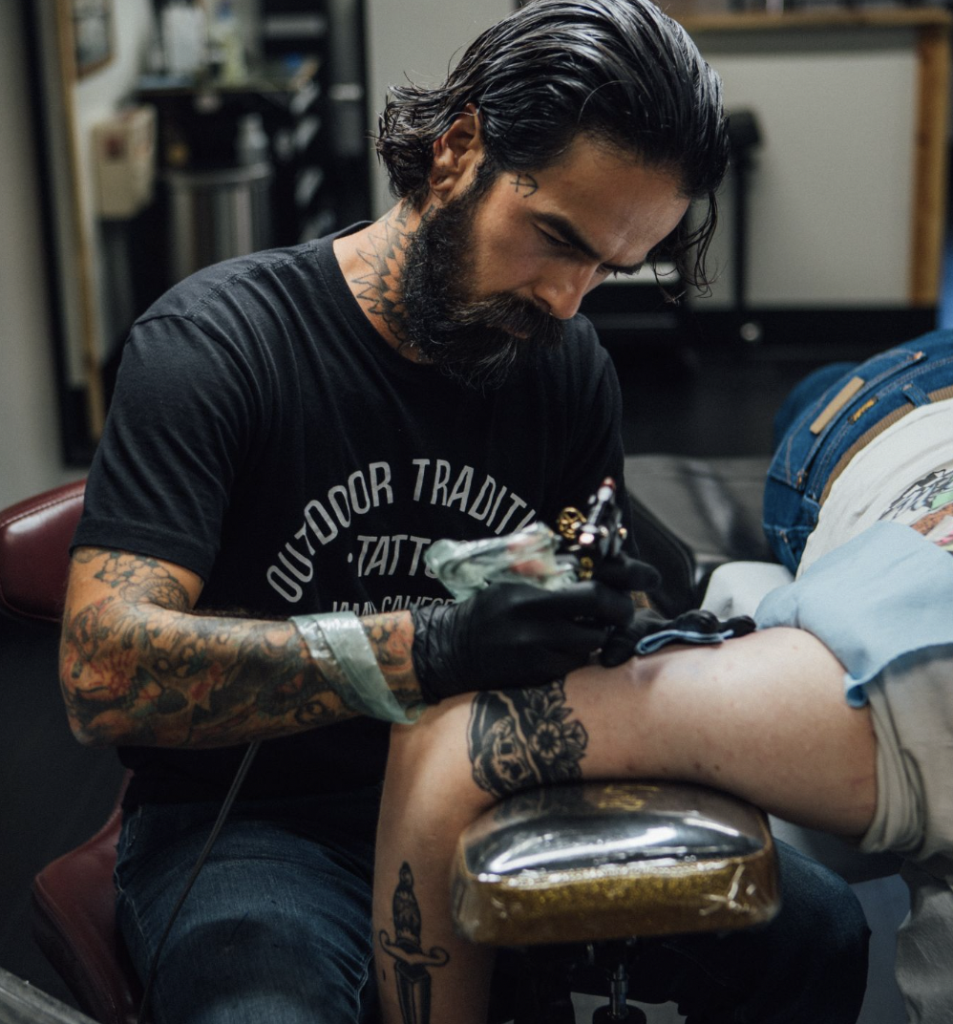
The collaboration is not merely a branding exercise but a continuation of Lopez’s long-standing business model, which integrates social and environmental responsibility into the economics of his craft. For over 16 years, Lopez has functioned as a vocal advocate within the climbing and outdoor communities. Unlike traditional advocacy, which often relies on volunteerism, Lopez has institutionalized his support by donating between 20% and 50% of his tattoo proceeds to various non-profit organizations. These beneficiaries include the Access Fund, which focuses on protecting climbing areas, local mountain biking associations, and Protect Our Winters.
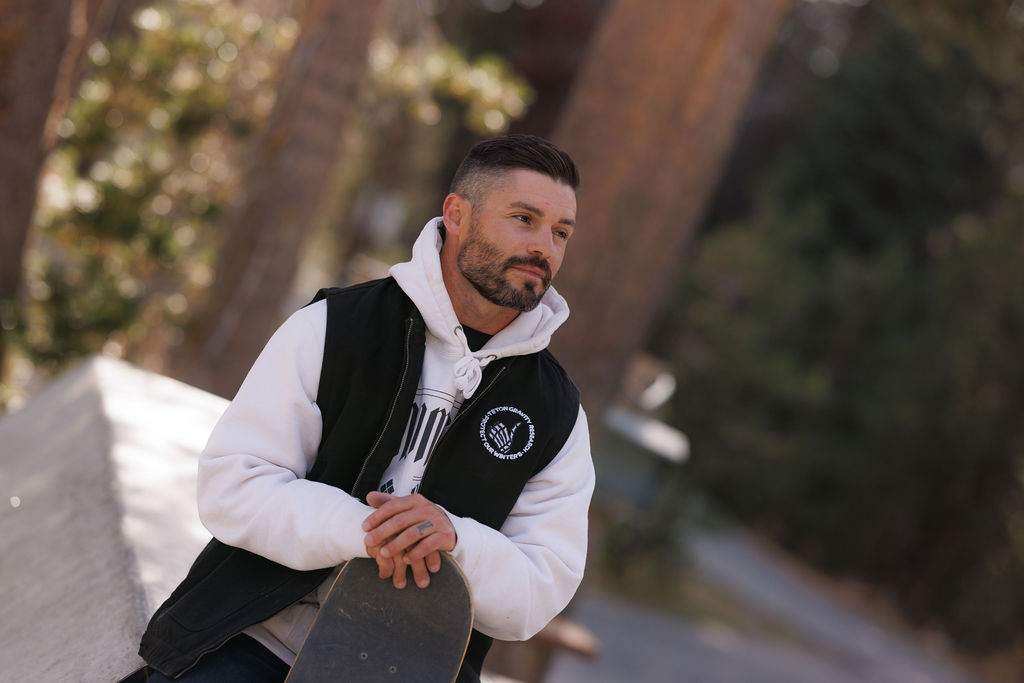
This philanthropic strategy reflects a broader trend within the outdoor industry where individual creators and small business owners leverage their professional output to fund systemic change. By transforming physical body art into a vehicle for financial support, Lopez provides a tangible link between the aesthetic appreciation of nature and the practical costs of its preservation. The new POW x TGR collection extends this philosophy to apparel, allowing consumers to participate in a circular economy of advocacy where a portion of every purchase is redirected toward legislative and educational initiatives.
The Role of Protect Our Winters and the Creative Alliance
Protect Our Winters, founded in 2007 by professional snowboarder Jeremy Jones, has evolved into one of the most influential climate advocacy groups in the United States. The organization focuses on the "Outdoor State"—a demographic of over 50 million outdoor enthusiasts who represent a significant economic and political force. According to data from the Bureau of Economic Analysis (BEA), the outdoor recreation economy accounts for approximately $1.1 trillion in annual economic output, or roughly 2.2% of the U.S. Gross Domestic Product (GDP). POW aims to harness this economic weight to influence climate policy at the federal and state levels.
The Creative Alliance, to which Angel Lopez belongs, serves as the communication arm of this movement. While POW’s Athlete Alliance utilizes the visibility of professional sports figures, the Creative Alliance focuses on the cultural and emotional narratives of environmentalism. The inclusion of a tattoo artist in this cohort highlights the expanding definition of the "outdoor community." It acknowledges that the protection of wild spaces is a cause that resonates as much in a metropolitan tattoo studio as it does on a remote mountain peak.
Chronology of Advocacy and the 2020 Strategic Pivot
The trajectory of Lopez’s advocacy took a definitive turn during the global events of 2020. The COVID-19 pandemic necessitated the temporary closure of tattoo parlors and other high-contact businesses, creating an unprecedented economic challenge for independent artists. Simultaneously, public health mandates led to a massive surge in outdoor recreation as individuals sought safe ways to maintain physical and mental health.
During this period, Lopez transitioned his focus toward local trail systems. In San Diego, he launched a tattoo flash event specifically designed to support local mountain bike community groups. This event served as a pilot for the type of community-based fundraising that defines his current work. The lessons learned during the pandemic—specifically the necessity of resilience and the importance of protecting local infrastructure—informed the design language of the new POW x TGR collection. The "modern classics" featured in the line are intended to evoke the durability and timelessness of both traditional tattoos and the natural landscapes they depict.
Teton Gravity Research and the Media Influence
The involvement of Teton Gravity Research (TGR) provides the collaboration with a global platform. Founded in 1995 by Steve and Todd Jones, TGR has spent nearly three decades documenting the world’s most extreme environments through film and digital media. The company’s influence in the skiing, snowboarding, and mountain biking sectors is substantial, making them a critical partner for disseminating the message of climate urgency.
TGR’s decision to donate 10% of sales to POW is part of a larger corporate responsibility framework that recognizes the vulnerability of the winter sports industry. Scientific data from the National Oceanic and Atmospheric Administration (NOAA) and other climate research bodies indicate a significant trend toward shorter winters and declining snowpacks in key mountainous regions. For a company built on the celebration of winter sports, climate change represents an existential threat to its core subject matter. By partnering with Lopez and POW, TGR is aligning its commercial interests with the long-term sustainability of the environments it films.
Analysis of the Intersection Between Art and Activism
The partnership between Lopez, POW, and TGR illustrates a sophisticated evolution in environmental messaging. Historically, climate advocacy has relied heavily on scientific data and policy-heavy language, which can occasionally alienate broader audiences. The use of art—specifically tattoo-inspired graphics—serves to "humanize" the data.
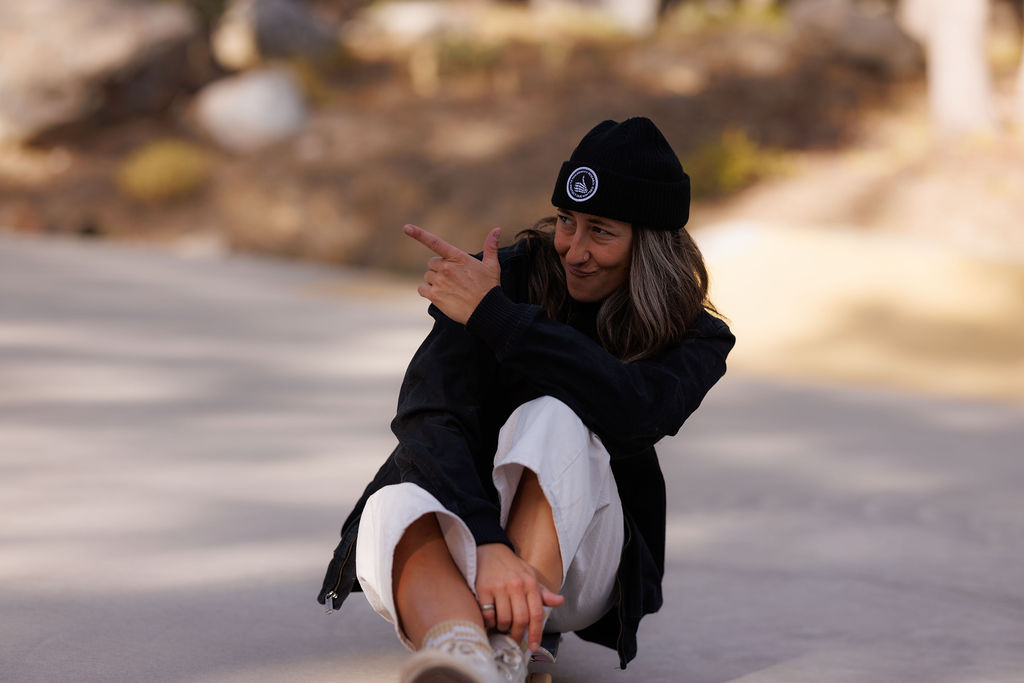
Art provides an entry point for individuals who may not identify as traditional environmentalists but who possess a deep cultural connection to the outdoors. Lopez’s designs for the collection are described as "wearing your heart on your sleeve," a literal and metaphorical reference to the permanence of tattoos and the deeply personal nature of environmental stewardship. This approach shifts the narrative from one of sacrifice and restriction to one of identity and community pride.
Furthermore, the collaboration addresses the "greenwashing" concerns often associated with corporate-nonprofit partnerships. By transparently stating the donation percentage and highlighting the long-term track record of the artist involved, the entities involved establish a level of authenticity. Lopez’s 16-year history of advocacy provides a foundation of credibility that a standard celebrity endorsement might lack.
Broader Implications for the Outdoor Industry
The success of the POW x TGR x Angel Lopez collection may serve as a template for future collaborations within the outdoor and creative industries. As the effects of climate change become more pronounced, the demand for "purpose-driven" products is expected to rise. According to consumer trend reports, younger demographics, particularly Gen Z and Millennials, are increasingly prioritizing sustainability and social impact in their purchasing decisions.
This shift suggests that the future of the outdoor industry lies in its ability to integrate advocacy into every facet of its operations—from supply chains and product design to marketing and community engagement. The inclusion of diverse voices, such as a Mexican-born artist working in a traditionally urban medium like tattooing, also signals an effort to make the outdoor movement more inclusive and representative of the actual population that utilizes public lands.
Conclusion and Future Outlook
The collaboration officially launched with the availability of the merchandise on the Protect Our Winters and Teton Gravity Research digital platforms. As the collection reaches consumers, the focus will shift toward the measurable impact of the funds raised. These proceeds are slated to support POW’s ongoing non-partisan efforts to advocate for renewable energy transitions, electric vehicle infrastructure, and the protection of public lands.
In the broader context of the climate crisis, individual projects like the POW x TGR collection represent small but vital components of a larger strategy. By leveraging the cultural capital of artists like Angel Lopez and the media reach of TGR, Protect Our Winters continues to expand the "Outdoor State," ensuring that the voices of climbers, bikers, and artists are heard in the halls of power. The initiative serves as a reminder that the tools for change are as varied as the community itself, ranging from policy lobbying in Washington, D.C., to the meticulous work of a tattoo needle in a California studio.
