

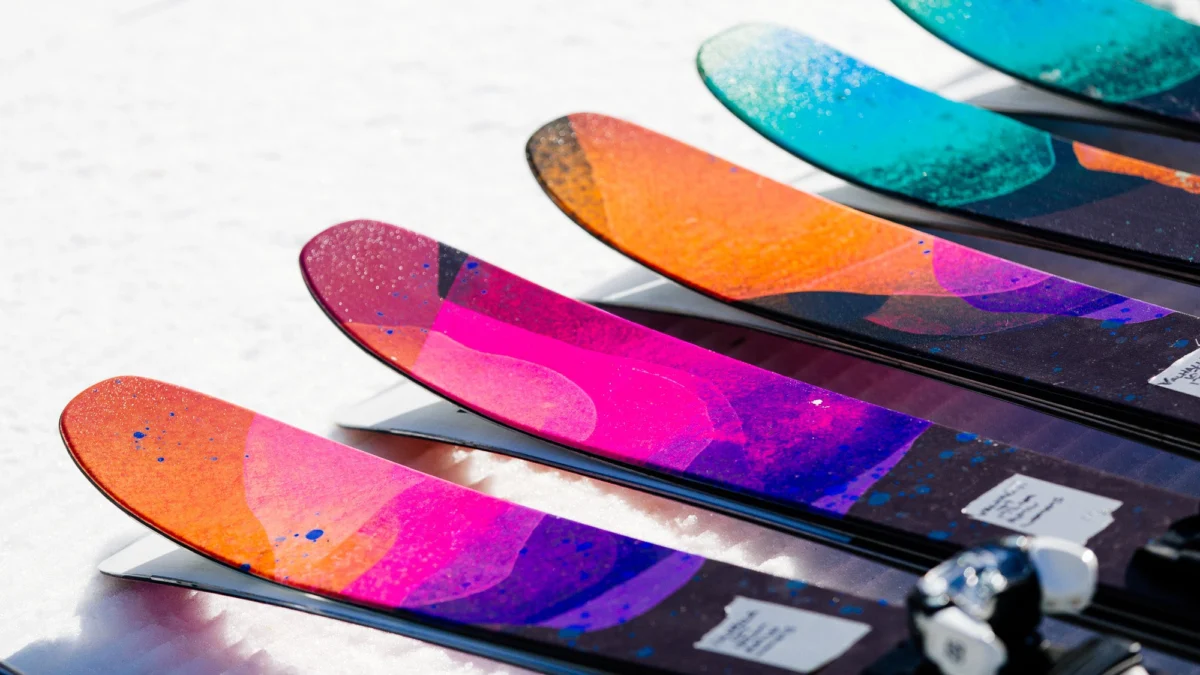
The ski industry is currently navigating a significant shift in its approach to equipment design and marketing, particularly concerning skis traditionally categorized as "women’s specific." For decades, these skis represented the industry’s attempt to acknowledge and cater to female skiers, with varying degrees of success—ranging from thoughtfully engineered models to those merely differentiated by aesthetics or reduced sizing. However, a growing number of prominent ski brands are now consciously moving away from the "women’s specific" category, opting instead for a "unisex" or "gender-neutral" design philosophy. This pivot, often framed as a move towards greater inclusivity by focusing on ability, size, and skiing style rather than biological sex, has sparked a complex debate within the skiing community, raising questions about whether this evolution truly serves the diverse needs of all skiers or risks compromising optimal performance for a significant demographic.
Historical Context: The Evolution of Women’s Ski Design
The concept of skis designed specifically for women is not new, though its implementation has evolved considerably over time. In the early days of skiing, equipment was largely generic, with little differentiation based on skier demographics beyond size. As the sport grew in popularity and technology advanced through the mid to late 20th century, manufacturers began to recognize the need for diversification. The first attempts at "women’s skis" often involved simply taking men’s models, shortening them, and adding lighter graphics, sometimes earning the derisive moniker "shrink it and pink it." This approach, while well-intentioned in identifying a market segment, frequently failed to address fundamental physiological differences that impact ski performance.
By the late 1990s and early 2000s, a more sophisticated understanding began to emerge. Brands started investing in research and development to engineer skis that genuinely considered women’s unique biomechanics. This era saw the introduction of features like lighter core materials, forward-mounted binding positions to accommodate a lower center of gravity, and flex patterns designed to be more forgiving yet responsive to less overall muscle mass. The goal was to create skis that were easier to turn, less fatiguing, and more enjoyable for the average female skier, enabling better progression and confidence on the slopes. Brands like Blizzard with their Black Pearl series, as noted, became pioneers and continued to refine their women-specific lines, achieving significant market success and critical acclaim for performance. These advancements moved beyond superficial changes, demonstrating that thoughtful engineering could indeed provide a distinct advantage.
The Rise of the ‘Unisex’ Paradigm and the Inclusivity Argument
The current trend towards "unisex" skis is largely driven by a contemporary understanding of inclusivity and a desire to move beyond binary gender classifications in product design. Proponents of this approach argue that categorizing skis by gender is an outdated and potentially exclusionary practice. They contend that a skier’s ability level, body weight, height, skiing style (e.g., aggressive, playful, carving-focused), and preferred terrain are far more critical determinants of appropriate ski choice than their biological sex.
Manufacturers adopting this model emphasize designing a broader range of skis with varying stiffnesses, widths, and lengths within each model line. The idea is that any skier, regardless of gender, can find an optimal ski by matching their individual attributes and preferences to the ski’s technical specifications. This perspective aligns with broader societal shifts towards gender-neutral language and product design across various industries, aiming to ensure that all individuals feel represented and catered to. The argument posits that focusing on universal design principles—creating excellent skis that perform well for a diverse spectrum of users—is inherently more inclusive than segmenting the market by gender.
Physiological Realities: The Performance Debate
Despite the compelling arguments for inclusivity, the pivot to "unisex" skis has ignited a robust debate concerning actual on-snow performance, particularly for the vast majority of female skiers. This discussion often centers on fundamental physiological differences between the average male and female body, which, according to many ski designers and sports scientists, have direct implications for how a ski should be constructed and ridden.
A study conducted for the military, for instance, highlighted significant average differences in skeletal muscle mass and strength. Women, on average, possess approximately 26 pounds less skeletal muscle mass than men and exhibit about 33 percent less lower-body strength. Furthermore, at comparable heights, men typically weigh between 12 to 26 pounds more than women. While women often demonstrate superior strength-to-weight ratios, greater endurance, and other athletic advantages, these average differences in absolute strength and weight are critical factors in ski dynamics.
Skiing is a sport that demands significant force application to initiate turns, hold an edge, and absorb terrain variations. A ski’s flex pattern, torsional rigidity, and overall weight are meticulously engineered to respond to the forces exerted by the skier. If a ski is designed for an average male’s strength and weight, it may feel overly stiff, unresponsive, or difficult to control for an average female skier. The forces required to properly bend the ski into a turn or engage its full edge might simply exceed what many women can comfortably and consistently generate, leading to increased fatigue and a diminished skiing experience.
The Pitfalls of Simplified Solutions: The ‘Shorter Ski’ Misconception
One common, yet often misguided, solution proposed for female skiers in a "unisex" paradigm is to simply recommend a shorter ski. While shorter skis are generally easier to turn, this simplification overlooks crucial aspects of ski performance. Shorter skis inherently offer less stability at speed, making them prone to feeling "squirrelly" or unstable on groomed runs, especially when pushing limits. They also provide less flotation in powder, reduced edge hold on firm snow, and can feel nervous and unpredictable in variable terrain or challenging conditions like crud or moguls.
For beginner and intermediate female skiers, who often require the most confidence-inspiring equipment to progress, being "fed tragically short skis" by ill-informed sales staff can be particularly detrimental. This practice can lead to a frustrating experience, hindering skill development and enjoyment. A shorter ski that lacks appropriate engineering for a skier’s specific needs can undermine stability and control, precisely what less experienced skiers need most to build confidence and refine technique. The length of a ski is just one variable; its internal construction, flex, and overall geometry are equally, if not more, important.
Engineering for Finesse vs. Brute Force
True women’s specific skis, as developed by brands committed to the category, are engineered with a nuanced understanding of these physiological realities. Instead of simply being shorter or softer versions of men’s skis, they are designed to prioritize finesse and responsiveness over brute force. Key engineering distinctions often include:
- Optimized Flex Patterns: A softer flex in specific areas (e.g., tip and tail) allows for easier turn initiation and release, while maintaining sufficient stiffness underfoot for edge hold. This enables skiers with less muscle mass to effectively engage the ski.
- Reduced Swing Weight: Achieved through strategic material distribution and lighter core components in the tips and tails. A lower swing weight makes the ski feel lighter and more maneuverable, reducing fatigue and making it easier to pivot and control, especially in tight spaces or challenging terrain.
- Strategic Use of Metal (e.g., Titanal): While metal laminates (like Titanal) add stability and dampness, full sheets can make a ski overly stiff for many women. Women’s specific designs often incorporate metal strategically—for example, a narrower sheet, a shorter length, or cut-outs—to provide dampening and power where it’s most beneficial without making the ski overly demanding. This ensures a smooth, stable ride without requiring excessive force to flex the ski.
- Enhanced Rebound and Energy: Designs often aim for a livelier feel, providing more "pop" and energy out of turns. This helps conserve energy and makes the skiing experience more dynamic and fun, even at moderate speeds.
- Forward-Mounted Binding Positions: While not universal, some women’s specific designs place the binding slightly forward to better align with a woman’s average lower center of gravity, potentially enhancing balance and turn initiation.
These design elements collectively result in skis that "listen to input, respond accordingly, and appreciate subtleties," allowing a skier to drive the ski effectively without needing to overpower it. This translates to a more enjoyable, less fatiguing experience that fosters confidence and allows for better technique development, even at longer, more stable lengths appropriate for speed and varied conditions. For expert female skiers, these finely tuned designs can still "rip," offering precision and power that complements their refined technique.
Market Implications and Consumer Choice
The industry’s shift away from women’s specific categories has significant market implications. While the intention is to simplify choice and promote inclusivity, there is a risk of reducing the availability of truly optimized equipment for a substantial segment of the skiing population. If manufacturers cease dedicated R&D for women’s biomechanics, the market might become saturated with "unisex" skis that, by attempting to cater to everyone, may not optimally serve anyone.
Retailers will also face new challenges. Sales associates, traditionally trained to guide customers based on gender, ability, and desired terrain, will need to adapt their approach to focus even more heavily on nuanced discussions about individual body type, strength, and skiing style. This requires a deeper understanding of ski construction and how different design elements interact with diverse physiological attributes. Without proper guidance, consumers may struggle to navigate a broader "unisex" catalog to find a truly appropriate ski.
Furthermore, the disappearance of a distinct "women’s" category could diminish brand visibility and marketing efforts specifically targeting female skiers. While inclusivity is paramount, effective marketing often involves connecting with specific demographics. The question remains whether a "gender-neutral" approach can maintain the engagement and sense of community that women’s specific initiatives once fostered.
The Path Forward: Nuance and Data-Driven Design
The debate surrounding "unisex" versus "women’s specific" skis is not merely a matter of semantics or marketing; it delves into the core principles of biomechanics, engineering, and the pursuit of optimal athletic performance and enjoyment. While the desire for inclusivity is commendable, it must be balanced with the scientific understanding of physiological differences that impact equipment interaction.
The ideal path forward may lie in a more nuanced approach. Instead of abandoning the valuable insights gained from decades of research into women’s ski design, manufacturers could integrate these learnings into a broader, more sophisticated categorization system. This might involve:
- Performance-Based Segmentation: Skis could be categorized by performance characteristics such as "light and agile," "stable and powerful," or "versatile all-mountain," with a wide range of flexes and construction types within each category.
- Data-Driven Customization: Leveraging advanced fitting technologies and biomechanical data to help skiers, regardless of gender, select skis that precisely match their strength, weight, balance, and skiing style.
- Transparent Engineering: Manufacturers being explicit about the target skier profiles for each model, detailing how core materials, laminates, and geometries are optimized for different body types and force application methods.
Ultimately, the goal of any ski design should be to maximize fun, performance, and safety for the individual skier. While the industry strives for inclusivity, it must ensure that this pursuit does not inadvertently lead to a reduction in tailored, high-performing options for any group. The conversation should evolve beyond binary gender classifications to a more comprehensive understanding of human physiology and how it interacts with equipment, ensuring that every skier can find a ski that truly enhances their experience on the snow. The continued evolution of ski design will undoubtedly require a delicate balance between embracing universal principles and acknowledging the specific needs of diverse individuals within the skiing community.
